Skip to content

Signs and symptoms of hepatitis D

The incubation of hepatitis D lasts for up to 45 days. However, the speed of incubation depends on the extent and severity of any current hepatitis infection. In cases of superinfection, the incubation period can be 21 days or less. During this time, the disease remains asymptomatic, and in 90% of patients, it remains without any distinction to another hepatitis infection. In other words, patients who already have signs and symptoms of hepatitis A or hepatitis B won’t have any new symptoms. However, ongoing hepatitis infection will be more severe and difficult to manage.
Signs and symptoms are similar to other types of hepatitis and include:
1) Jaundice
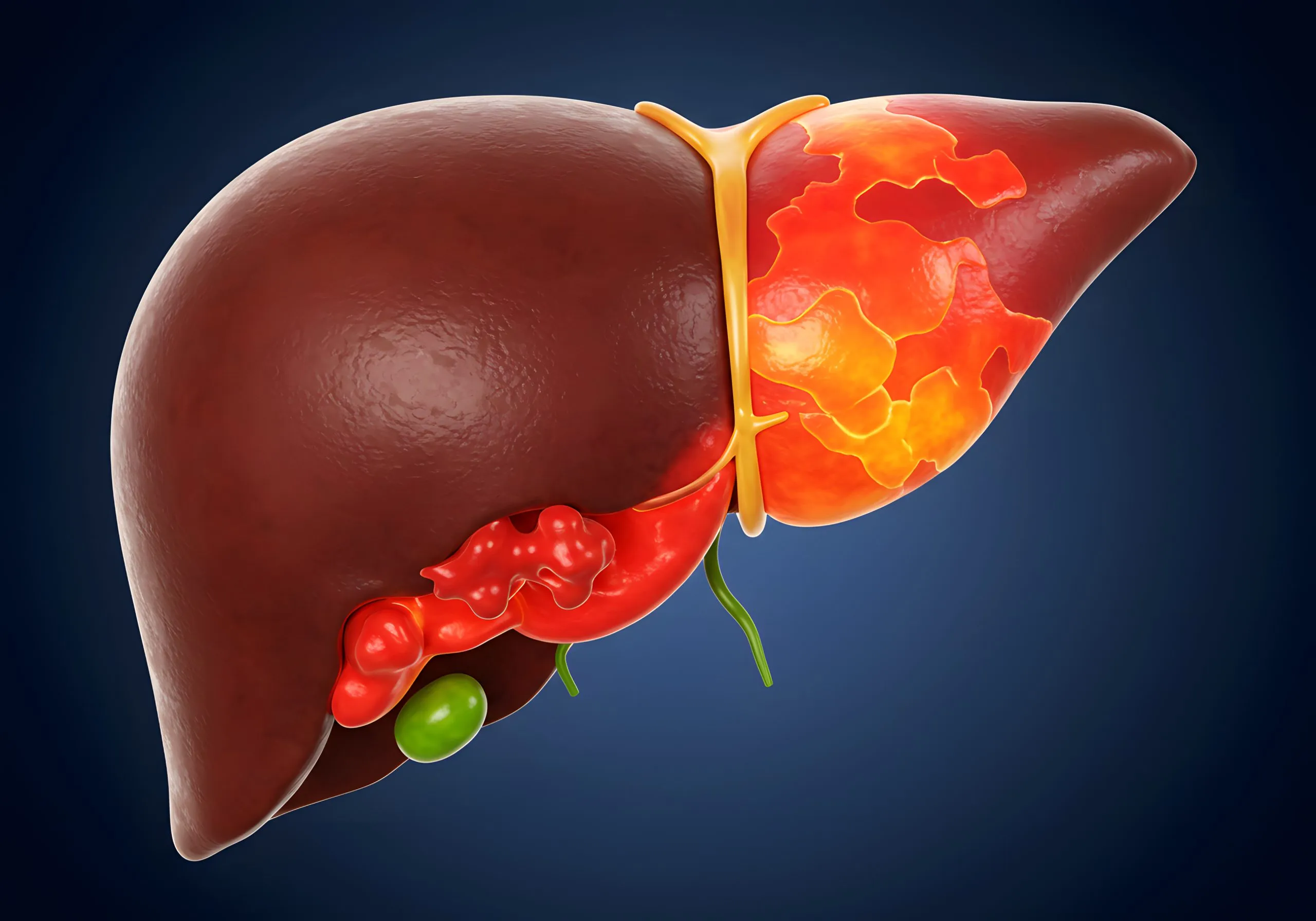
This is a classic sign of hepatitis and other liver conditions. Jaundice is a yellowish coloration of the skin and mucosal membranes that result from the excess bilirubin we can find in the blood.
In normal cases, the liver would clear the blood from bilirubin and use it to create bile. But the organ is no longer working as before, and bilirubin starts to build up. As high-bilirubin blood makes contact with the skin, the excess stays and accumulates in the skin’s inner surface, changing the color of the skin to a yellowish tone.
2) Dark urine
This symptom is also associated with an inadequate elimination of bilirubin by the liver. Since blood is not adequately cleared through hepatic enzymes, the kidneys work as an auxiliary organ to release the excess bilirubin. This substance has a dark yellow or brownish color, and it stains the urine to a darker appearance.
3) Nausea and vomiting
The liver is deeply involved in gastrointestinal function in many ways, and one of them is bile formation, which helps in the digestion of fatty acids. But apparently, hepatitis viruses may also tend to infect cells belonging to the gastrointestinal tract. Moreover, there’s cytokine signaling due to the permanent state of low-grade inflammation. Altogether, these causes contribute to sensations of nausea that usually cause vomiting in these patients, especially in late-stage disease.
4) Abdominal pain
This symptom is also relevant to suspect a case of hepatitis. As noted above, it is found in all types of hepatitis and not only in hepatitis D. Abdominal pain is usually located in the upper right quadrant of the abdomen, right where the liver is located. It is generally described as a dull pain, and its intensity is variable according to the severity of the disease.
5) Fever
In hepatitis D, fever is only apparent during the acute stage of the disease. In chronic hepatitis D, patients do not display an increase in body temperature. It is usually a low-grade fever accompanied by other symptoms listed in this article.
6) Hepatomegaly
It is the medical term to describe a swelling liver, a common finding in imaging tests. In the chronic phase of the disease, and due to cirrhosis as a late-stage complication, the liver starts changing its configuration and may even begin to shrink instead of growing larger.