Skip to content
Jaundice

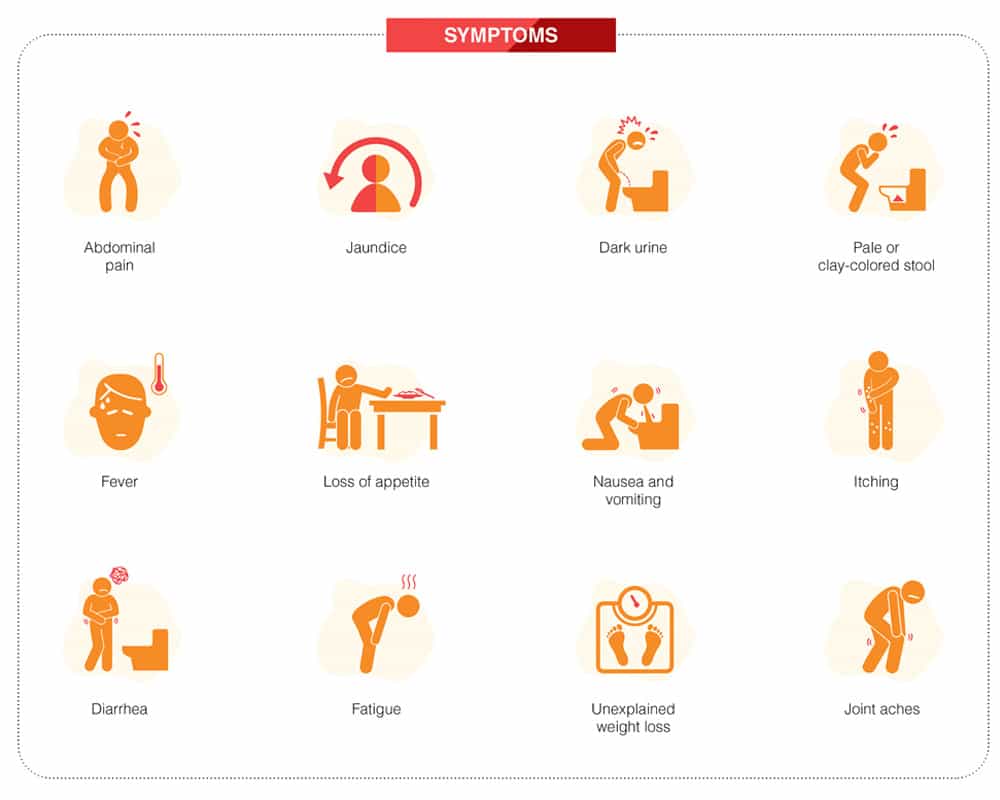
It is probably the most critical symptom in hepatitis and can be found in most, if not all, cases of symptomatic disease. Jaundice is the clinical term that describes the yellowish coloration of the skin and mucosa. It is different from a condition known as carotenemia, which comes from excessive consumption of foods with carotenes (such as carrots) and also causes a yellowish coloration of the skin. However, carotenemia does not take the white portion of the eye. That’s why doctors always examine the patient’s eyes to make sure they have jaundice and not carotenemia.
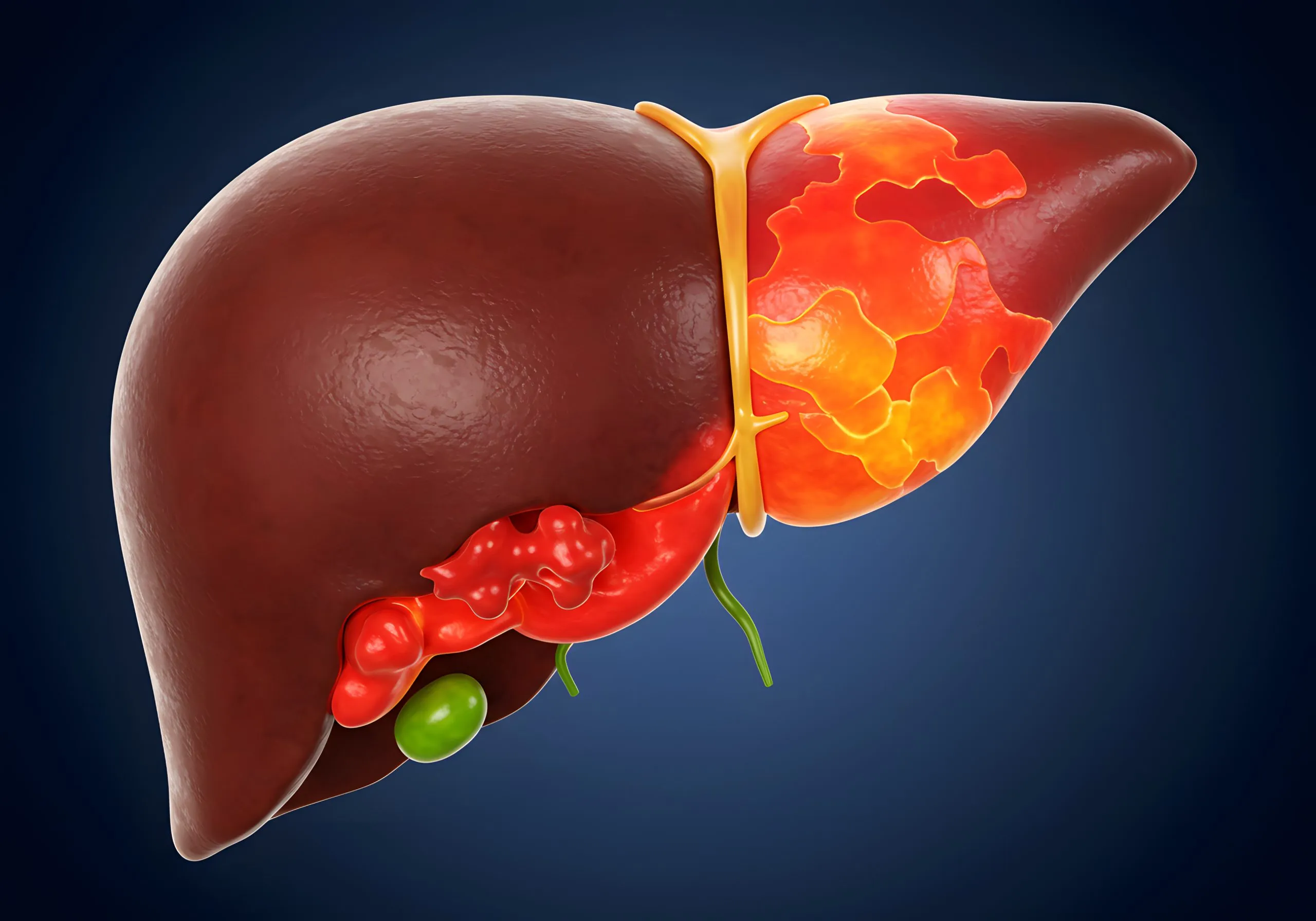
In hepatitis, jaundice is caused by an accumulation of bilirubin in the blood. This bilirubin comes from the breakdown of old red blood cells as new ones replace them. It would go through the liver in normal cases, and the organ would clear the blood from bilirubin. But a liver with hepatitis does not correctly process bilirubin, and it slowly accumulates in the blood. It is carried throughout the body and sticks to different tissues, especially the skin and mucosal membranes. Bilirubin has a dark yellow color, which is why you get a yellowish appearance when you have a high level of bilirubin in your blood.