Skip to content
Color changes in the stools and urine
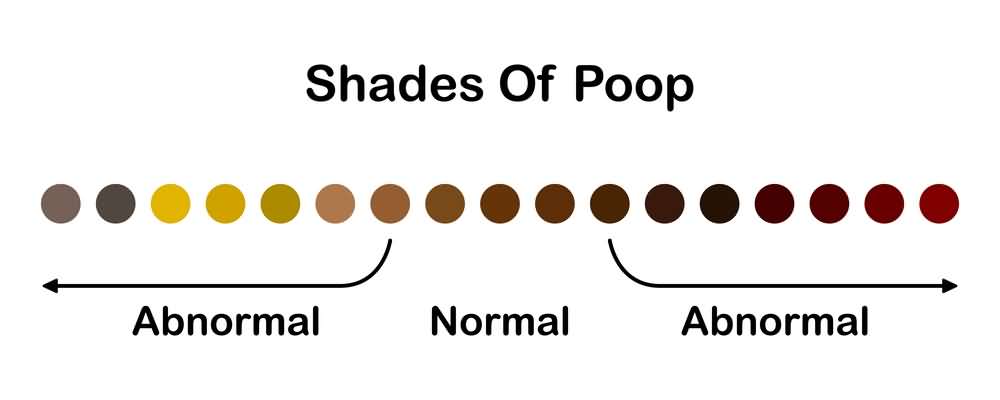
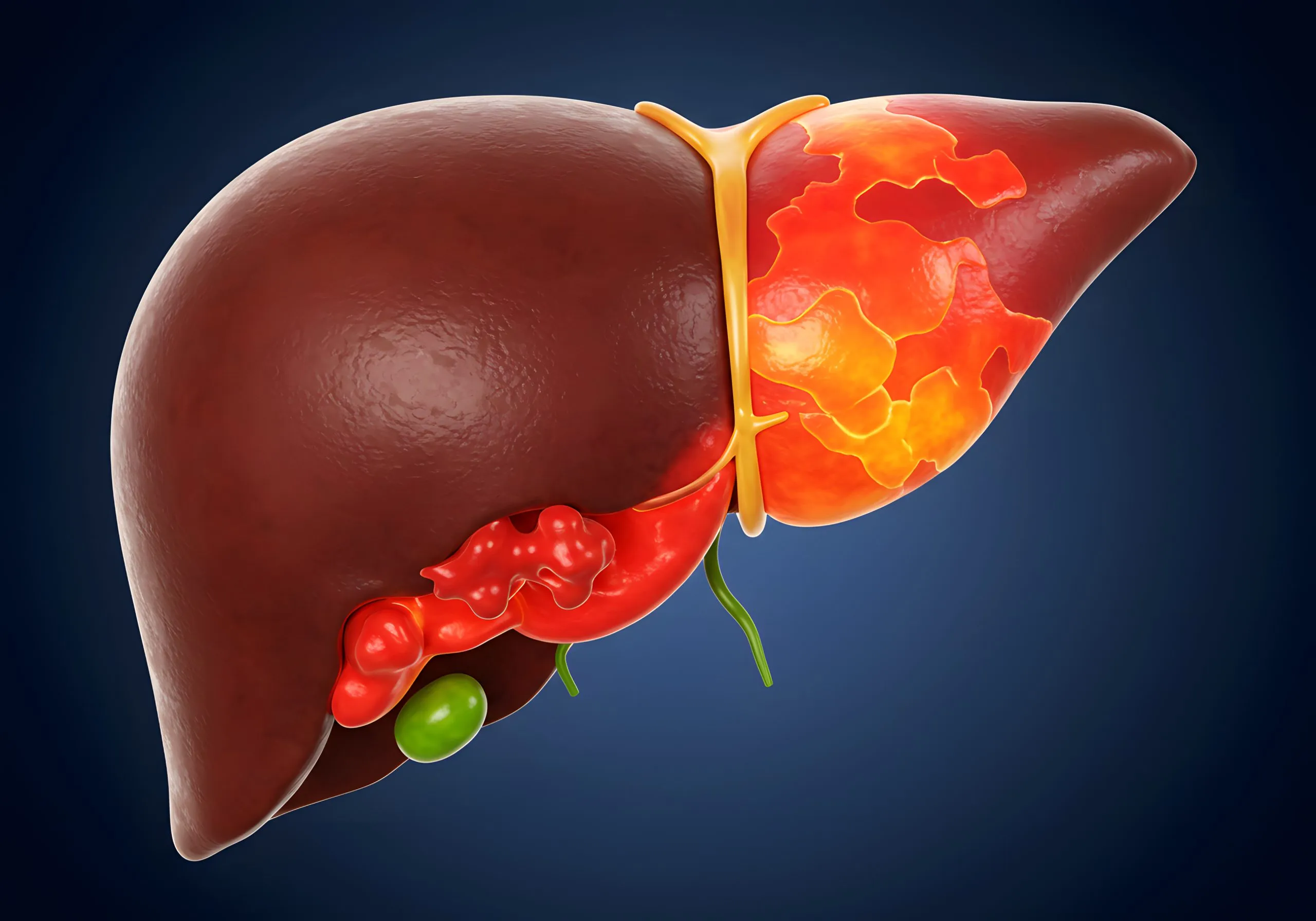
As mentioned above, the liver gets rid of bilirubin, and this substance has a very strong pigment that changes the color of the skin. In normal circumstances, the bilirubin drains in the gallbladder in the form of bile. It gives a very dark color to bile, which is then passed forward into the intestines.
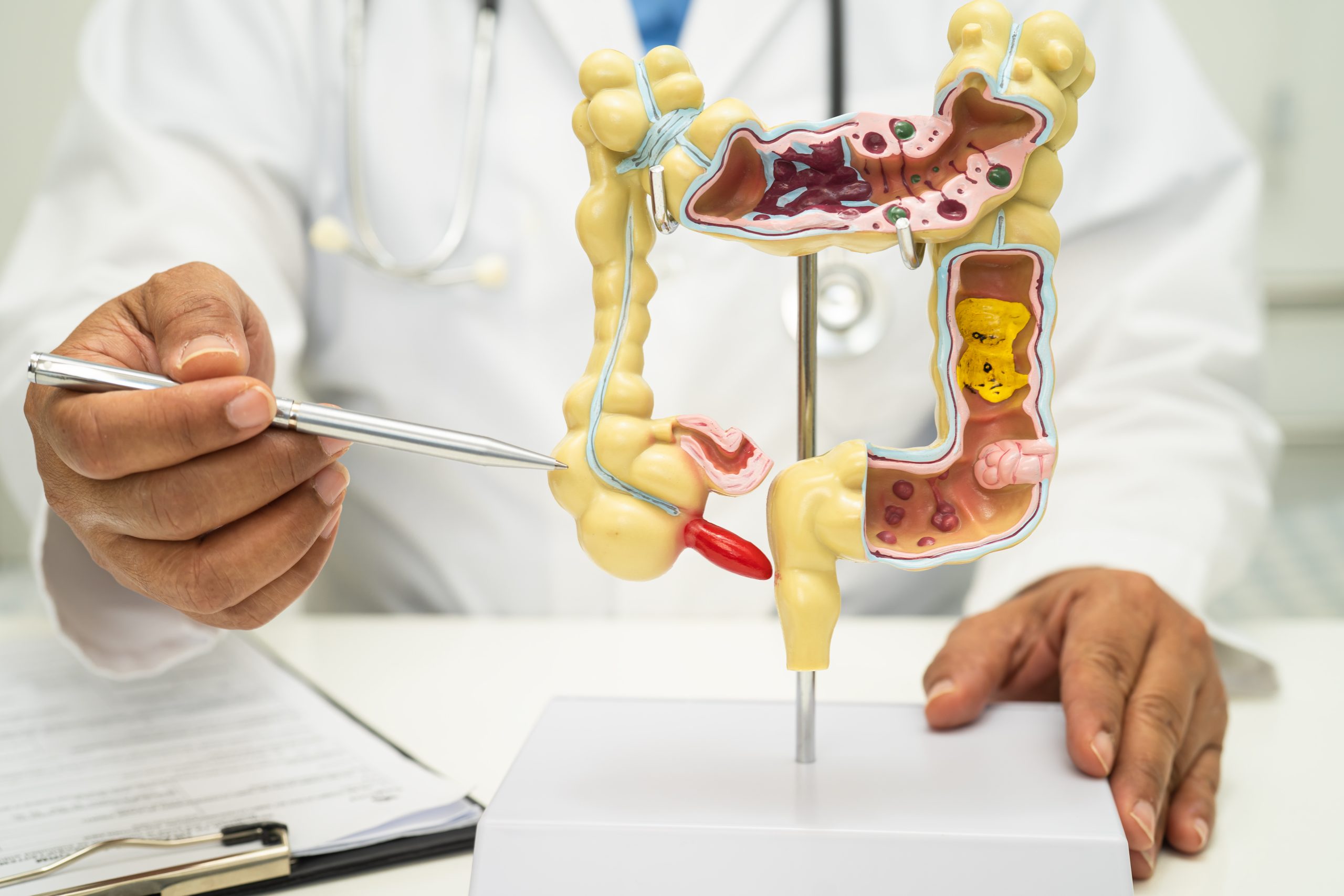
It is bile that gives a dark color to stools, but all of these changes when the liver becomes unable to process bilirubin. Instead of staining the stool, bilirubin stays in the blood, and the only way to get rid of the excess is by kidney filtration. That’s why the urine looks darker while the stools become pale. If you have very dark urine and very pale stools, it is essential to rule out an obstruction of the gallbladder by a gallbladder stone.
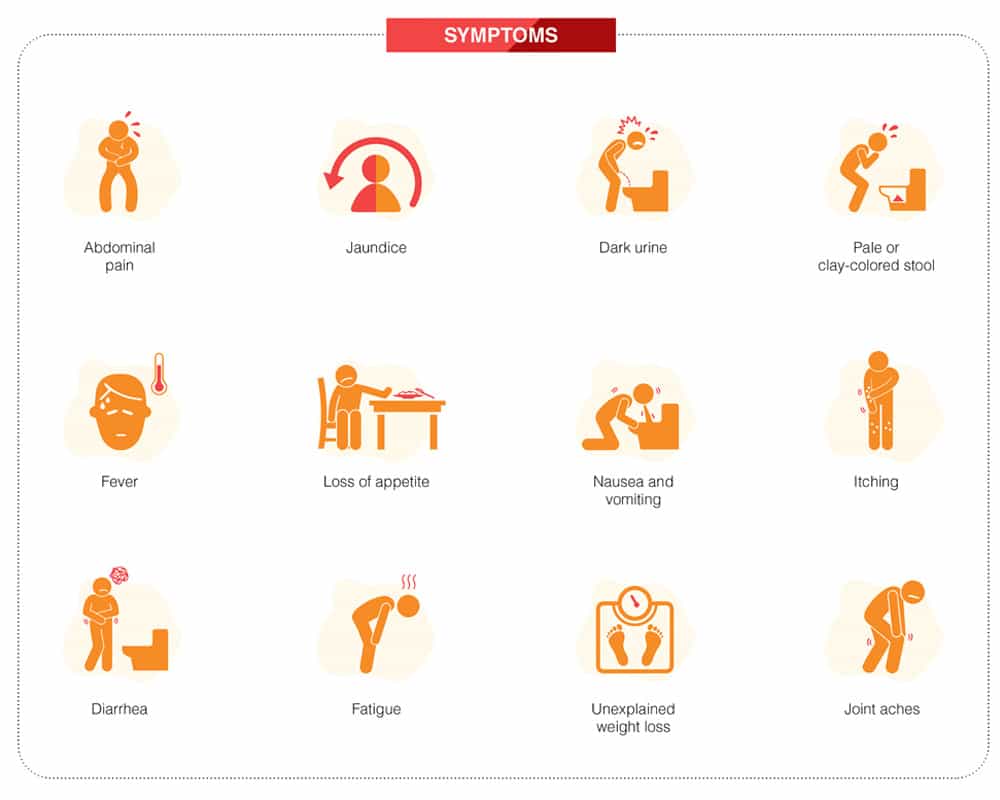
Most cases of hepatitis have the symptoms listed above. However, we should also consider a few others. These are usually found in individual infections and are useful to guide the diagnosis into what type of hepatitis we’re probably facing.