Skip to content

How do you know that you have hepatitis?
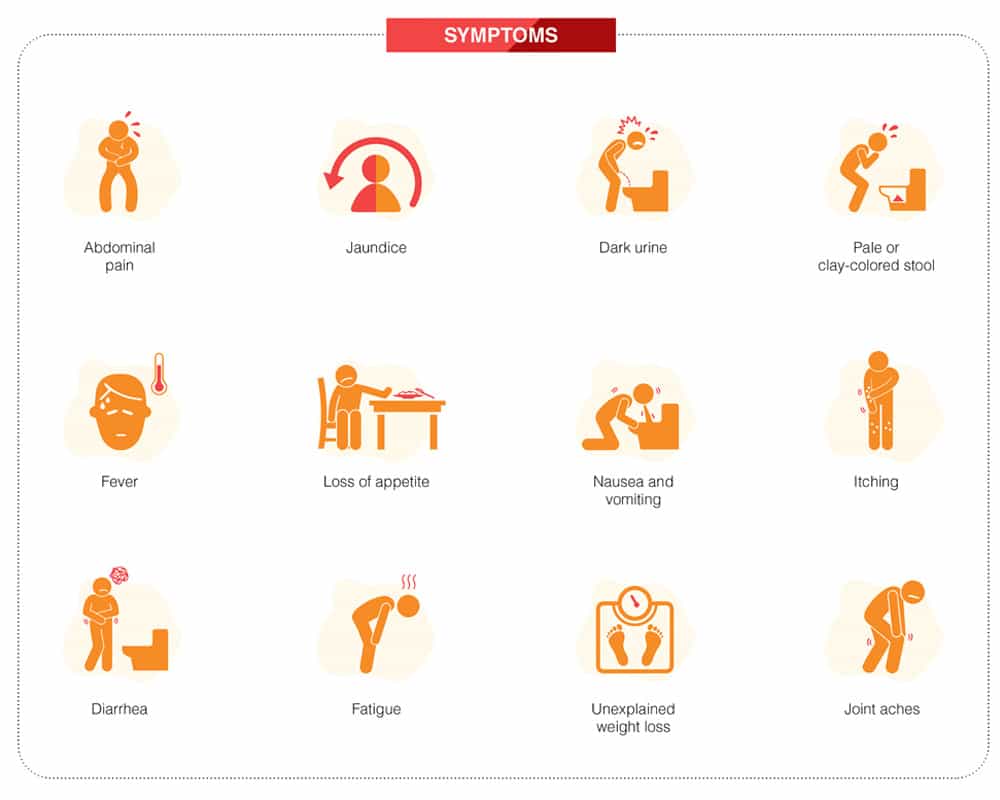
As noted above, some types of hepatitis cause chronic disease, meaning they do not give out severe symptoms at the moment of infection. Thus, they remain asymptomatic for a while. However, when they become symptomatic, hepatitis infections have similar signs and symptoms. They are also diagnosed similarly.
Signs and symptoms
- Jaundice: It is one of the main symptoms of hepatitis. It is a yellowish coloration of the skin and should also include a similar coloration of the eye’s white portion.
- Abdominal pain: The liver is usually enlarged, and patients feel abdominal pain located in the area of the liver. It is found in the upper right part of the abdomen, and it is sometimes an alarm sign of a severe disease or hepatitis stage.
- Nausea: Most types of hepatitis have nausea listed as one of the main symptoms. Patients often lose their appetite, too.
- Fatigue and malaise: Patients with hepatitis often feel weak and not at their best. These symptoms are especially common in cases of acute disease.
- Change in color in the urine and stools: The urine becomes darker than usual. This is more common in hepatitis B and should be evaluated by a doctor to rule out gallbladder stones as a possible cause.
Diagnosis
The diagnosis of viral hepatitis is usually made by examining the patient and contrasting the evidence with blood tests and imaging diagnostic tests. Each virus has its own detection test, so doctors should have an idea of what type of virus it is before asking for a serological exam.
In the diagnosis of certain hepatitis types, it is usually required to perform an HIV test, too. This is especially common in patients with multiple sexual partners and in the case of hepatitis B and hepatitis C.
Imaging tests of hepatitis often show an enlarged liver that is also infiltrated with fluid. Fluid retention is one of the main features of inflammation in the liver and other tissues.