Skip to content
What Happens When You Get Infected?

The usual infection pathway requires personal contact, especially during sexual intercourse. However, virus inoculation can also happen through the eyes and other skin parts with small cracks. Aerosol spreads are rare because the virus inactivates and dries at room temperature. However, there is an additional transmission pathway: it can be passed down from a mother to her newborn during childbirth.
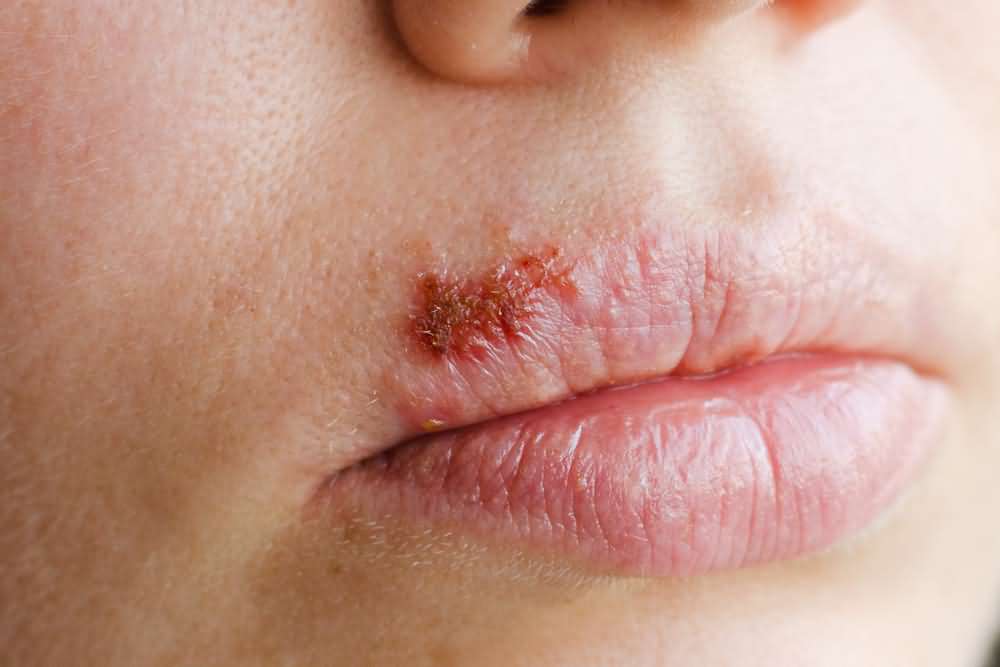
When you get infected with the herpes simplex virus, your body goes through different stages. In the symptomatic stage, the virus infects the epithelial tissue and causes characteristic lesions in the site of infection. But then, after viral replication occurs, the virus is detected, taken, and transported by neurons. It travels to the dorsal root ganglia when viral replication happens once again.
The unique biological properties of the herpes simplex virus include:
- Neurovirulence, because the virus invades the nervous tissue and replicates inside sensory neurons that express a specific receptor.
- Latency, which means that the virus stays inactive but still viable inside the nerve tissue. In genital infections, it would remain in the sacral nerve root ganglia. In orofacial disorders, it remains latent in the trigeminal ganglia.
- Reactivation, because the latent virus can be induced to reactivate. The usual triggers for recurrence of the herpes simplex virus include emotional stress, menstruation, trauma, fever, and sunlight exposure.
When infected, the body uses cellular immunity to counter the virus. T-cell immunity is critical to fighting it off, and this is why people with diabetes have a higher propensity for dangerous complications.
References
Gnann Jr, J. W., & Whitley, R. J. (2016). Genital herpes. New England Journal of Medicine, 375(7), 666-674.
Arvin, A., Campanelli-Fiume, G., Mocarski, E., Moore, P. S., Roizman, B., Whitley, R., & Yamanishi, K. (Eds.). (2007). Human herpesviruses: biology, therapy, and immunoprophylaxis.
Kimberlin, D. W., & Whitley, R. J. (2007). Antiviral therapy of HSV-1 and-2. Human herpesviruses: biology, therapy, and immunoprophylaxis.
Álvarez, D. M., Castillo, E., Duarte, L. F., Arriagada, J., Corrales, N., Farías, M. A., … & González, P. A. (2020). Current antivirals and novel botanical molecules interfering with herpes simplex virus infection. Frontiers in Microbiology, 11, 139.