Treatment Options

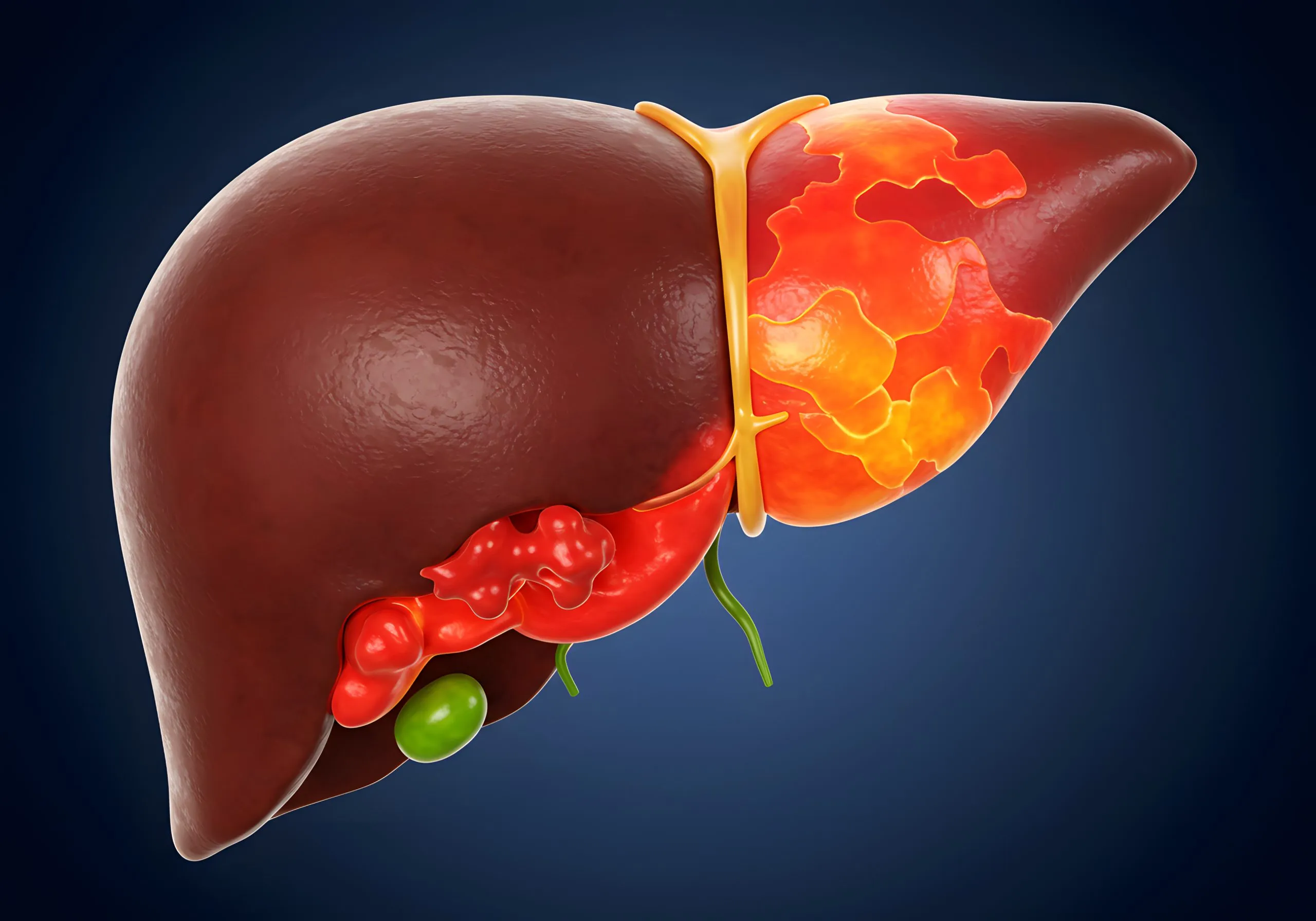
Herpes is a viral agent, and antibiotics are ineffective in countering the infection. However, we can use a variety of topical, oral, or intravenous antivirals. The most common is acyclovir, but others have been added as alternatives: famciclovir, penciclovir, and valacyclovir.
These drugs interfere with an enzyme called DNA polymerase, which is required for the virus to keep replicating and creating more copies.
It is important to mention that antivirals are mainly effective if you take them up to 3 days after the onset of the skin lesions. Thus, it is essential to talk to your doctor as soon as possible if you suspect that herpes simplex is the cause of your skin rash.
Some herpes simplex viruses are resistant to antiviral medications. In extreme cases when the disease does not respond to any drug, foscarnet, and cidofovir are contemplated. However, these drugs have severe kidney side effects. Thus, they are only used with extreme caution and under medical supervision.
In the case of recurrent herpes simplex treatment, it usually requires oral antivirals or topical agents. When the recurrence is very infrequent, patients may not require any treatment at all.
How is it Different From Other Herpes Viruses?
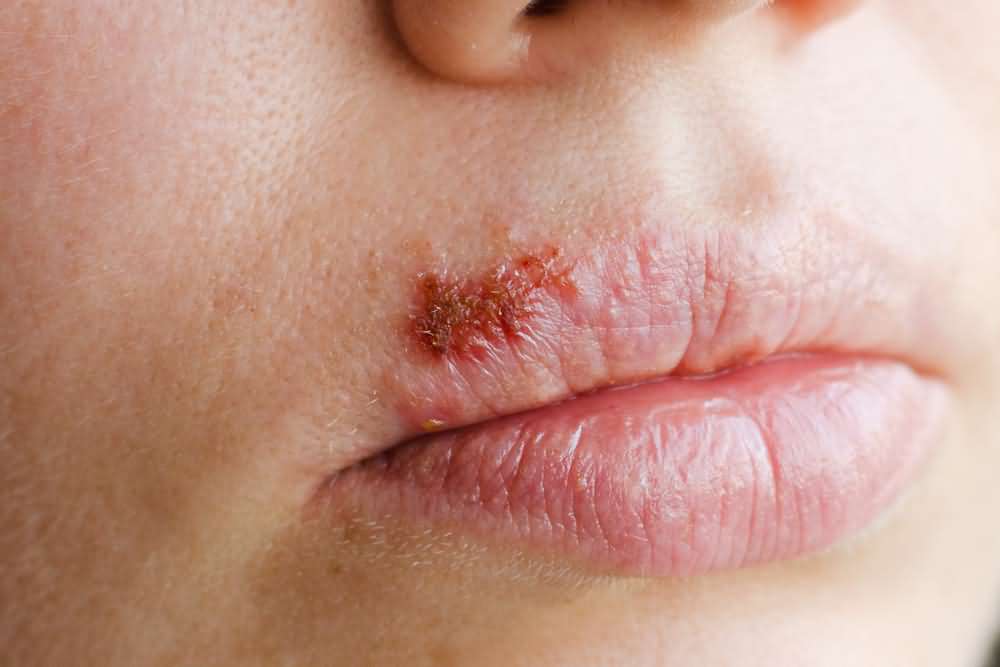
Herpes simplex virus has many cousins. They are also herpes viruses, included in the family known as Herpesviridae. They have in common a double-stranded DNA molecule and a genome of 70 to 200 genes. The main difference is given by the preferences of the virus (tropism) and the disease they trigger.
For example:
- Herpes simplex virus causes sores and ulcerations in the lips or genitals
- Varicella-Zoster virus causes the famous chickenpox and shingles, with skin blisters and rash.
- The Epstein Barr virus is also a distant cousin of herpes simplex. Along with cytomegalovirus, it causes infectious mononucleosis and sometimes blood malignancies.
- There are also herpesvirus 6 and 7, which are responsible for roseola
- Finally, we have a virus that only affects people with HIV or severe immunodeficiency, causing Kaposi’s sarcoma.
As noted, the herpes simplex virus is included in a broad category of viruses that primarily affect the skin and mucosa.