Skip to content

What is considered a high ammonia level?

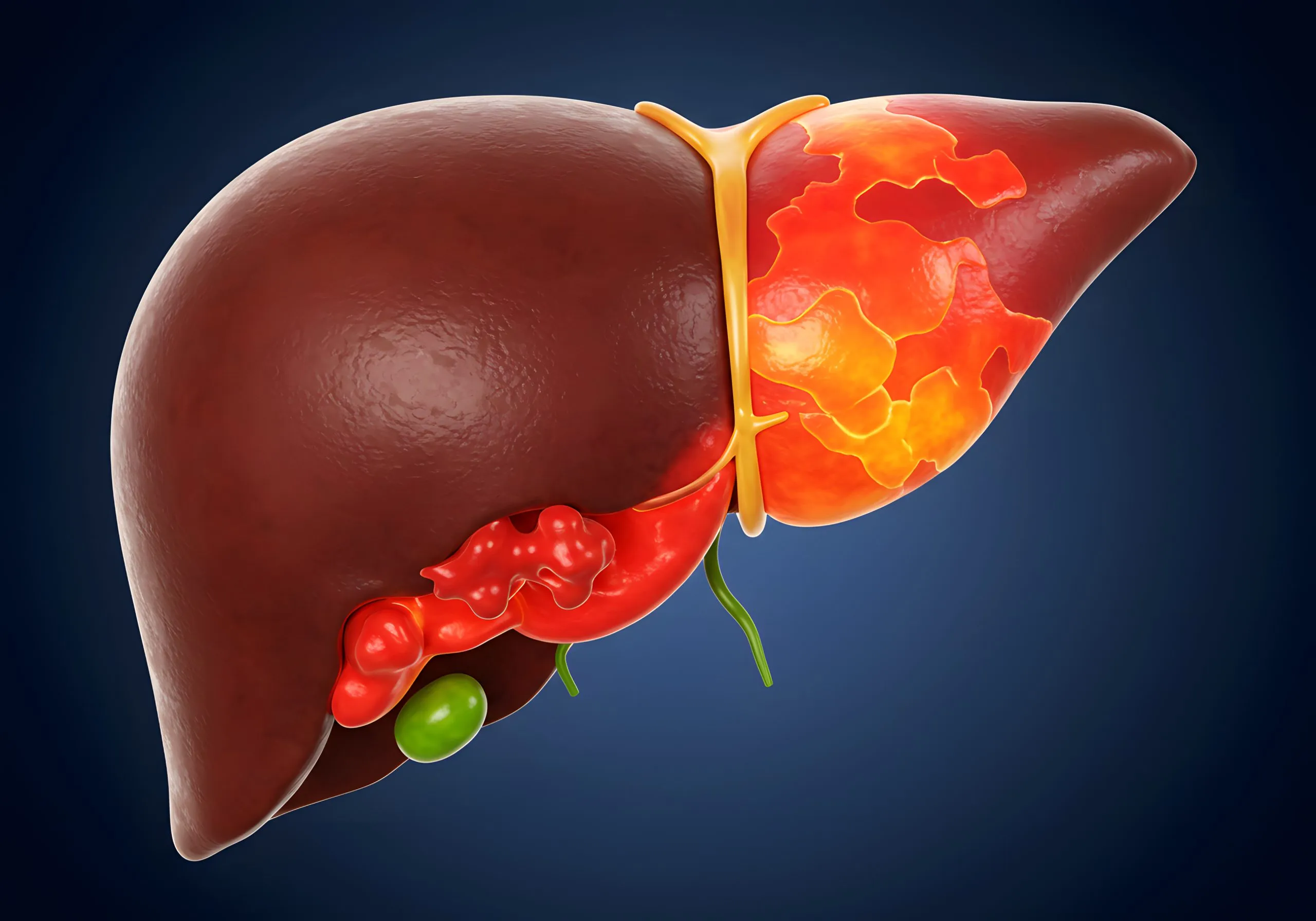
The body treats ammonia as a waste compound, and it is readily excreted in the urine. The accumulation of ammonia happens when there’s an increase in ammonia production or a problem getting rid of ammonia. For example, ammonia levels increase significantly when the muscle breaks down in skeletal muscle disease. Also, when the liver does not work as it should, ammonia is not transformed into urea, and it is not easily transported into the urine. In both cases, ammonia accumulates and starts causing a problem.
This problem is known as hyperammonemia. It is a metabolic condition that features a high level of ammonia. But what is considered a high level of ammonia? The answer depends on the age of the patient:
- Healthy-term infants should have ammonia levels lower than 80 to 90 micromoles per liter
- Preterm infants should have ammonia levels lower than 45 to 90 micromoles per liter
- Children older than one month should have ammonia levels lower than 50 micromoles per liter
- Adults should ideally have ammonia levels under 30 micromoles per liter