
How high can ammonia levels go before death?
Ammonia is a waste product. Low levels are harmless because the body can handle them correctly. But when ammonia accumulates in the blood, the tissues cannot compensate, and it becomes a toxic substance, especially for the brain.
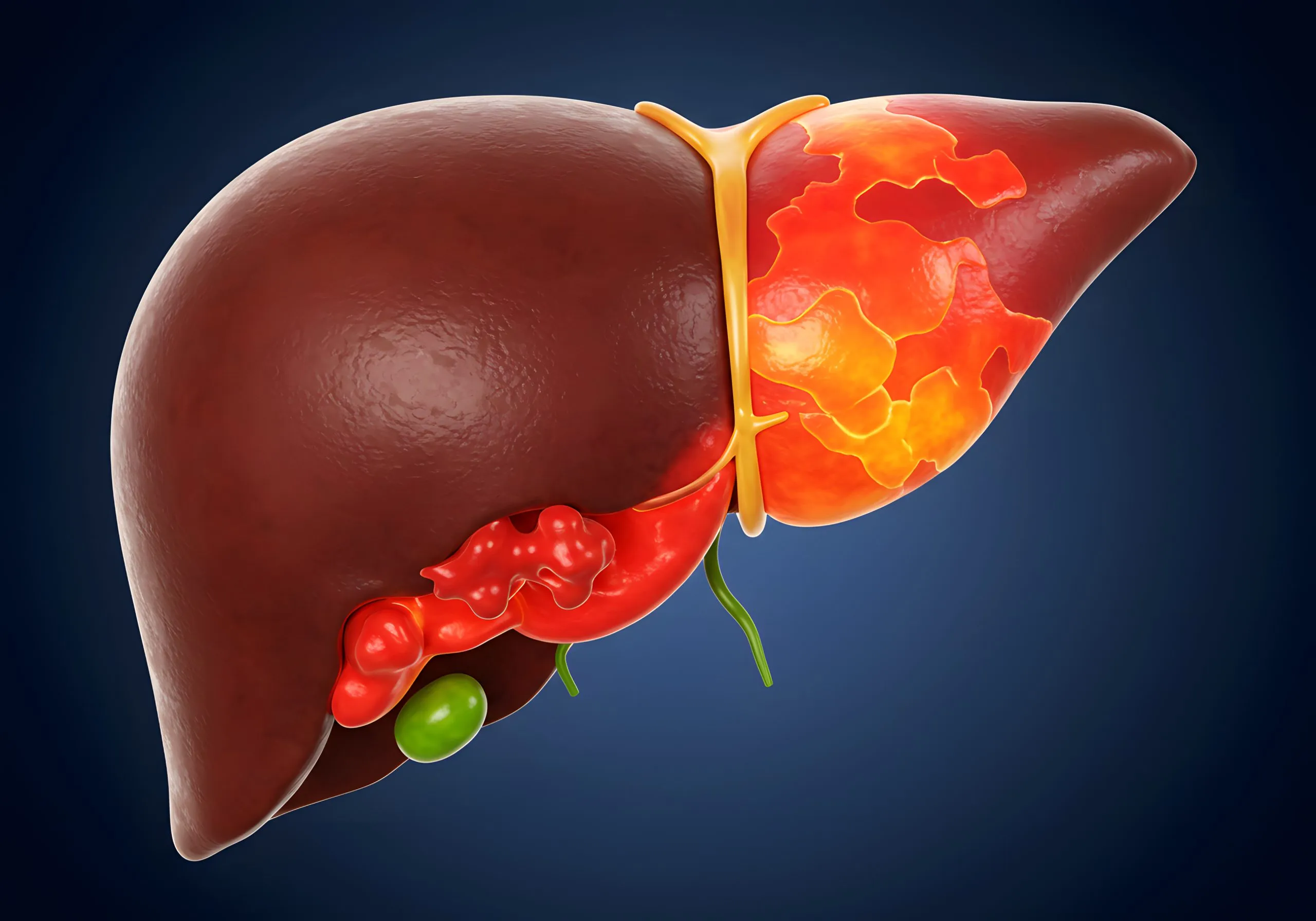
Ammonia accumulation is the main reason behind a complication of liver disease known as hepatic encephalopathy. In this complication, ammonia becomes toxic to the nervous system. The exact mechanism is unknown, but scientists believe that the problem depends on changes in the neurotransmitter concentration in the brain, especially glutamate. In animal models, the levels of glutamate increase in the brain. Such an increase causes activation of receptors and changes in the brain’s electric activity, leading to cognitive problems, seizures, somnolence, lethargy, fatigue, personality changes, mood swings, coma, and death.
High ammonia levels also cause a hazardous problem in the brain called cerebral edema. There are cells in the brain called astrocytes. They are the most critical detoxifying cells in the brain and start to swell when they are overwhelmed with ammonia. Liquid builds up in the brain, and intracranial pressure increases. As the pressure increases, parts of the brain are forced through natural structures of the skull in a process called brain herniation. The problem is that brain herniation affects superficial parts of the brain that control essential body functions such as breathing. The patient becomes unconscious, enters into a comatose state, and stops breathing.
Thus, high ammonia levels can be very dangerous. But when are ammonia lethal? The answer depends on each patient, and there’s no upper threshold after which all patients die. Everyone has a different metabolism, and their bodies have different coping mechanisms. However, studies show that ammonia levels higher than 120 micromoles per liter at the moment of admission to the hospital is associated with a higher mortality rate.
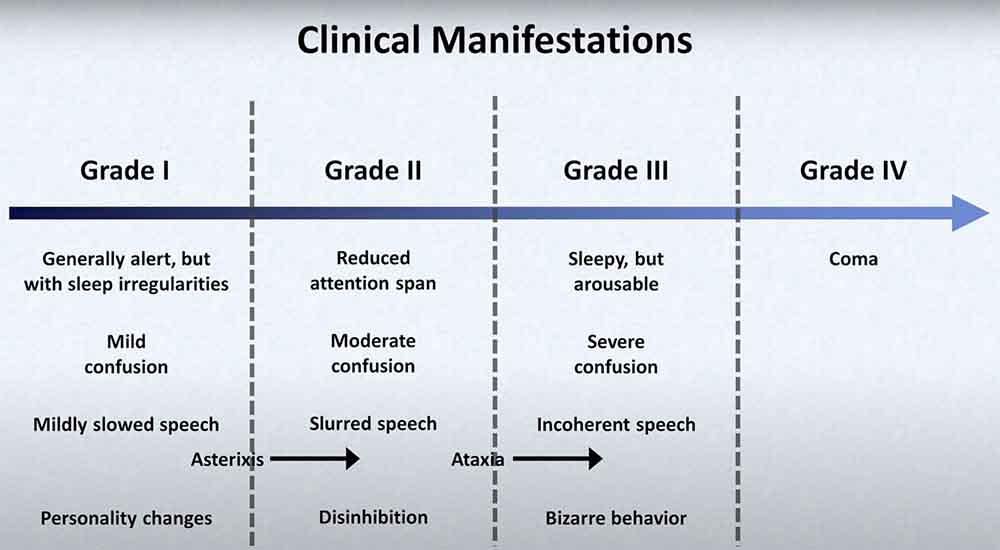
The upper level of ammonia in adults should be 30 or 50 micromoles per liter, according to some authors. Reaching 120 micromoles per liter takes an extended period in which the patient will typically have different manifestations of the disease:
- In Grade 1, the patient would simply feel anxious or extremely euphoric, with attention problems and mild cognitive impairments.
- In Grade 2, the patient starts feeling disoriented in time or place and has inappropriate social behaviors, subtle personality changes, and sometimes apathy or lethargy.
- In Grade 3, lethargy turns into deep somnolence and stupor. However, the patient still responds to verbal stimuli. Confusion is common, and the patient is disoriented and speaks nonsense.
- In grade 4, the patient reaches a comatose state where he’s not responsive to any stimuli. If high ammonia levels continue, the patient can develop severe brain edema and die.