Skip to content

Pharmacokinetics

Isoniazid possesses unique characteristics when it comes to its pharmacokinetic properties. The absorption of the drug effectively takes place through the GI tract. This is why it is manufactured as an oral drug and administered via the patient’s mouth. However, when the drug enters the GI tract, it suffers significant first-pass metabolism. This means that the drug is broken down extensively into inactive metabolites. This decreases the overall bioavailability of the drug as it reaches the systemic circulation. The bioavailability is also decreased if the drug is taken with food. Therefore, it is recommended to take the drug orally on an empty stomach so no food-drug interactions occur.
The drug effectively distributes almost all tissues and body fluids, including cerebrospinal fluid (CSF). It also enters the breast milk, so the nursing mothers should inform their physicians about breastfeeding before starting the isoniazid prescription to get adequate instructions. The protein binding of the drug is 10% – 15%, which means that the volume of distribution of Isoniazid is affected because of the plasma proteins. People who have prior kidney injuries or renal diseases should inform the physician.
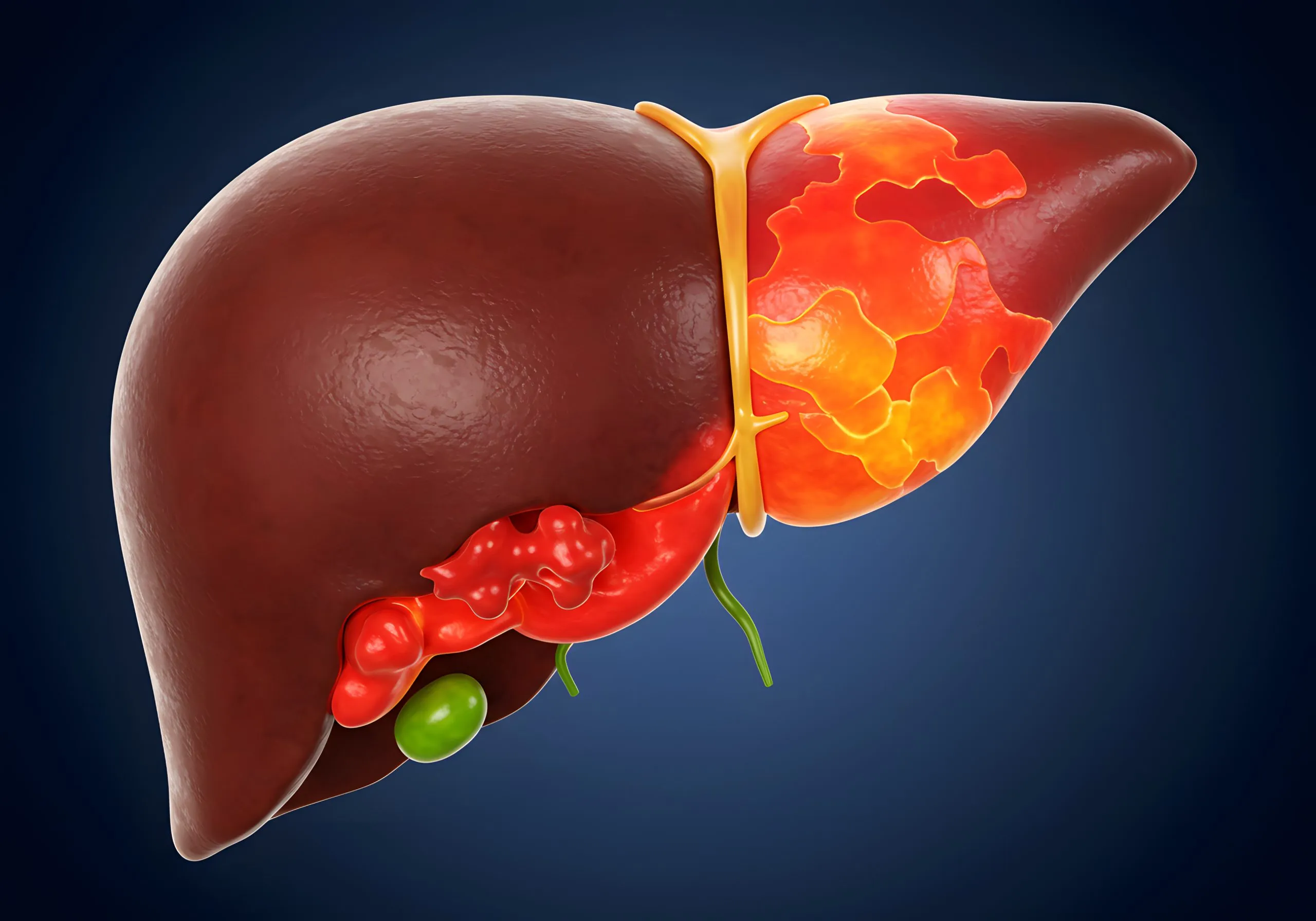
The metabolism of the drug takes place in the liver. This is done by the cytochrome P450 isozymes, which break the drug into its inactive metabolites before it is excreted out of the patient’s body. It is first acetylated by N-acetyl transferases to convert Isoniazid into N-acetyl isoniazid. Other metabolites formed are isonicotinic acid and monoacetyl hydrazine. Monoacetyl hydrazine is a hepatotoxic compound, so patients who have a compromised metabolic activity genetically should get their LFTs checked regularly. Dosage adjustment would be required in patients who already suffer from the hepatic disease.
The major route of elimination of the drug is urine. 50% to 70% of the drug is excreted via the kidneys within 24 hours, while the remaining drug is excreted through feces. People who are fast acetylators might start eliminating the drug from their bodies within 0.5 to 1.6 hours, while slow acetylators might take a period of 2 to 5 hours. It should be noted that the rate of acetylation of the drug varies ethnically, demographically, and genetically.