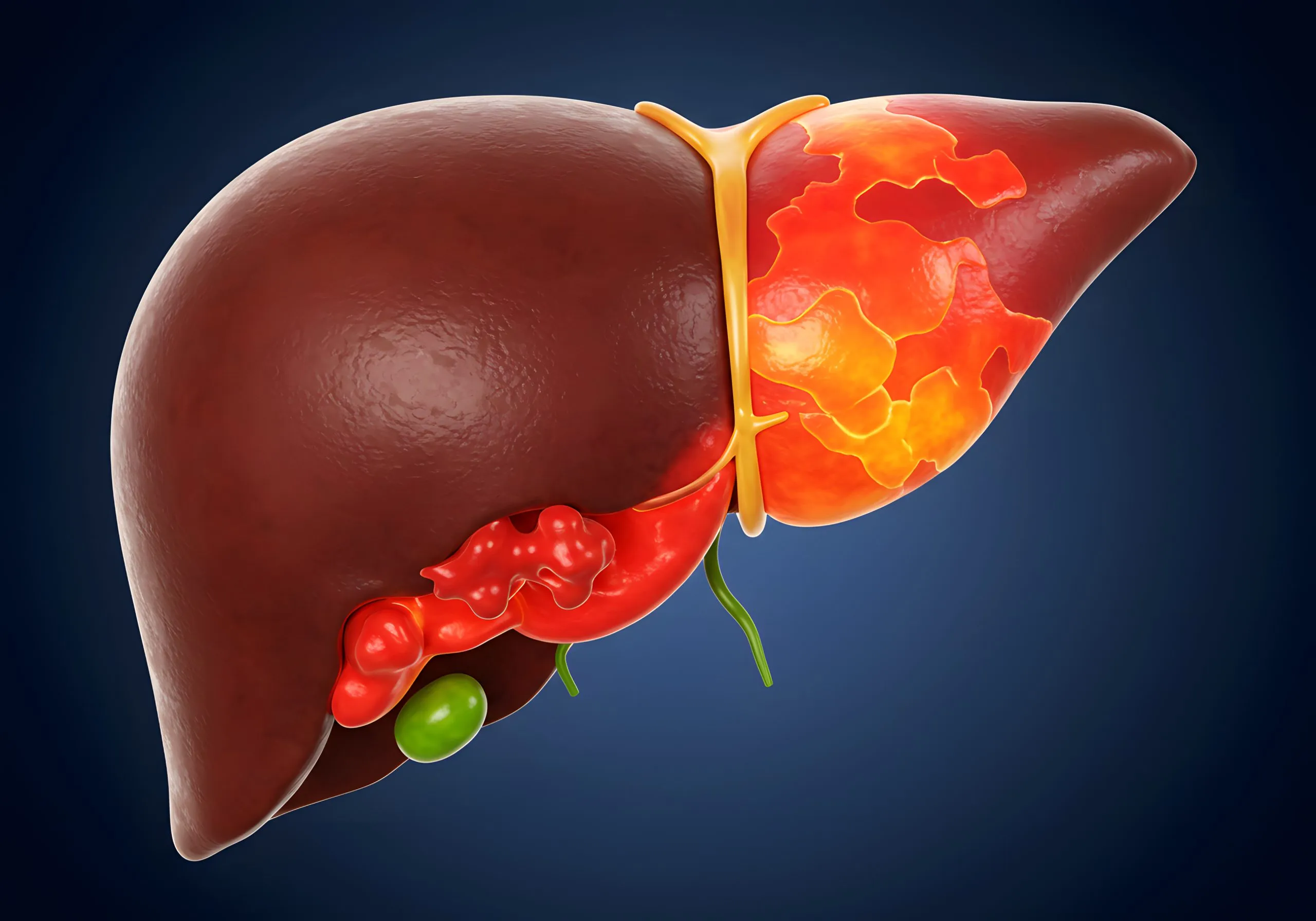

What You Should Know Before Getting Started
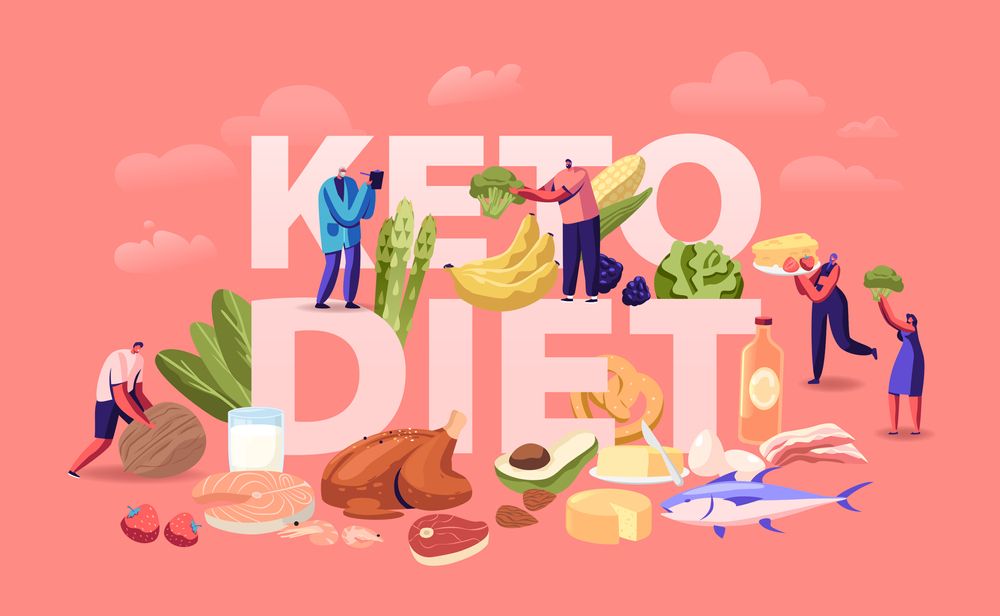
What you’ve learned so far is probably enough to get yourself started with the keto diet, but there is something else you should know. First and foremost, the keto diet is not intended to be a long-term weight loss strategy. Some people keep the keto diet for a very long time, but there are no studies to back up that practice. Doing so may hold consequences we still don’t know about because they are not thoroughly studied.
So, instead of staying on the keto diet for years, do it in short periods of 2-3 months maximum. You should follow the advice above and be careful not to eat a single high-carb food during that time. After the recommended period is finished, you should continue with a maintenance diet or a regular low-carb diet designed by your nutritionist. The transition between the keto diet and a maintenance diet should last around two weeks, during which you should start increasing carbohydrate intake progressively. Doing it all of a sudden may lead to a rebound effect.
You should also know that an increase in fat intake can be difficult for some people. For example, if you suffer from gastritis, a high fat intake might give you gastrointestinal symptoms. Keto flu, as described above, is expected in some people, but if you start experiencing additional health problems, be sure to talk about it with your doctor.
Finally, it is essential to mention that athletes should be guided by a professional if they want to maintain physical performance. In the keto diet, there are periods in which you may feel low energy, especially during the first two weeks. If you don’t take this transition into account, you may experience undesirable symptoms in the middle of a sporting match.