Skip to content
Leptospirosis in pets and domestic animals

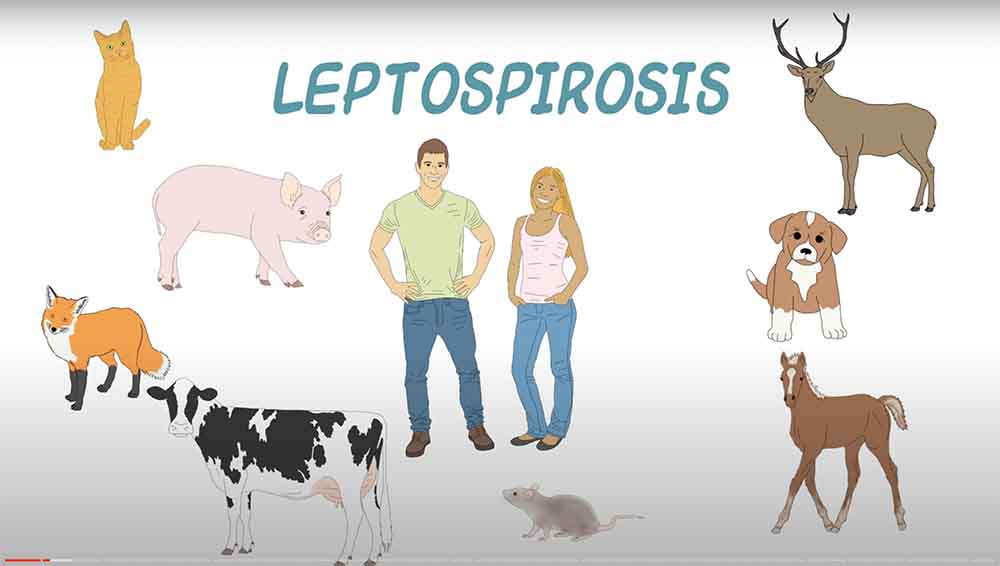
Leptospirosis is usually found in dogs. People who are pet peeves and love to keep dogs at home can easily contract this zoonotic disease. Dogs typically develop severe lung disease and face difficulty in breathing. Improper and rough breathing pattern shows the dogs need medical aid and a test for Leptospirosis infection.
The bacterium that infects dogs is Leptospira serovar, Canicola, but not only dogs but many other mammal species can be infected through this bacteria. These include domestic animals like cattle, pigs, horses, rodents, and even wild animals. The infection might be subclinical initially, i.e., showing no obvious symptoms. However, the disease might progress and become severe. The usual treatment involved is the use of an antibiotic, doxycycline. However, one medicine is not enough in extreme cases, so supportive care is provided in several ways.
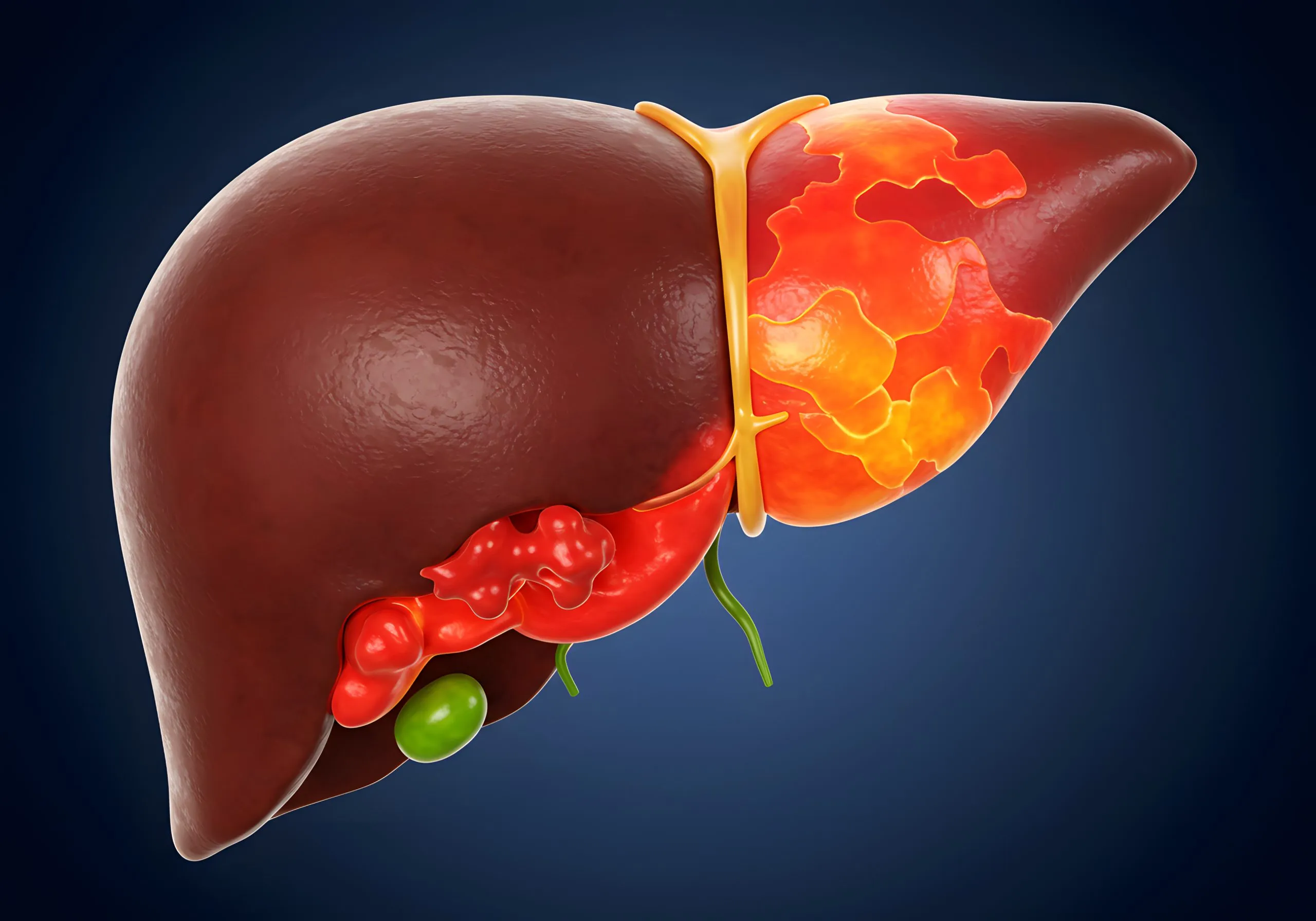
When infected with Leptospira, dogs usually exhibit extreme kidney and liver injuries. Unfortunately, not much data is available on the pattern of dogs’ clinical manifestations after Leptospirosis. Dogs are still the primary species for maintaining the reservoir of Canicola. However, rodents are still domestic animals. These develop and grow in population in any place that is not well maintained and remains unclean and unopened for a longer time.