Skip to content

Diagnosis of liver cancer

The classification of liver cancer follows the usual TNM staging system. It evaluates the characteristics of the tumor, the involvement of lymph nodes, and the presence of metastasis. But before staging cancer, a few steps will be required to diagnose the disease.
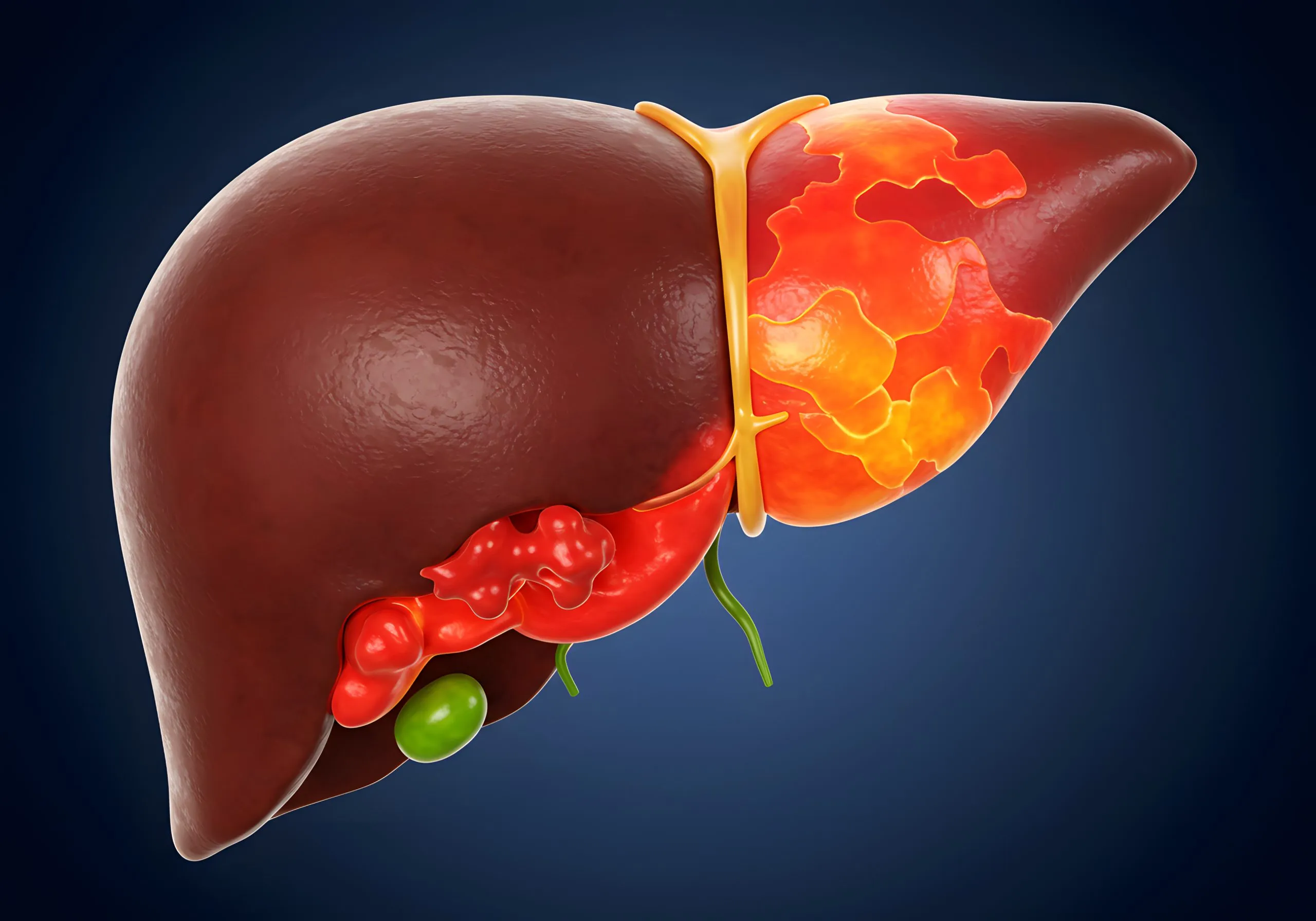
Some cases are detected after the patient reveals a series of signs and symptoms. Even if they don’t and it is a silent disease, the physical exam could reveal positive findings. The most common finding in the physical exam is an abdominal mass or an increase in the liver size (hepatomegaly). Skilled doctors would go further and describe an irregular border in the liver. Indeed, it is also essential to look for signs of jaundice, which develops when cancer blocks the biliary structures.
There’s a sudden and severe strike of abdominal pain in rare cases due to an outgrowth of the tumor blood supply. The patient may also have hypotension and peritoneal irritation. The latter is apparent in the physical exam by simply touching the abdomen.
When doctors have a suspicious case of liver cancer, they can perform an ultrasound and alfa-fetoprotein test, even if the patient does not have a high risk.