Skip to content

Conclusion

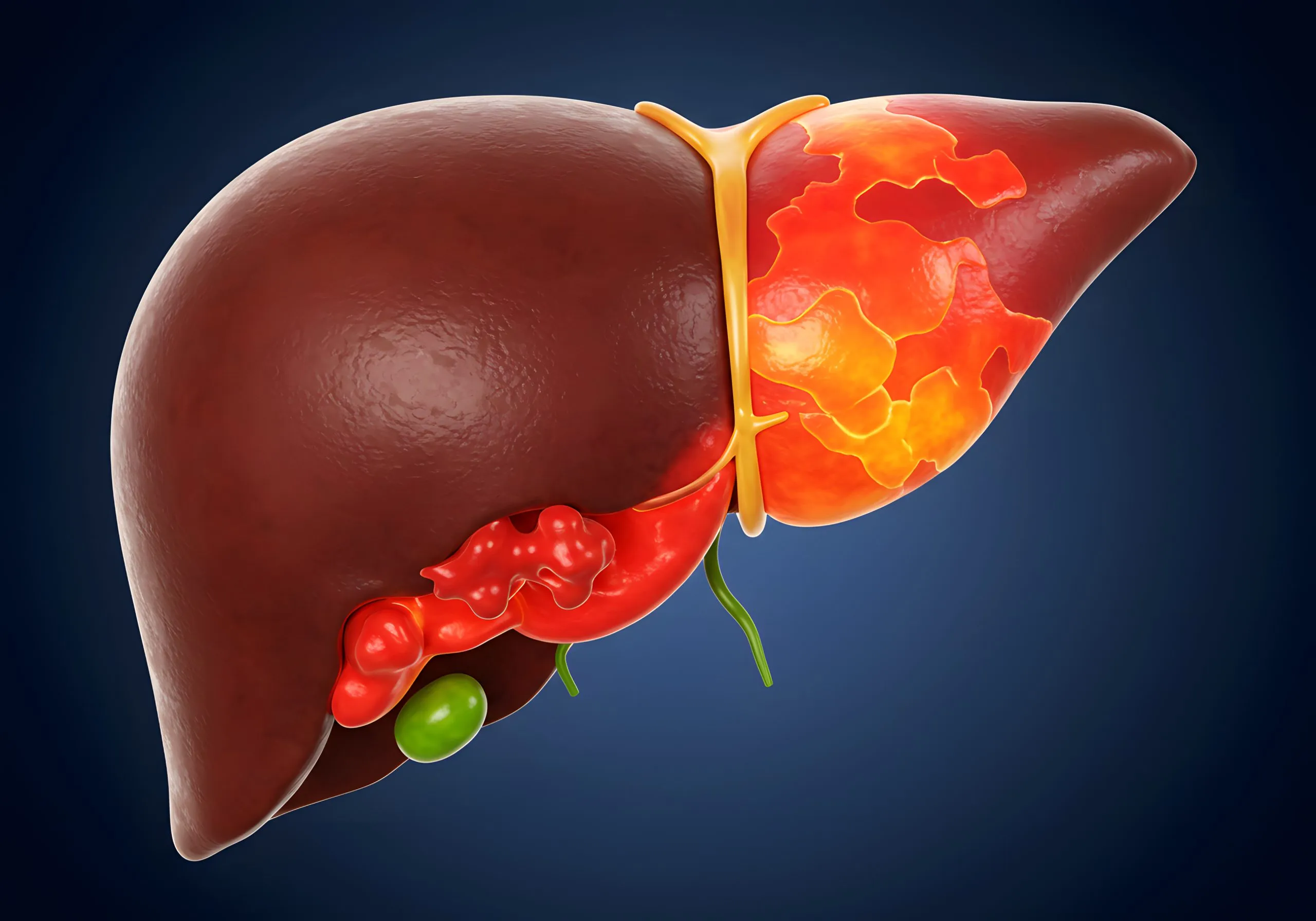
Liver flukes are worms that cause parasitic infection of the liver. Fasciola hepatica is a zoonotic illness that spreads through water and food. Clonorchis Sinensis and Opisthorchis felineus are other liver parasites. Humans can be infected with liver flukes, resulting in liver and bile duct disorders.
Typically, it is the sheep that serves as the primary host. People can also become infected by drinking contaminated water or eating vegetables that have been washed or irrigated with it. In people with new-onset Fascicoliosis, symptoms include fever, malaise, stomach discomfort, eosinophilia, hepatomegaly (enlarged liver), and itching. Cholangitis caused by a subsequent bacterial infection, septicemia, liver abscess, and biliary stricture are all possible side effects of Fasciola infection.
All liver flukes can be diagnosed using stool samples. These will exhibit typical eggs of each liver fluke. Treatment is done using medication that generally varies with species type. Triclabendazole is the drug of choice for Fascicoliasis. Prevention is key to avoiding infection in endemic areas. It can be attained by freezing or cooking the meat or fish prior to consumption.
References
- CDC. (n.d.). CDC – Liver Flukes. https://www.cdc.gov/. Retrieved January 21, 2022, from https://www.cdc.gov/parasites/liver_flukes/index.html
- Davidson book
- Locke V, Kusnik A, Richardson MS. Clonorchis Sinensis. [Updated 2022 Jan 9]. In: StatPearls [Internet]. Treasure Island (FL): StatPearls Publishing; 2022 Jan-. Available from: https://www.ncbi.nlm.nih.gov/books/NBK532892/
- CDC. (n.d.-b). CDC – Opisthorchis. https://www.cdc.gov/. Retrieved January 21, 2022, from https://www.cdc.gov/parasites/opisthorchis/
- IARC Working Group on the Evaluation of Carcinogenic Risks to Humans. Schistosomes, Liver Flukes and Helicobacter pylori. Lyon (FR): International Agency for Research on Cancer; 1994. (IARC Monographs on the Evaluation of Carcinogenic Risks to Humans, No. 61.) INFECTION WITH LIVER FLUKES (Opisthorchis viverrini, Opisthorchis felineus and Clonorchis sinensis) Available from: https://www.ncbi.nlm.nih.gov/books/NBK487790/