Skip to content

Diagnoses you can get after an altered liver function test

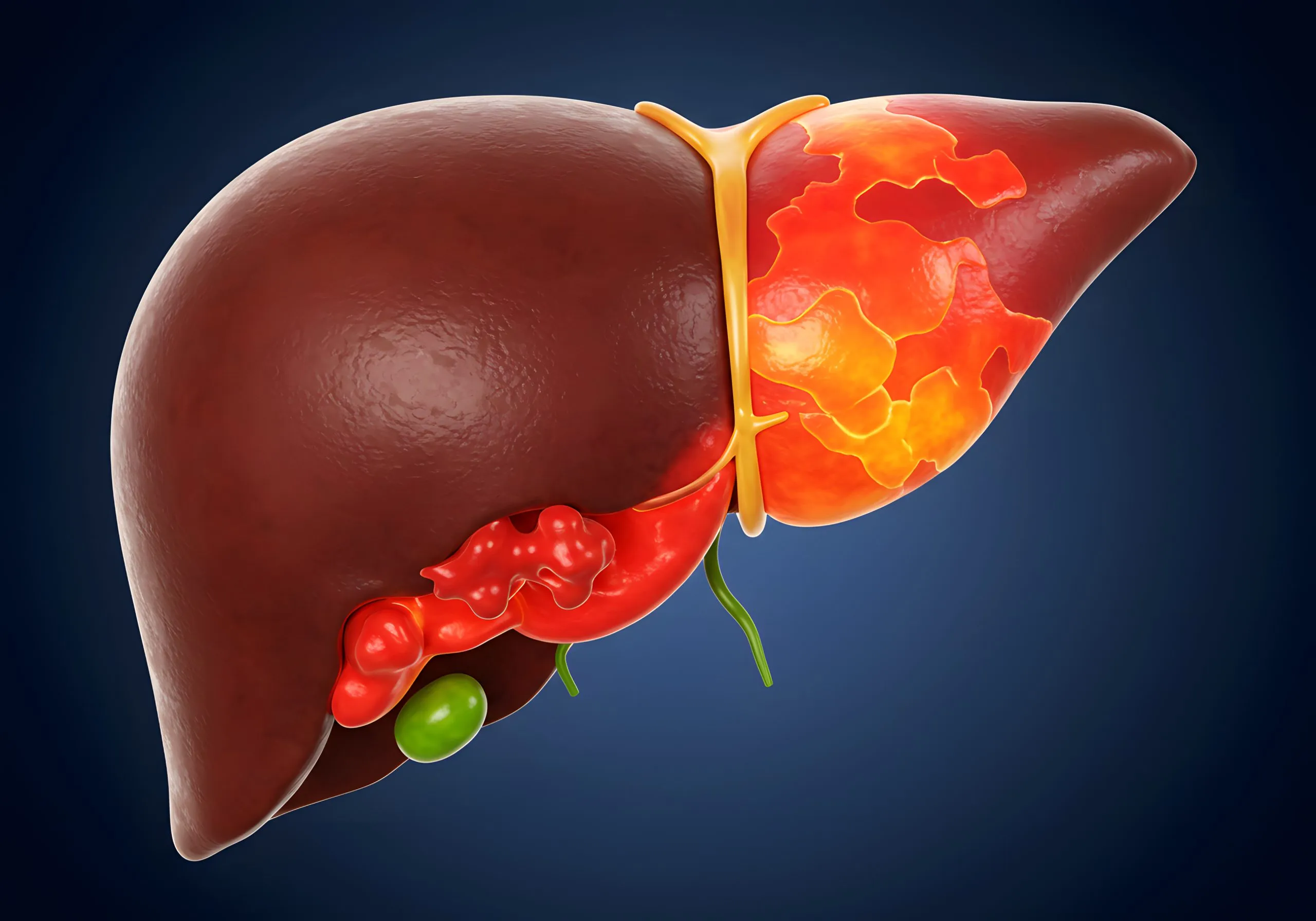
As noted above, different levels of liver function tests can point out various liver-related diseases. Let’s discuss some of them and how they are translated into blood measurements.
- Alcoholic liver disease: In alcoholic liver disease, there’s generally an increase of aminotransferases, especially AST. The proportion of AST:ALT is usually 2:1. Moreover, GGT is often increased when patients are abusing alcohol.
- Medication-induced liver damage: When liver damage is caused by antibiotics, NSAID abuse, or any other hepatotoxic drug, there is acute hepatocellular injury but also acute cholestasis when the damage is done by rifampicin, amoxicillin, azithromycin, or trimethoprim-sulfamethoxazole. When this damage is maintained for a long time, there’s long-term damage to the liver, leading to fibrosis and liver cirrhosis. There could be a hepatocellular or cholestatic pattern in these patients, depending on the type of damage to the liver.
- Viral and autoimmune hepatitis: They both lead to hepatocellular damage with a hepatocellular pattern. Each subtype of hepatitis has a different type of alteration of AST, ALT, and other liver function tests. Some forms of hepatitis are acute and feature a very rapid increase of aminotransferases with a rise in bilirubin. Other forms are chronic hepatitis and do not feature a quick surge in liver function tests.
- Fatty liver disease: In mild cases of fatty liver disease, liver function tests may not show a significant alteration. However, the fatty liver disease progresses into non-alcoholic steatohepatitis and may go on into fibrosis, cirrhosis, and even hepatocellular carcinoma. These patients usually have diabetes, dyslipidemia, overweight, and other conditions. Their liver function tests are high, with a predominance of AST and ALT in a 1:1 ratio.
- Other diseases: With liver function tests, it is also possible to diagnose metabolic diseases such as hemochromatosis or get a first glimpse at hereditary conditions such as Wilson disease or Alpha-1 antitrypsin deficiency. However, these three alterations and many others require additional studies to confirm the diagnosis.