Skip to content
- Written by: Cassandra Williams, Health Editor
Reviewed by: A2ZHealthy Editorial Team
Last Updated: January 26, 2026
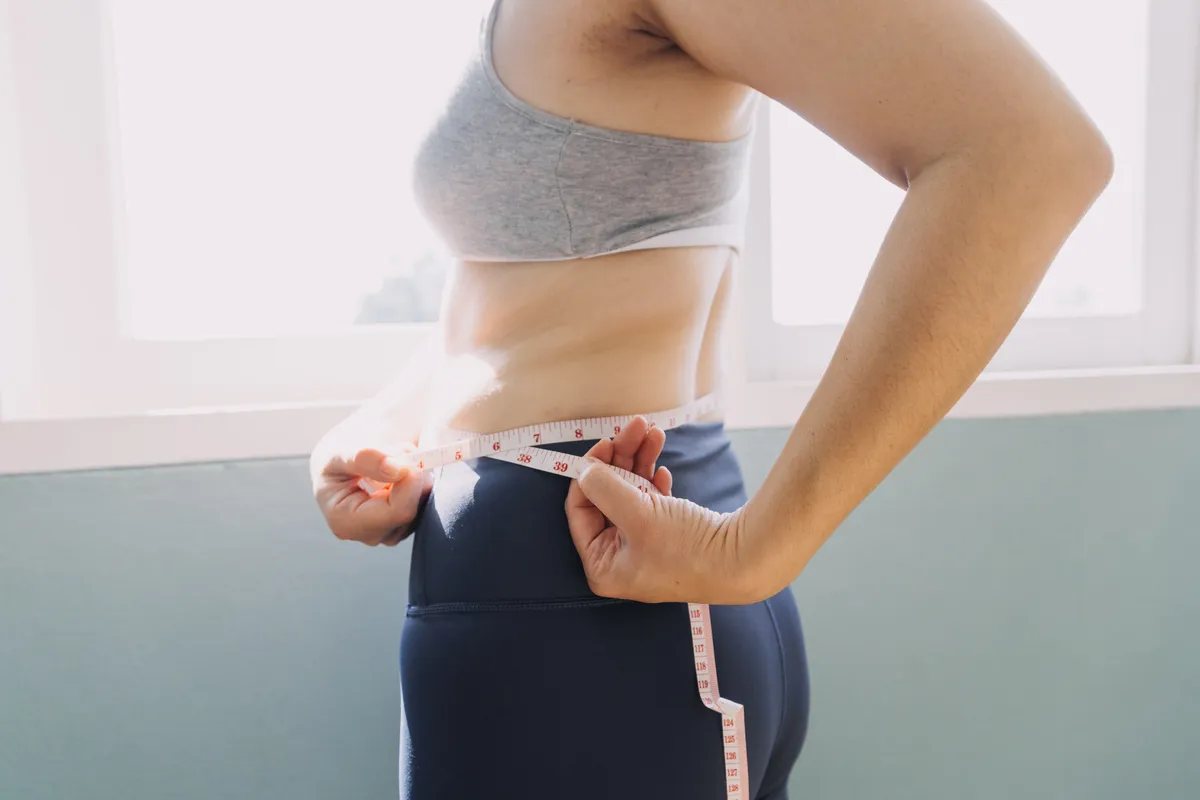
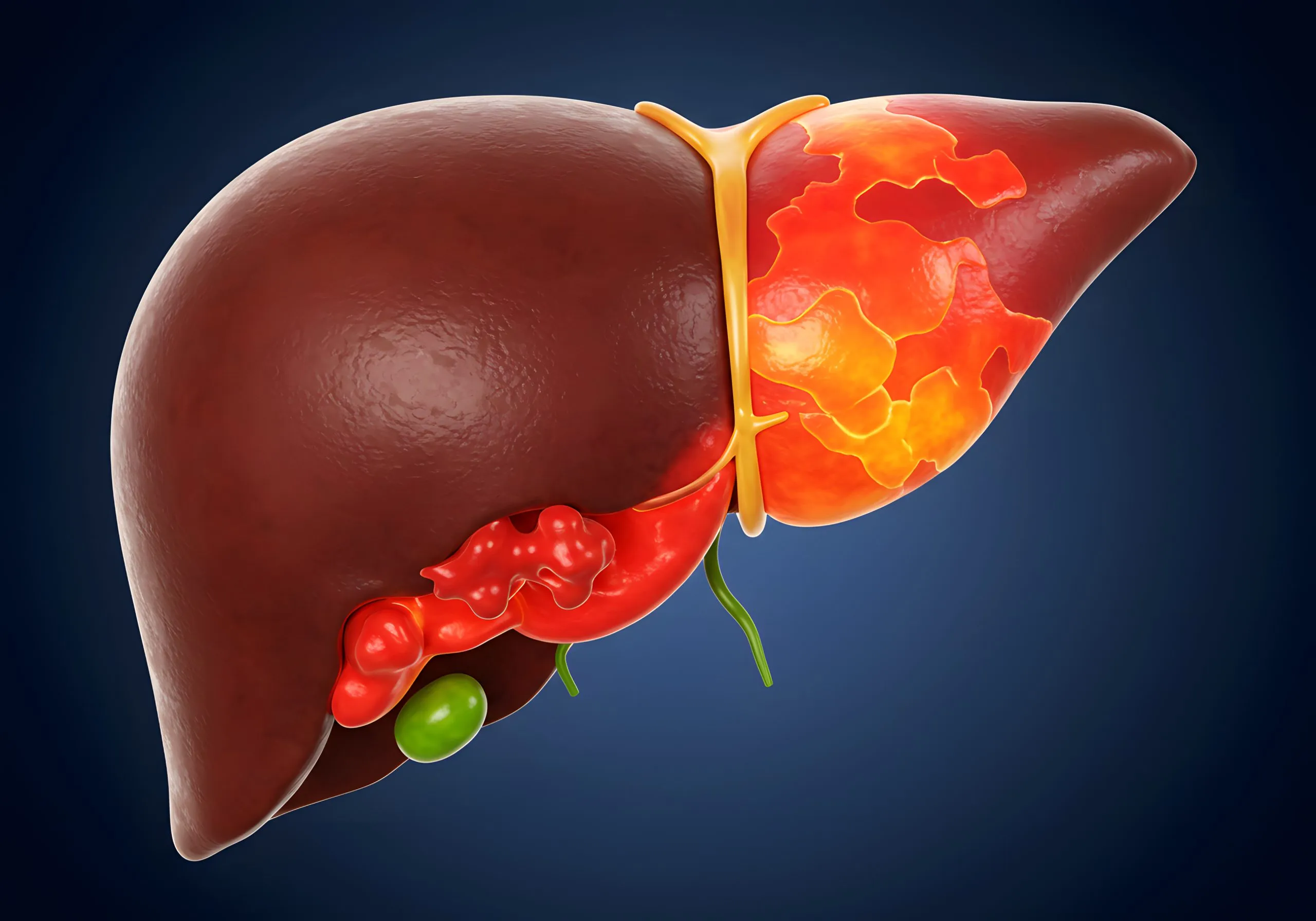
Our diet plays the most critical role in liver health. What we eat and drink affects our liver directly, and that can be either good or very bad. Unhealthy food and alcoholic beverages are the prevailing cause of almost all cases of cirrhosis and fatty liver disease. The same happens if we strive to have better health and follow a liver-healthy diet that protects the digestive system, where the liver is the protagonist. We can even heal or prevent many illnesses by having good dietary habits.
The liver plays a critical role in detoxification, metabolism, and nutrient storage. It helps filter toxins from the blood, processes medications, regulates cholesterol, and stores essential vitamins and minerals. Supporting liver health through diet may help reduce inflammation and lower the risk of liver-related conditions over time.
(National Institute of Diabetes and Digestive and Kidney Diseases; Mayo Clinic)
This article zeroes in on 14 specific foods that can easily be incorporated into our diet to support and sustain a healthy liver.
1. Avocado
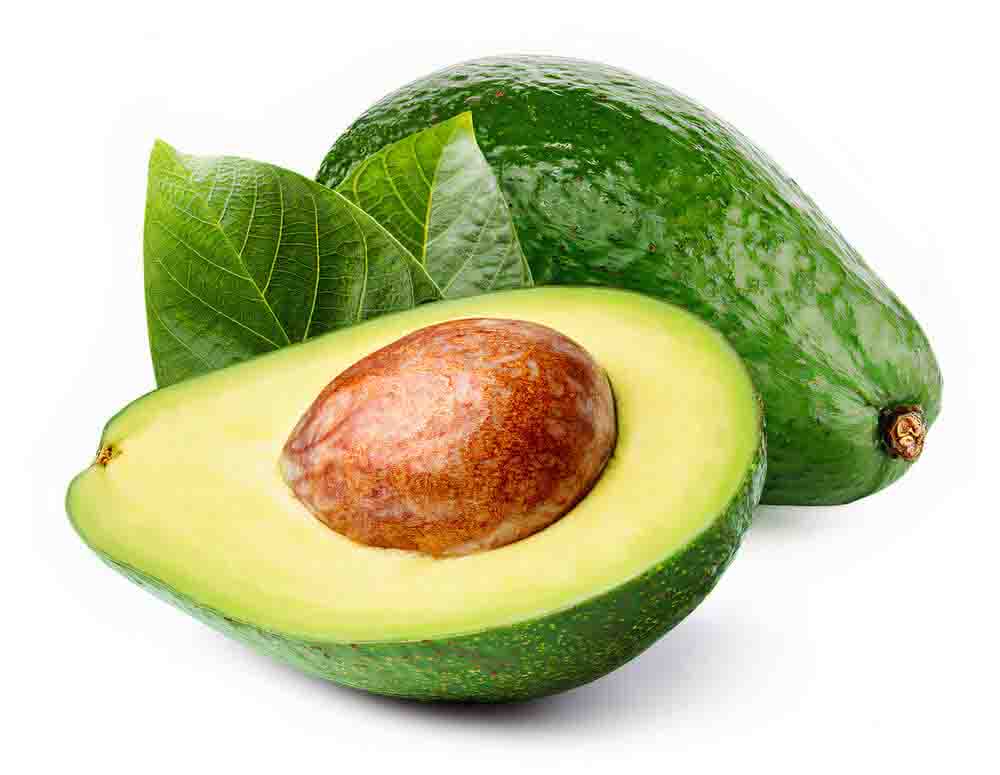
The Journal of Gastroenterology published a chart of some foods with their mechanisms of action. This review included avocados and mentioned that they give a sensation of satiety, reduce blood glucose levels, and stop oxidative stress in many types of cells and tissues. That includes the liver both directly and indirectly. The liver creates cholesterol particles HDL and LDL, and will perform better with healthy fatty acids from avocados.
Oxidative stress is a significant problem in the liver. The organ is in charge of dealing with many toxic agents, and some trigger free radicals. Avocados can help here and provide liver protection.
2. Fish
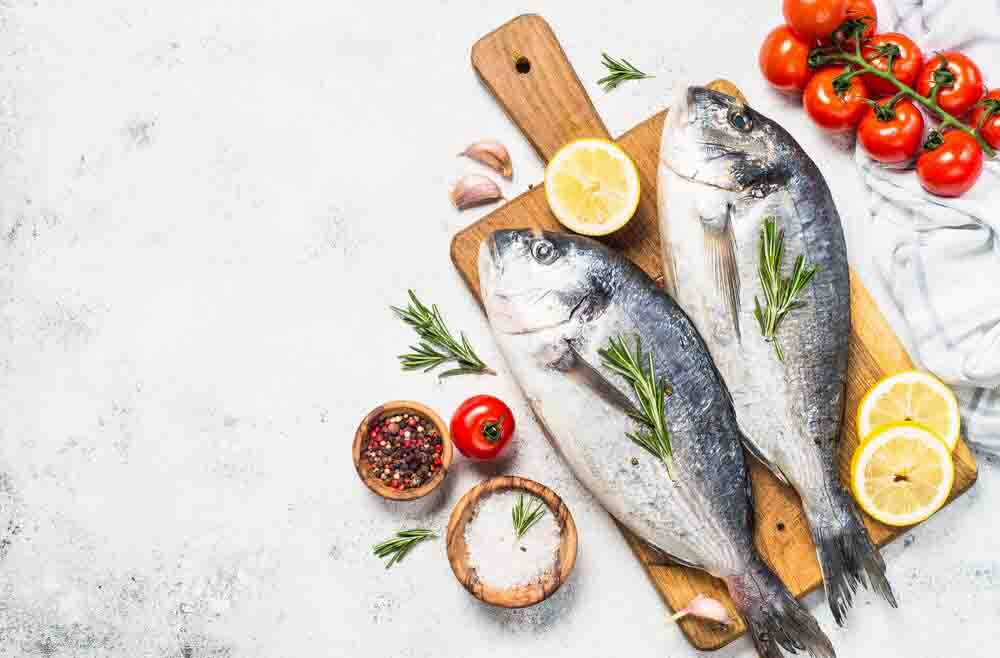
There are plenty of reasons to put fish on the top of the list. For starters, fish is white meat, very low in saturated fats, and rich in healthy oils such as omega-3. This type of fat not only metabolizes quickly and restores many body tissues but also balances the chemicals in the liver.
Oily fish increases insulin sensitivity, reduces inflammation, and lowers blood pressure. Omega-3 in fish has a vital role in the reduction of lipid accumulation in the liver and elsewhere.
3. Nuts
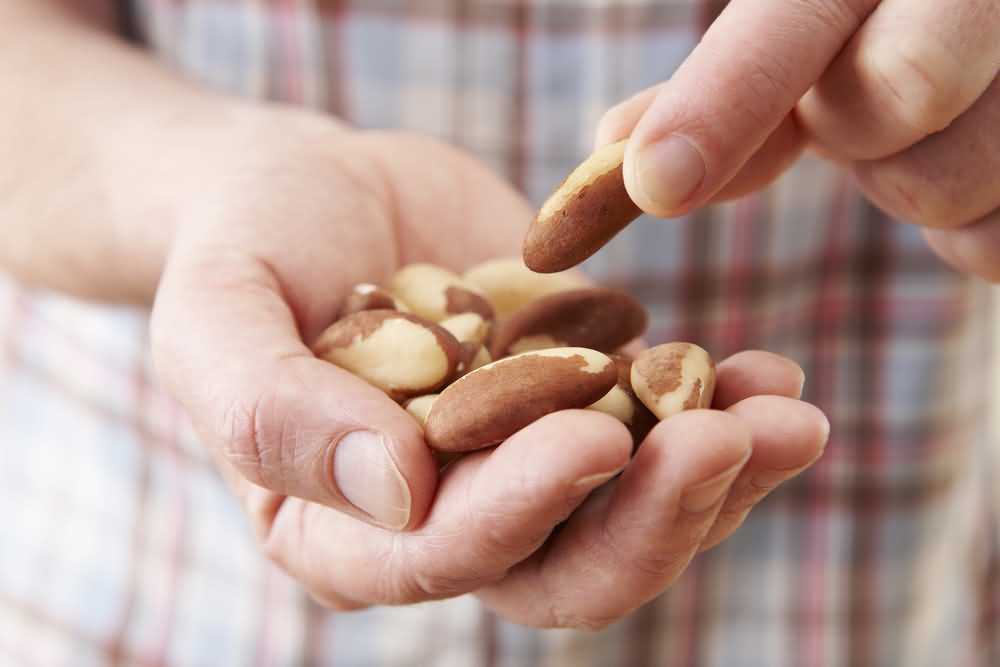
beware of the high-calories index of most nuts as peanuts, hazelnuts, almonds, and walnuts. But if you consume nuts moderately, they are rich in vitamin E and antioxidants.
Beware of recipes that include fat or too much salt or sugar in the equation. They are crunchy and palatable but just prefer to eat clean and fresh nuts without abusing them.
4. Lemons
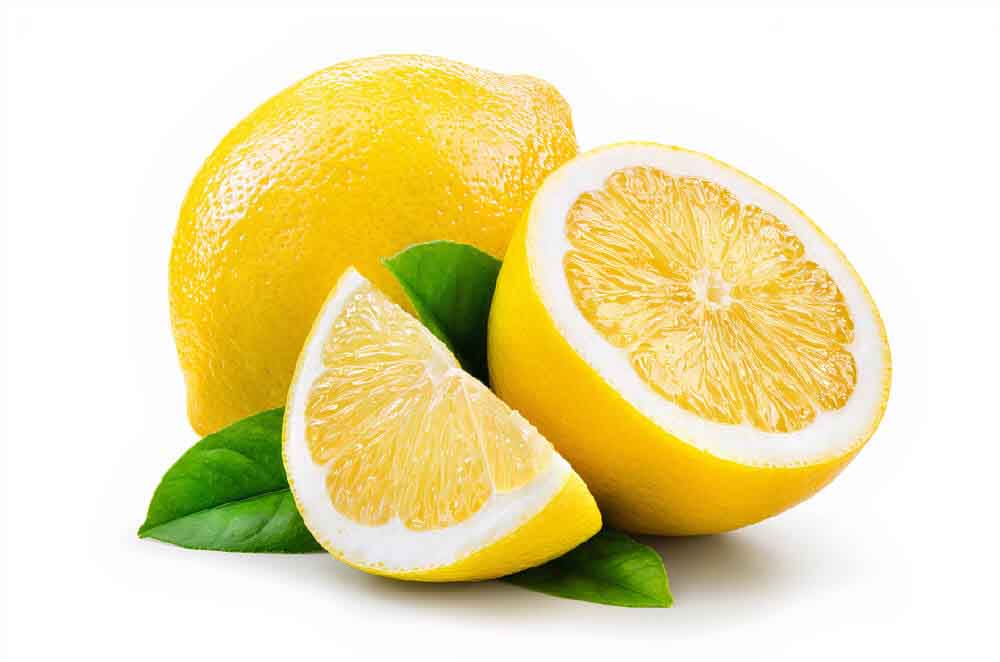
This fruit activates the process of getting away from harmful toxins. Vitamin C is also fundamental for liver balance and collagen formation. Grapefruits and oranges are also a part of this, but not as much as lemons. Remember not to use sugar, though. Instead, try to use it on soups, salads, dressings, or smoothies.
5. Cucumber
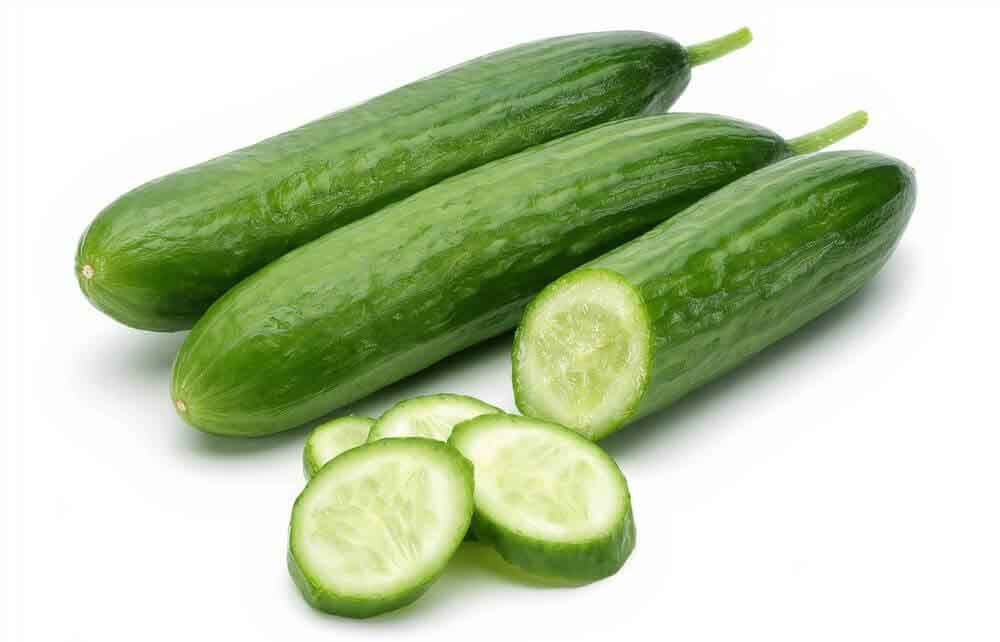
Food rich in water and antioxidants not only offers a sensation of satiety. They are also low in fats and help to flush out toxins. Cucumber is particularly good at this point, activating liver processes that contribute to the secretion of enzymes that transform energy for the cells and run the toxicity out. Some other products filling the description could be eggplants, pumpkins, squashes, and zucchinis.
Cucumber and zucchinis may be served cooked or raw, but it will be better if they are fresh and non-cooked. They taste great in salads and smoothies, as a side dish or part of the main course.
Brown rice
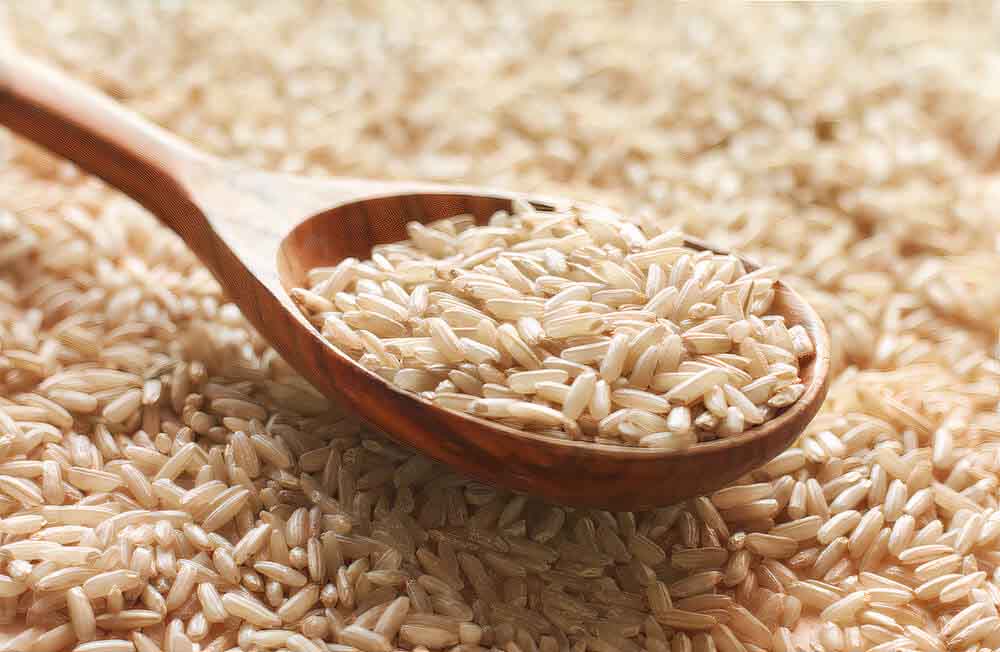
Unlike refined and white rice, this one is rich in fiber; it has around four times more fiber than white rice. Refined options have a much lower nutritional value than brown rice, which also contains more protein, approximately 30% extra proteins in some cases.
White rice is a processed grain with a very high glucose index. It has practically no antioxidants. Meanwhile, brown rice provides us with phenolic acids, anthocyanins, and tocopherols. All of them are valuable compounds that trigger antioxidant effects. Antioxidants protect the liver, high fiber content helps the liver control blood fat levels, and the extra protein is a great addition to synthesize more enzymes.
Lentils
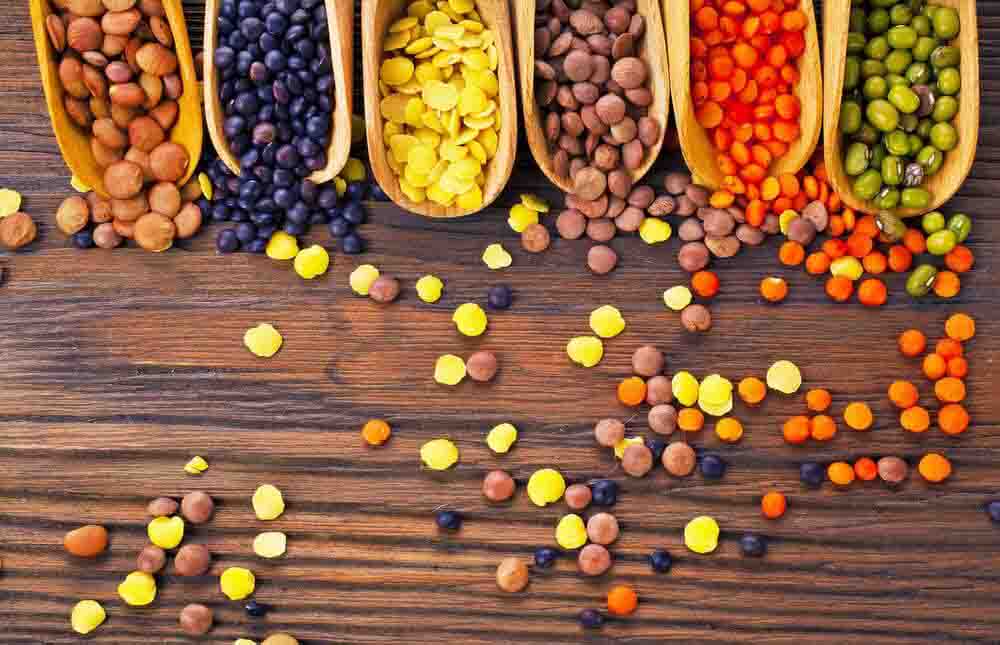
This tiny bean is an excellent protein source that comes with an acceptable quantity of fiber. It has fewer carbs than other legumes and does not alter the chemical activities of the liver. Furthermore, lentils are more comfortable to digest than the rest of legumes, which are usually denser and absorb less water. Lentils work great as a red meat substitute and are wide cheaper than pork or beef.
Coffee
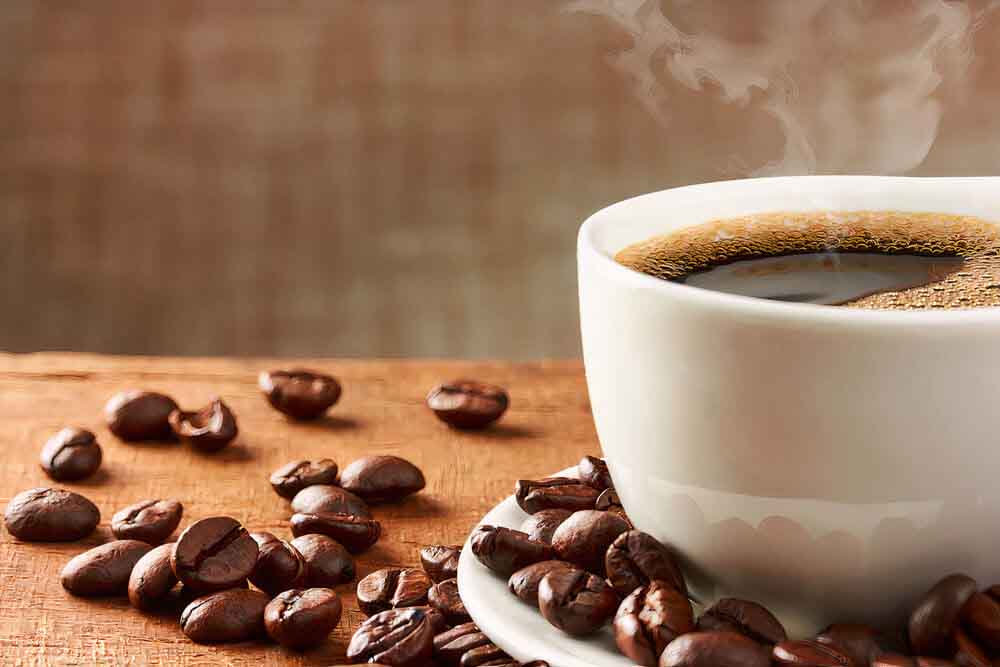
Regular coffee consumption has been consistently linked to better liver health. Studies suggest that drinking coffee may lower the risk of liver fibrosis, cirrhosis, and liver cancer by reducing inflammation and slowing the buildup of scar tissue in the liver.
(National Institute of Diabetes and Digestive and Kidney Diseases; American Liver Foundation; Mayo Clinic)
Garlic
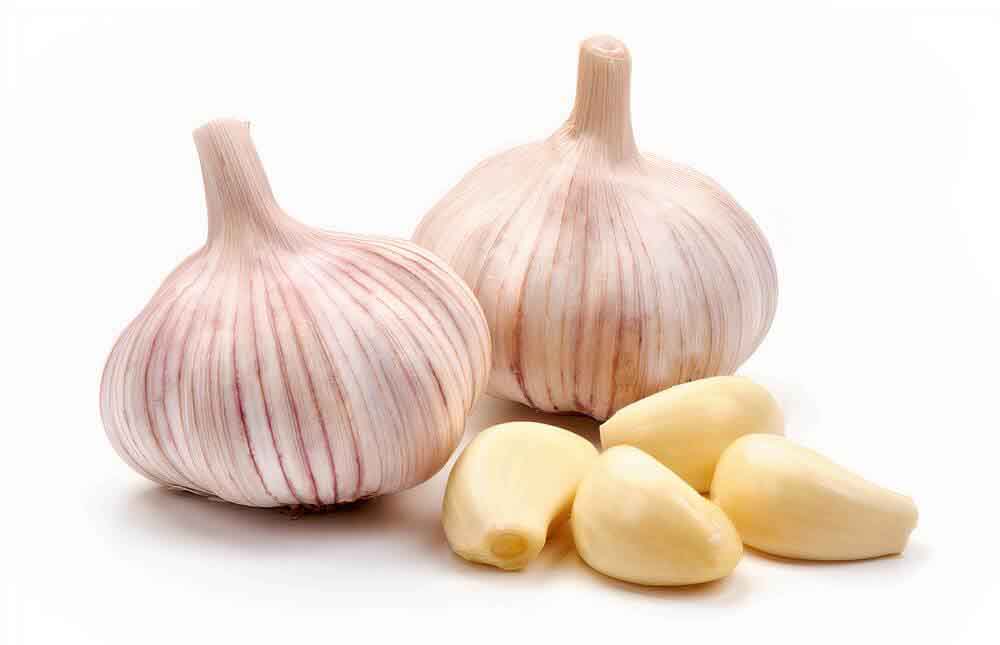
This spice is excellent for flavoring salty foods. Plus, it is antibacterial, rich in sulfur, antioxidants, and other basic compounds, and it helps balance body temperature. Garlic is rich in selenium, which activates enzyme production to cleanse the liver. This plant provides alliin and arginine. Many studies confirm garlic as a potent body fat reducer, mostly from the fat buildup in the organic tissue, especially the liver, pancreas, and kidneys. It also reduces blood levels of low-density lipoprotein, the so-called bad cholesterol.
Acetaminophen is toxic for the liver in high concentrations, and many pain relievers can lead to liver damage. But an acetaminophen overdose can be countered with fresh garlic. This spice reduces oxidative stress and the toxins, particularly bilirubin, a waste product of cellular breakdown in the liver.
Garlic contains sulfur-containing compounds that activate enzymes involved in liver detoxification. It is also a source of antioxidants that may help reduce oxidative stress, which can contribute to liver damage over time.
(National Institutes of Health; Cleveland Clinic)
Green tea
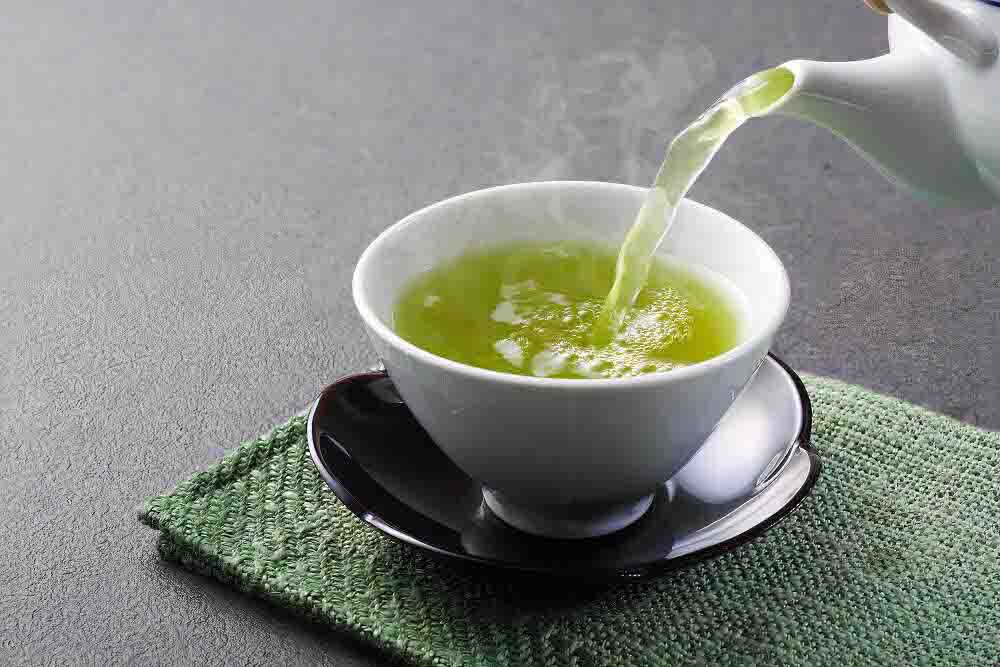
The antioxidant effects of green tea are not limited to the skin and hair. These benefits have been studied in vital organs, and everything indicates good results for liver health as well. People who drink more than five cups of green tea a day have better results in liver enzyme tests, as well as cholesterol, triglycerides, and atherogenic index.
Black tea is not the same and sometimes has opposite effects. So, it is better to stay with green tea.
Oats
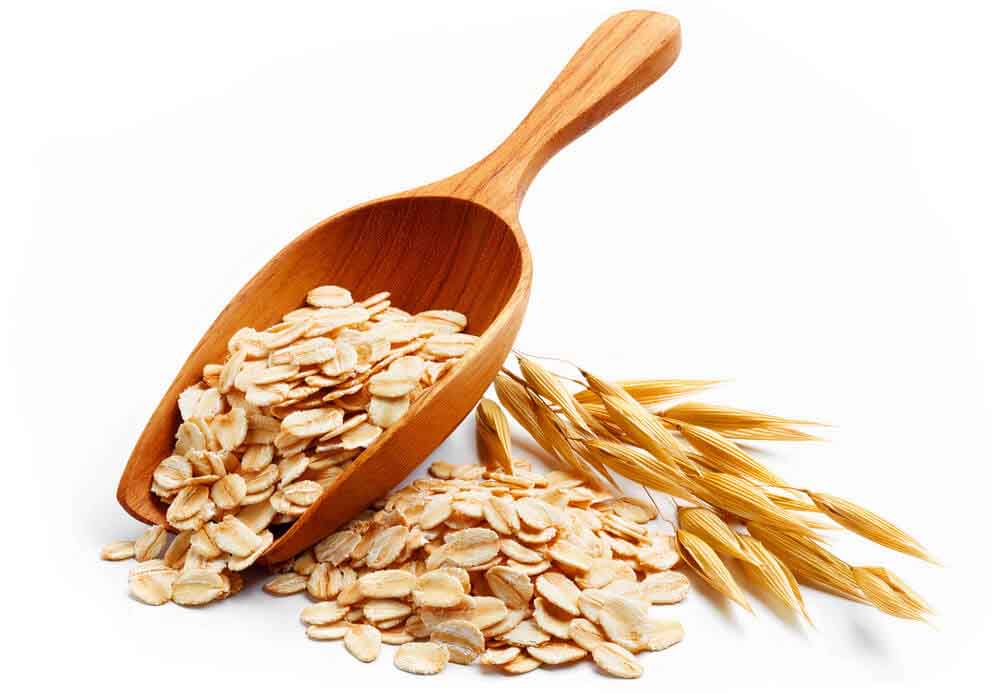
Oat is a nutritious food and sometimes considered one of the cheapest superfoods around. This is due to its beta-glucans, which may reduce inflammation and fat accumulation in the liver. Oatmeal is rich in fiber and stimulates nutrient absorption. It can be taken alone, with milk or fruit, as a beverage, as a pottage, or as a full meal.
Potatoes
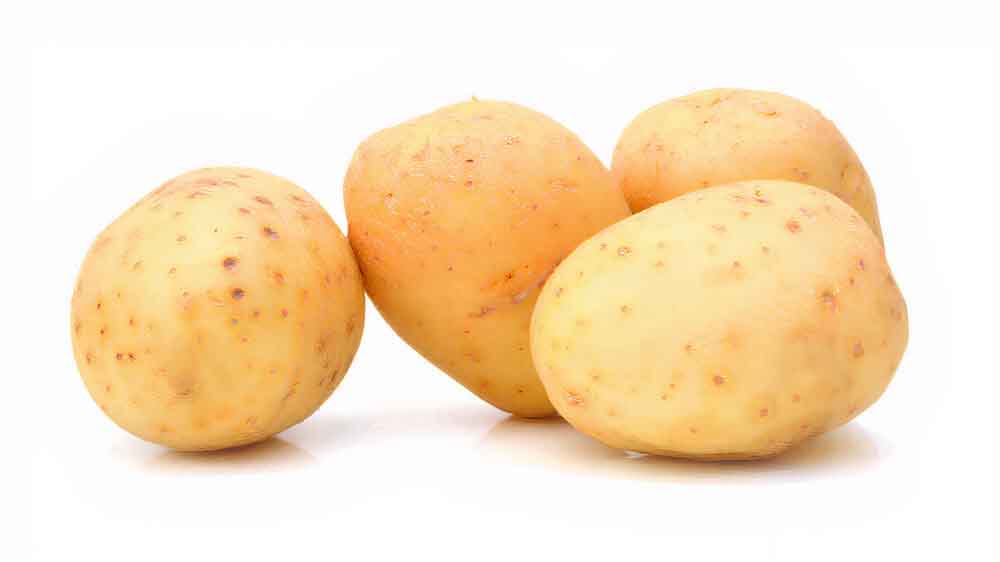
Refined flour and starchy food could lead to fatty liver disease and reduce insulin sensitivity, but potatoes are a good source of carbs. They are rich in elaborated starch and metabolize slowly, providing energy throughout the process of digestion. The same applies to other similar foods such as yams, sweet potatoes, turnips, carrots, rutabaga, radishes, horseradish, and other roots.
Broccoli

We must mention these greens because they have been shown to protect the liver from liver fat buildup. This factor could be associated with other cruciferous greens like kale, Brussels sprouts, and spinach. These plants promote glucosinate synthesis, a substance that eliminates toxins that could easily store in the liver and produce cancer.
Yogurt
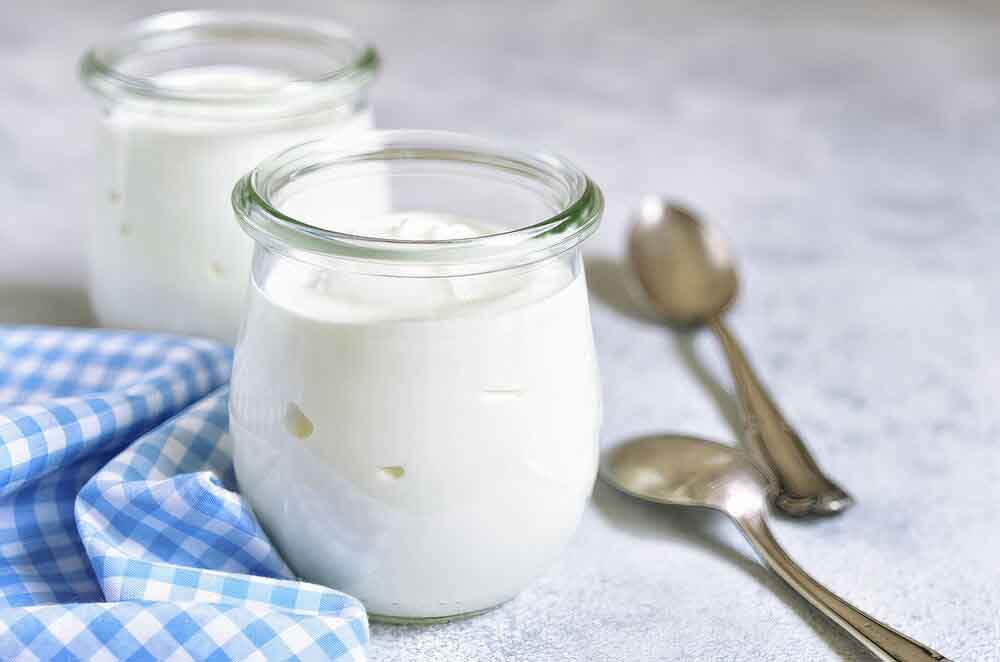
Whole milk is fatty and makes the liver work harder. Yogurt, instead, is a healthy alternative if taken consciously. This food is not as difficult to process as whole milk, even in people who are intolerant to lactose. Moreover, eating yogurt instead of whole milk can lower the risk of fatty liver disease. Yogurt is a good option for calcium intake, but never forget that commercial presentations often are sweetened. It is better if it is bitter or made up of skim milk. So, if you’re going for yogurt, be sure to read the label.
Another popular product that’s trending right now is..
Bloom Nutrition Super Greens Powder Smoothie & Juice Mix
These are all just suggestions based on what medicine and experience have found practical and beneficial. Some dietary changes and recommendations could help or work better on some individuals than others. Any doctor will agree that the best way to prevent liver diseases is to eat well, have a healthy diet, not drink too much alcohol and avoid excesses.
Exercise is another milestone for health and general wellbeing. In cases of proven liver disease, the doctor will determine the best course of treatment and probably advise some of the elements considered above. They are easy to get, part of common or popular dietary habits worldwide, and not too expensive.
- Written by: Cassandra Williams, Health Editor
Reviewed by: A2ZHealthy Editorial Team
Last Updated: January 26, 2026
Our diet plays the most critical role in liver health. What we eat and drink affects our liver directly, and that can be either good or very bad. Unhealthy food and alcoholic beverages are the prevailing cause of almost all cases of cirrhosis and fatty liver disease. The same happens if we strive to have better health and follow a liver-healthy diet that protects the digestive system, where the liver is the protagonist. We can even heal or prevent many illnesses by having good dietary habits.
The liver plays a critical role in detoxification, metabolism, and nutrient storage. It helps filter toxins from the blood, processes medications, regulates cholesterol, and stores essential vitamins and minerals. Supporting liver health through diet may help reduce inflammation and lower the risk of liver-related conditions over time.
(National Institute of Diabetes and Digestive and Kidney Diseases; Mayo Clinic)
This article zeroes in on 14 specific foods that can easily be incorporated into our diet to support and sustain a healthy liver.
1. Avocado
The Journal of Gastroenterology published a chart of some foods with their mechanisms of action. This review included avocados and mentioned that they give a sensation of satiety, reduce blood glucose levels, and stop oxidative stress in many types of cells and tissues. That includes the liver both directly and indirectly. The liver creates cholesterol particles HDL and LDL, and will perform better with healthy fatty acids from avocados.
Oxidative stress is a significant problem in the liver. The organ is in charge of dealing with many toxic agents, and some trigger free radicals. Avocados can help here and provide liver protection.
2. Fish
There are plenty of reasons to put fish on the top of the list. For starters, fish is white meat, very low in saturated fats, and rich in healthy oils such as omega-3. This type of fat not only metabolizes quickly and restores many body tissues but also balances the chemicals in the liver.
Oily fish increases insulin sensitivity, reduces inflammation, and lowers blood pressure. Omega-3 in fish has a vital role in the reduction of lipid accumulation in the liver and elsewhere.
3. Nuts
beware of the high-calories index of most nuts as peanuts, hazelnuts, almonds, and walnuts. But if you consume nuts moderately, they are rich in vitamin E and antioxidants.
Beware of recipes that include fat or too much salt or sugar in the equation. They are crunchy and palatable but just prefer to eat clean and fresh nuts without abusing them.
4. Lemons
This fruit activates the process of getting away from harmful toxins. Vitamin C is also fundamental for liver balance and collagen formation. Grapefruits and oranges are also a part of this, but not as much as lemons. Remember not to use sugar, though. Instead, try to use it on soups, salads, dressings, or smoothies.
5. Cucumber
Food rich in water and antioxidants not only offers a sensation of satiety. They are also low in fats and help to flush out toxins. Cucumber is particularly good at this point, activating liver processes that contribute to the secretion of enzymes that transform energy for the cells and run the toxicity out. Some other products filling the description could be eggplants, pumpkins, squashes, and zucchinis.
Cucumber and zucchinis may be served cooked or raw, but it will be better if they are fresh and non-cooked. They taste great in salads and smoothies, as a side dish or part of the main course.
Brown rice
Unlike refined and white rice, this one is rich in fiber; it has around four times more fiber than white rice. Refined options have a much lower nutritional value than brown rice, which also contains more protein, approximately 30% extra proteins in some cases.
White rice is a processed grain with a very high glucose index. It has practically no antioxidants. Meanwhile, brown rice provides us with phenolic acids, anthocyanins, and tocopherols. All of them are valuable compounds that trigger antioxidant effects. Antioxidants protect the liver, high fiber content helps the liver control blood fat levels, and the extra protein is a great addition to synthesize more enzymes.
Lentils
This tiny bean is an excellent protein source that comes with an acceptable quantity of fiber. It has fewer carbs than other legumes and does not alter the chemical activities of the liver. Furthermore, lentils are more comfortable to digest than the rest of legumes, which are usually denser and absorb less water. Lentils work great as a red meat substitute and are wide cheaper than pork or beef.
Coffee
There is little evidence, but it seems that black coffee may protect the liver against fatty liver disease. Coffee interacts with hepatic enzymes and makes them work appropriately. Other researches indicate that coffee is useful to prevent specific forms of liver cancer. More than thirty years ago, the medical community already thought that drinking coffee had protective effects against non-alcoholic fatty liver disease and cirrhosis progression.
Caffeine has been shown to intervene directly in lower risks of elevated aminotransferases. Many researchers indicate caffeine may accelerate fatty acid oxidation, especially for omega-6, which favors inflammation and collagen deposition in the liver.
Garlic
This spice is excellent for flavoring salty foods. Plus, it is antibacterial, rich in sulfur, antioxidants, and other basic compounds, and it helps balance body temperature. Garlic is rich in selenium, which activates enzyme production to cleanse the liver. This plant provides alliin and arginine. Many studies confirm garlic as a potent body fat reducer, mostly from the fat buildup in the organic tissue, especially the liver, pancreas, and kidneys. It also reduces blood levels of low-density lipoprotein, the so-called bad cholesterol.
Acetaminophen is toxic for the liver in high concentrations, and many pain relievers can lead to liver damage. But an acetaminophen overdose can be countered with fresh garlic. This spice reduces oxidative stress and the toxins, particularly bilirubin, a waste product of cellular breakdown in the liver.
Green tea
The antioxidant effects of green tea are not limited to the skin and hair. These benefits have been studied in vital organs, and everything indicates good results for liver health as well. People who drink more than five cups of green tea a day have better results in liver enzyme tests, as well as cholesterol, triglycerides, and atherogenic index.
Black tea is not the same and sometimes has opposite effects. So, it is better to stay with green tea.
Oats
Oat is a nutritious food and sometimes considered one of the cheapest superfoods around. This is due to its beta-glucans, which may reduce inflammation and fat accumulation in the liver. Oatmeal is rich in fiber and stimulates nutrient absorption. It can be taken alone, with milk or fruit, as a beverage, as a pottage, or as a full meal.
Potatoes
Refined flour and starchy food could lead to fatty liver disease and reduce insulin sensitivity, but potatoes are a good source of carbs. They are rich in elaborated starch and metabolize slowly, providing energy throughout the process of digestion. The same applies to other similar foods such as yams, sweet potatoes, turnips, carrots, rutabaga, radishes, horseradish, and other roots.
Broccoli
We must mention these greens because they have been shown to protect the liver from liver fat buildup. This factor could be associated with other cruciferous greens like kale, Brussels sprouts, and spinach. These plants promote glucosinate synthesis, a substance that eliminates toxins that could easily store in the liver and produce cancer.
Yogurt
Whole milk is fatty and makes the liver work harder. Yogurt, instead, is a healthy alternative if taken consciously. This food is not as difficult to process as whole milk, even in people who are intolerant to lactose. Moreover, eating yogurt instead of whole milk can lower the risk of fatty liver disease. Yogurt is a good option for calcium intake, but never forget that commercial presentations often are sweetened. It is better if it is bitter or made up of skim milk. So, if you’re going for yogurt, be sure to read the label.
Another popular product that’s trending right now is..
Bloom Nutrition Super Greens Powder Smoothie & Juice Mix
These are all just suggestions based on what medicine and experience have found practical and beneficial. Some dietary changes and recommendations could help or work better on some individuals than others. Any doctor will agree that the best way to prevent liver diseases is to eat well, have a healthy diet, not drink too much alcohol and avoid excesses.
Exercise is another milestone for health and general wellbeing. In cases of proven liver disease, the doctor will determine the best course of treatment and probably advise some of the elements considered above. They are easy to get, part of common or popular dietary habits worldwide, and not too expensive.
- Written by: Cassandra Williams, Health Editor
Reviewed by: A2ZHealthy Editorial Team
Last Updated: January 26, 2026
Our diet plays the most critical role in liver health. What we eat and drink affects our liver directly, and that can be either good or very bad. Unhealthy food and alcoholic beverages are the prevailing cause of almost all cases of cirrhosis and fatty liver disease. The same happens if we strive to have better health and follow a liver-healthy diet that protects the digestive system, where the liver is the protagonist. We can even heal or prevent many illnesses by having good dietary habits.
The liver plays a critical role in detoxification, metabolism, and nutrient storage. It helps filter toxins from the blood, processes medications, regulates cholesterol, and stores essential vitamins and minerals. Supporting liver health through diet may help reduce inflammation and lower the risk of liver-related conditions over time.
(National Institute of Diabetes and Digestive and Kidney Diseases; Mayo Clinic)
This article zeroes in on 14 specific foods that can easily be incorporated into our diet to support and sustain a healthy liver.
1. Avocado
The Journal of Gastroenterology published a chart of some foods with their mechanisms of action. This review included avocados and mentioned that they give a sensation of satiety, reduce blood glucose levels, and stop oxidative stress in many types of cells and tissues. That includes the liver both directly and indirectly. The liver creates cholesterol particles HDL and LDL, and will perform better with healthy fatty acids from avocados.
Oxidative stress is a significant problem in the liver. The organ is in charge of dealing with many toxic agents, and some trigger free radicals. Avocados can help here and provide liver protection.
2. Fish
There are plenty of reasons to put fish on the top of the list. For starters, fish is white meat, very low in saturated fats, and rich in healthy oils such as omega-3. This type of fat not only metabolizes quickly and restores many body tissues but also balances the chemicals in the liver.
Oily fish increases insulin sensitivity, reduces inflammation, and lowers blood pressure. Omega-3 in fish has a vital role in the reduction of lipid accumulation in the liver and elsewhere.
3. Nuts
beware of the high-calories index of most nuts as peanuts, hazelnuts, almonds, and walnuts. But if you consume nuts moderately, they are rich in vitamin E and antioxidants.
Beware of recipes that include fat or too much salt or sugar in the equation. They are crunchy and palatable but just prefer to eat clean and fresh nuts without abusing them.
4. Lemons
This fruit activates the process of getting away from harmful toxins. Vitamin C is also fundamental for liver balance and collagen formation. Grapefruits and oranges are also a part of this, but not as much as lemons. Remember not to use sugar, though. Instead, try to use it on soups, salads, dressings, or smoothies.
5. Cucumber
Food rich in water and antioxidants not only offers a sensation of satiety. They are also low in fats and help to flush out toxins. Cucumber is particularly good at this point, activating liver processes that contribute to the secretion of enzymes that transform energy for the cells and run the toxicity out. Some other products filling the description could be eggplants, pumpkins, squashes, and zucchinis.
Cucumber and zucchinis may be served cooked or raw, but it will be better if they are fresh and non-cooked. They taste great in salads and smoothies, as a side dish or part of the main course.
Brown rice
Unlike refined and white rice, this one is rich in fiber; it has around four times more fiber than white rice. Refined options have a much lower nutritional value than brown rice, which also contains more protein, approximately 30% extra proteins in some cases.
White rice is a processed grain with a very high glucose index. It has practically no antioxidants. Meanwhile, brown rice provides us with phenolic acids, anthocyanins, and tocopherols. All of them are valuable compounds that trigger antioxidant effects. Antioxidants protect the liver, high fiber content helps the liver control blood fat levels, and the extra protein is a great addition to synthesize more enzymes.
Lentils
This tiny bean is an excellent protein source that comes with an acceptable quantity of fiber. It has fewer carbs than other legumes and does not alter the chemical activities of the liver. Furthermore, lentils are more comfortable to digest than the rest of legumes, which are usually denser and absorb less water. Lentils work great as a red meat substitute and are wide cheaper than pork or beef.
Coffee
There is little evidence, but it seems that black coffee may protect the liver against fatty liver disease. Coffee interacts with hepatic enzymes and makes them work appropriately. Other researches indicate that coffee is useful to prevent specific forms of liver cancer. More than thirty years ago, the medical community already thought that drinking coffee had protective effects against non-alcoholic fatty liver disease and cirrhosis progression.
Caffeine has been shown to intervene directly in lower risks of elevated aminotransferases. Many researchers indicate caffeine may accelerate fatty acid oxidation, especially for omega-6, which favors inflammation and collagen deposition in the liver.
Garlic
This spice is excellent for flavoring salty foods. Plus, it is antibacterial, rich in sulfur, antioxidants, and other basic compounds, and it helps balance body temperature. Garlic is rich in selenium, which activates enzyme production to cleanse the liver. This plant provides alliin and arginine. Many studies confirm garlic as a potent body fat reducer, mostly from the fat buildup in the organic tissue, especially the liver, pancreas, and kidneys. It also reduces blood levels of low-density lipoprotein, the so-called bad cholesterol.
Acetaminophen is toxic for the liver in high concentrations, and many pain relievers can lead to liver damage. But an acetaminophen overdose can be countered with fresh garlic. This spice reduces oxidative stress and the toxins, particularly bilirubin, a waste product of cellular breakdown in the liver.
Green tea
The antioxidant effects of green tea are not limited to the skin and hair. These benefits have been studied in vital organs, and everything indicates good results for liver health as well. People who drink more than five cups of green tea a day have better results in liver enzyme tests, as well as cholesterol, triglycerides, and atherogenic index.
Black tea is not the same and sometimes has opposite effects. So, it is better to stay with green tea.
Oats
Oat is a nutritious food and sometimes considered one of the cheapest superfoods around. This is due to its beta-glucans, which may reduce inflammation and fat accumulation in the liver. Oatmeal is rich in fiber and stimulates nutrient absorption. It can be taken alone, with milk or fruit, as a beverage, as a pottage, or as a full meal.
Potatoes
Refined flour and starchy food could lead to fatty liver disease and reduce insulin sensitivity, but potatoes are a good source of carbs. They are rich in elaborated starch and metabolize slowly, providing energy throughout the process of digestion. The same applies to other similar foods such as yams, sweet potatoes, turnips, carrots, rutabaga, radishes, horseradish, and other roots.
Broccoli
We must mention these greens because they have been shown to protect the liver from liver fat buildup. This factor could be associated with other cruciferous greens like kale, Brussels sprouts, and spinach. These plants promote glucosinate synthesis, a substance that eliminates toxins that could easily store in the liver and produce cancer.
Yogurt
Whole milk is fatty and makes the liver work harder. Yogurt, instead, is a healthy alternative if taken consciously. This food is not as difficult to process as whole milk, even in people who are intolerant to lactose. Moreover, eating yogurt instead of whole milk can lower the risk of fatty liver disease. Yogurt is a good option for calcium intake, but never forget that commercial presentations often are sweetened. It is better if it is bitter or made up of skim milk. So, if you’re going for yogurt, be sure to read the label.
Another popular product that’s trending right now is..
Bloom Nutrition Super Greens Powder Smoothie & Juice Mix
These are all just suggestions based on what medicine and experience have found practical and beneficial. Some dietary changes and recommendations could help or work better on some individuals than others. Any doctor will agree that the best way to prevent liver diseases is to eat well, have a healthy diet, not drink too much alcohol and avoid excesses.
Exercise is another milestone for health and general wellbeing. In cases of proven liver disease, the doctor will determine the best course of treatment and probably advise some of the elements considered above. They are easy to get, part of common or popular dietary habits worldwide, and not too expensive.