Skip to content
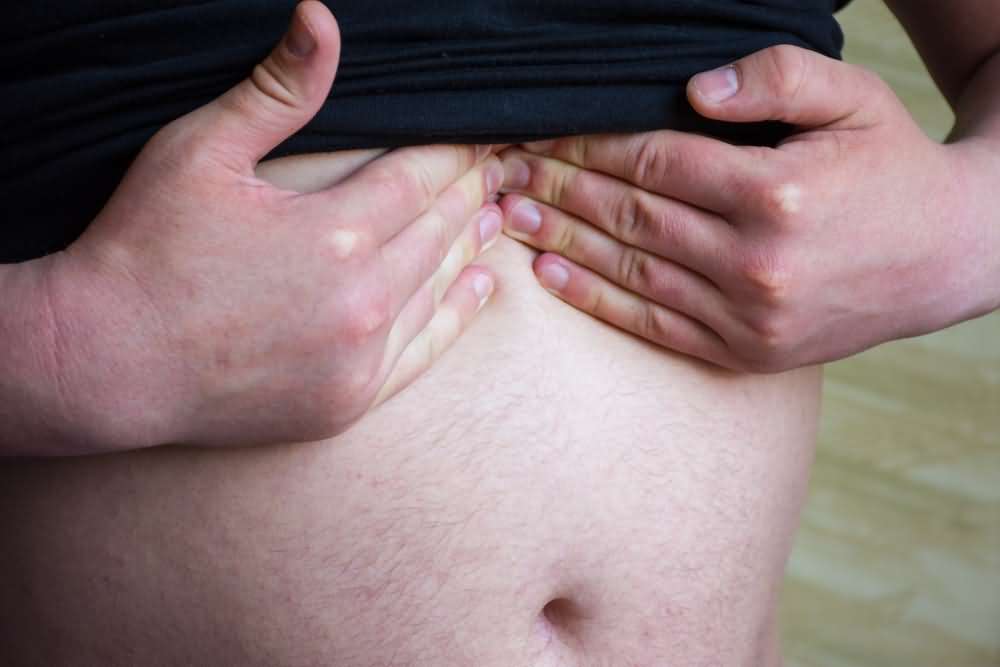
Liver pain after drinking and eating
Eating and drinking shouldn’t be painful at all. It is actually a pleasing experience we want to repeat. So, if you start having pain in your upper right quadrant after eating or drinking, you might wonder what is happening.
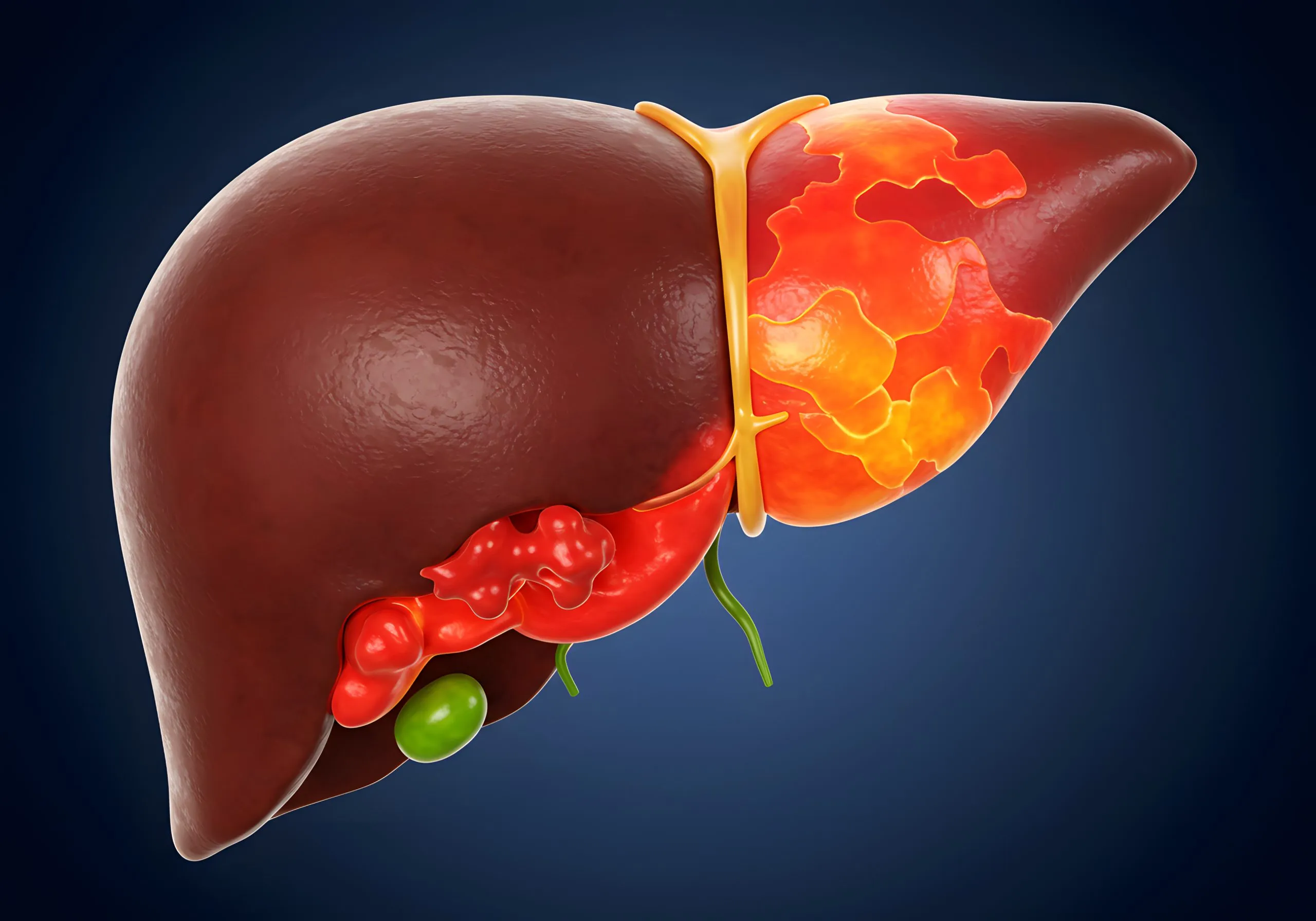
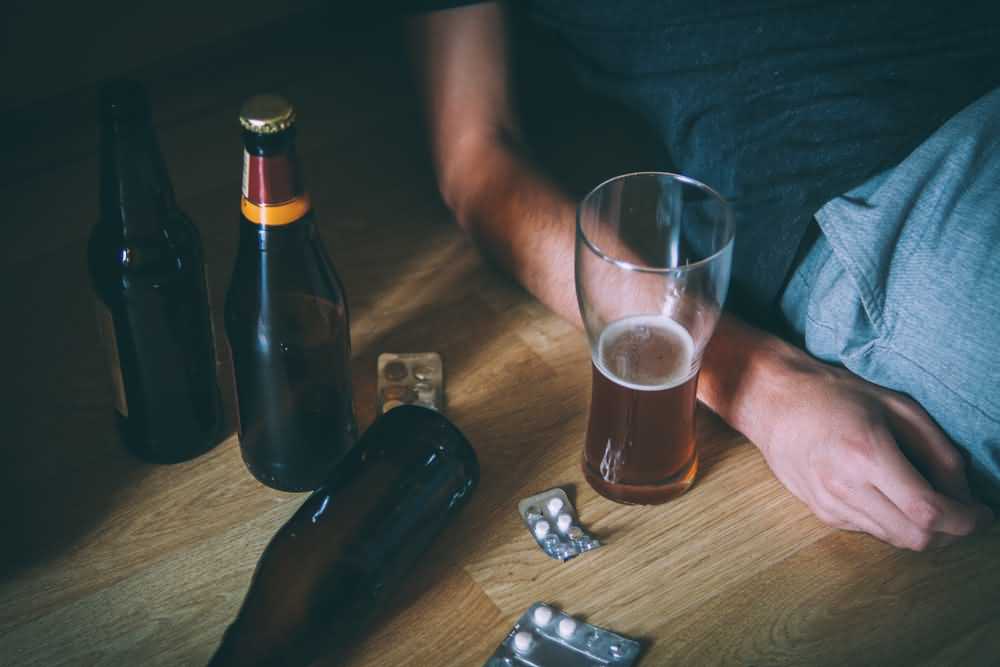
Drinking alcohol creates direct stress in the liver. After being absorbed by the intestines, alcohol goes through the portal vein, which flows to the liver before reaching general circulation. This is called first-pass metabolism when everything you eat and drink goes through the liver after being absorbed by the gut.
Once in the liver, alcohol triggers a set of enzymes designed to eliminate the toxin right away. Consuming more alcohol keeps the liver busy trying to catch up, but if you keep drinking, it will become overwhelmed. People with a baseline liver disease have a lower tolerance to alcohol because their enzyme levels are lower than usual. They are rapidly overwhelmed. Moreover, they now do not have the defense mechanisms to protect the liver from the free radicals created by alcohol. That is why drinking alcohol may cause liver pain in patients with a baseline liver disease.
On the other hand, liver pain after eating is often caused by problems in your gallbladder. The gallbladder contracts when you eat fatty foods in order to release bile, which helps digest fatty acids. But if you have gallstones, this contraction can be painful, especially if these gallbladder stones move and become stuck in the bile ducts. A blockage in the bile ducts is a medical emergency and should be evaluated and treated immediately.