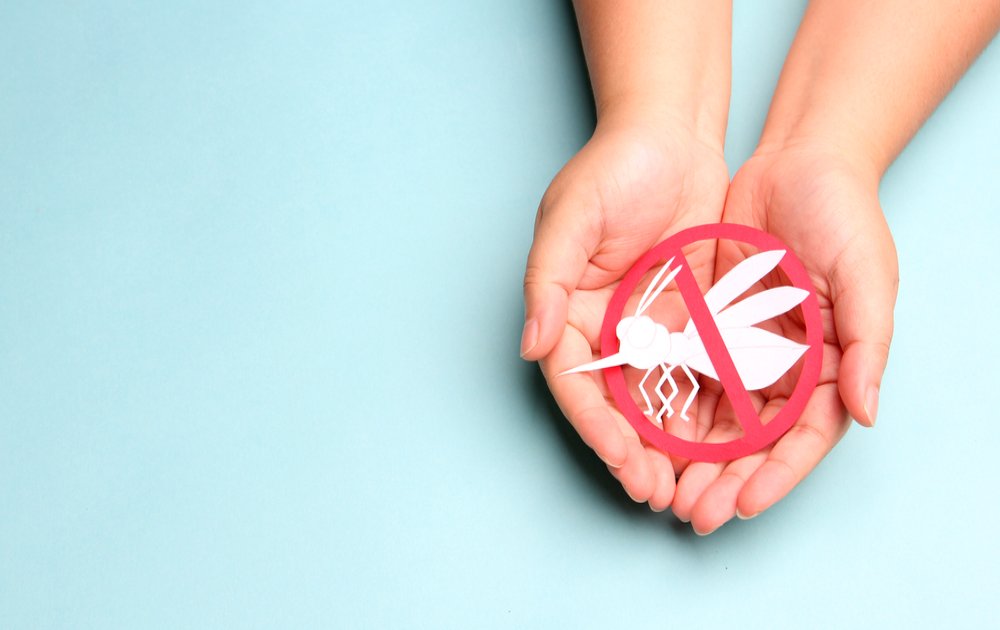
As a part of the life cycle, this species infects female mosquitoes because they are the ones who feed on blood. The protozoan stays in the mosquito saliva and remains contained there until a bite transmits some saliva into the human body.
Once Plasmodium species enter the organism, they infect red blood cells during incubation. Inside red blood cells, they feed off hemoglobin, the main protein in these cells. They continue growing and multiplying until there are too many and the red blood cell is destroyed, releasing the protozoans into the blood.
Along with the protozoans, the infected red blood cells contain many toxic metabolite byproducts. They are the ones that produce some of the most alarming symptoms of malaria. For example, headaches, chills, malaise, and myalgias come and go in a cyclic pattern because that is when red blood cells are destroyed.