Skip to content
5) Chills
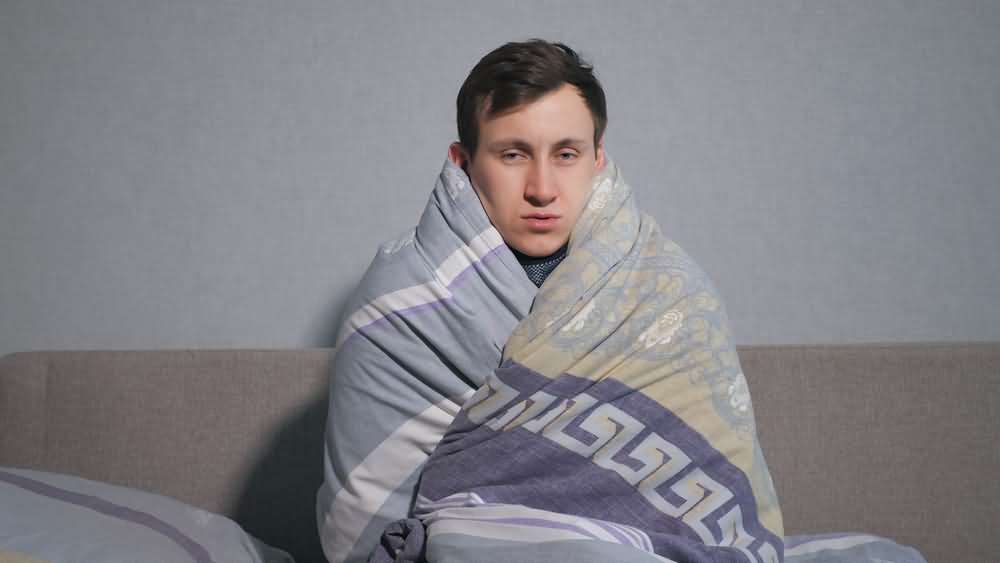
Fever episodes are followed by chills, sweating, and a sensation of low body temperature. It also makes a part of the cyclic nature of malaria. Chills are part of the signals sent out by the brain to increase body temperature as a response to infections. The nervous system activates shaking and jerking muscle movements by sending a false impression that the body is cold to increase body heat.
This usually happens when you are near the threshold of fever. After reaching the threshold, chills are typically replaced by sweating, which is meant to lower body temperature. This also happens in cycles, as described below in the section “paroxysm.”