Skip to content

Chills
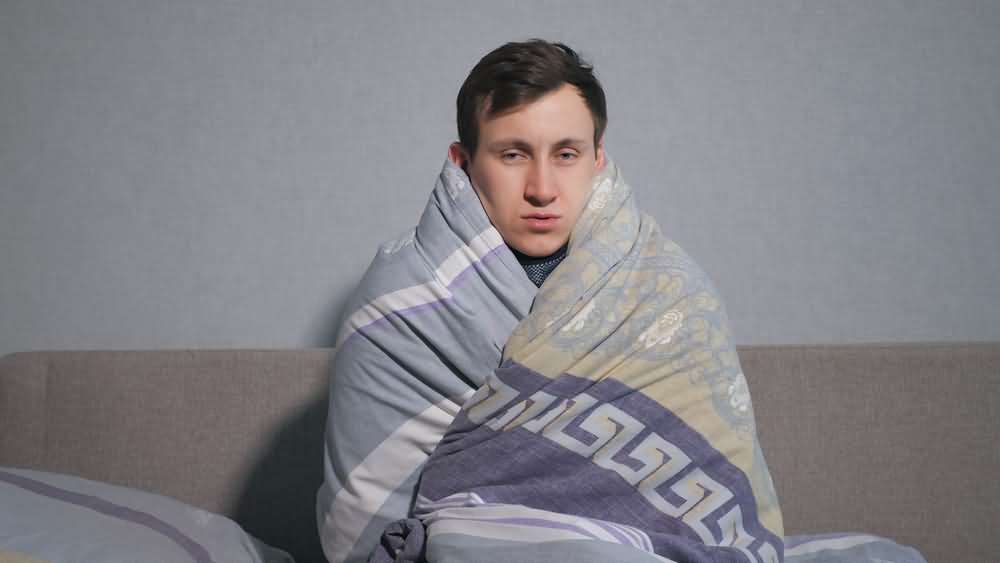
This is a sign that often comes along with fever, and it happens as an attempt of the body to raise body temperature. Different brain centers in charge of regulating body temperature react against inflammatory signaling by modifying the temperature threshold. In other words, these brain centers create an equivocal sign that your temperature is too low, and other parts of the brain send commands to your muscles that trigger shaking and jerking movements to warm up. Sometimes patients may develop very low-temperature fever or no fever at all, but they have enlarged lymph nodes and chills. They should also consider this sign to self-isolate for 24 hours in such cases. During this self-isolation time, they should continue monitoring their body temperature and immediately contact a healthcare provider if a rash or fever develops.