Skip to content

Who is a candidate for paracentesis?
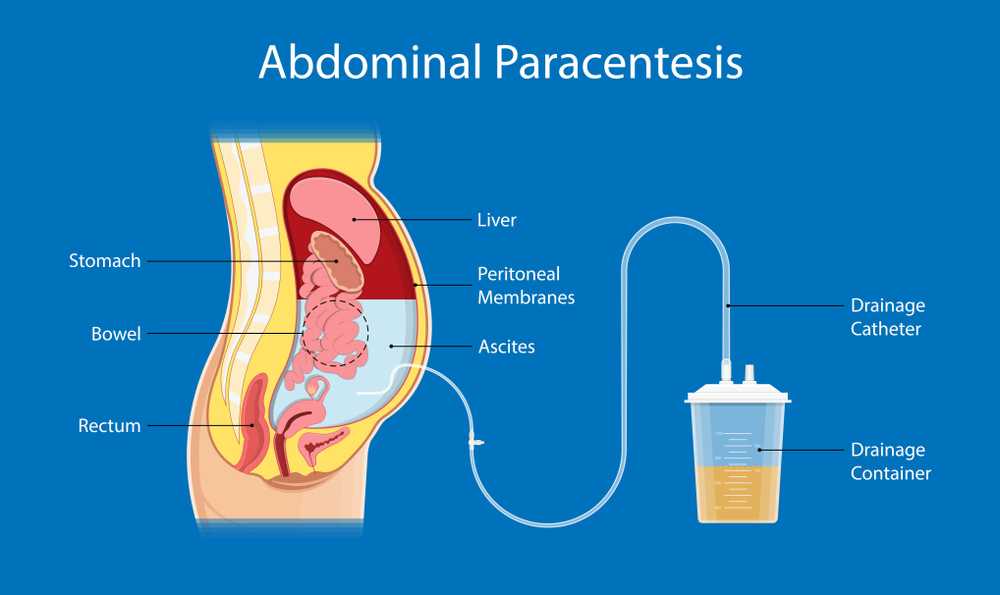
The primary purpose of paracentesis is usually to determine the cause of ascites. In most cases, it will be due to chronic liver disease or a type of cancer in the abdominal cavity. Paracentesis is also valuable for these patients when doctors suspect an abdominal cavity infection. The therapeutic use of this procedure is mainly to relieve dyspnea, anorexia, and abdominal discomfort when the volume of liquid is excessive.
So, the main reasons why doctors would recommend this procedure are dyspnea, anorexia, abdominal discomfort, or the need for a diagnostic tool. So, the main candidates of diagnostic paracentesis include:
Candidates
- Patients with new-onset ascites: It is the first time these patients develop ascites, yet the cause is obscure. It would be the first time they get a paracentesis done.
- Hospitalized patients with ascites: These patients are either critically ill or susceptible to hospital-acquired infections. Paracentesis is required sometimes to detect additional diagnoses that compromise the patient’s health.
- Patients with concomitant fever: When the exact cause of fever is unknown or not responding to therapy, paracentesis is required to detect abdominal infections. It is also useful in patients with leukocytosis (an increase in white blood cells). Around 10-30% of patients with ascites and cirrhosis may also have ascitic fluid infections.
- Deteriorating liver function: When the liver continues deteriorating despite medical care, paracentesis might be helpful to determine an additional cause of disease. The same happens in patients with unexplained encephalopathy, which could be caused by liver disease.
- Renal failure: In these cases, the composition of ascites fluid might reveal the type of renal failure and help doctors guide their treatment.
Sometimes paracentesis is required if abdominal fluid accumulates right after abdominal surgery. This would help doctors find out the cause of this sudden accumulation, including an infection. Even without surgery, patients can have a severe abdominal infection called peritonitis. This is known as spontaneous bacterial peritonitis and usually results from the translocation of bacteria from the intestines into the blood and directly into the abdominal cavity. This only happens in patients with impaired immunity and critically ill and hospitalized individuals.