
Pharmacokinetics
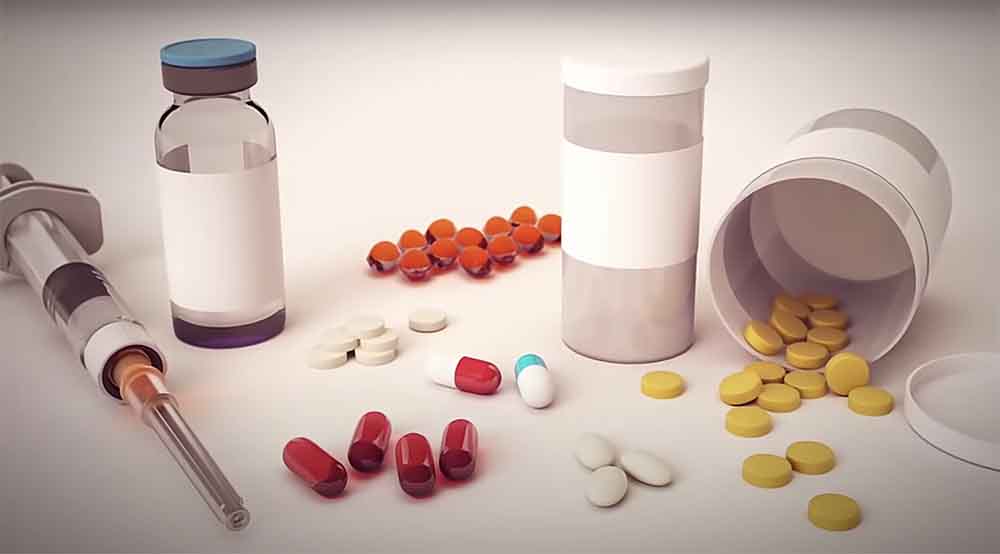
The bioavailability of Paracetamol is 88% which means the drug is readily absorbed through the GI tract. This is why Paracetamol is prepared in various oral dosage forms and is widely accepted because all of them show a very fine clinical response. The absorption of the drug from the gastrointestinal tract into the bloodstream takes place within 90 minutes of ingesting the tablet.
The peak levels of Paracetamol are achieved rather gradually. It takes 3 hours to reach the maximum effective concentration in the body if the drug is administered rectally through suppositories. The effect then starts to diminish slowly and lasts only for four to six hours. The peak concentrations vary a lot through rectal administration, so more frequent doses are required. This is why the oral supply of Paracetamol is preferred over rectal administration.
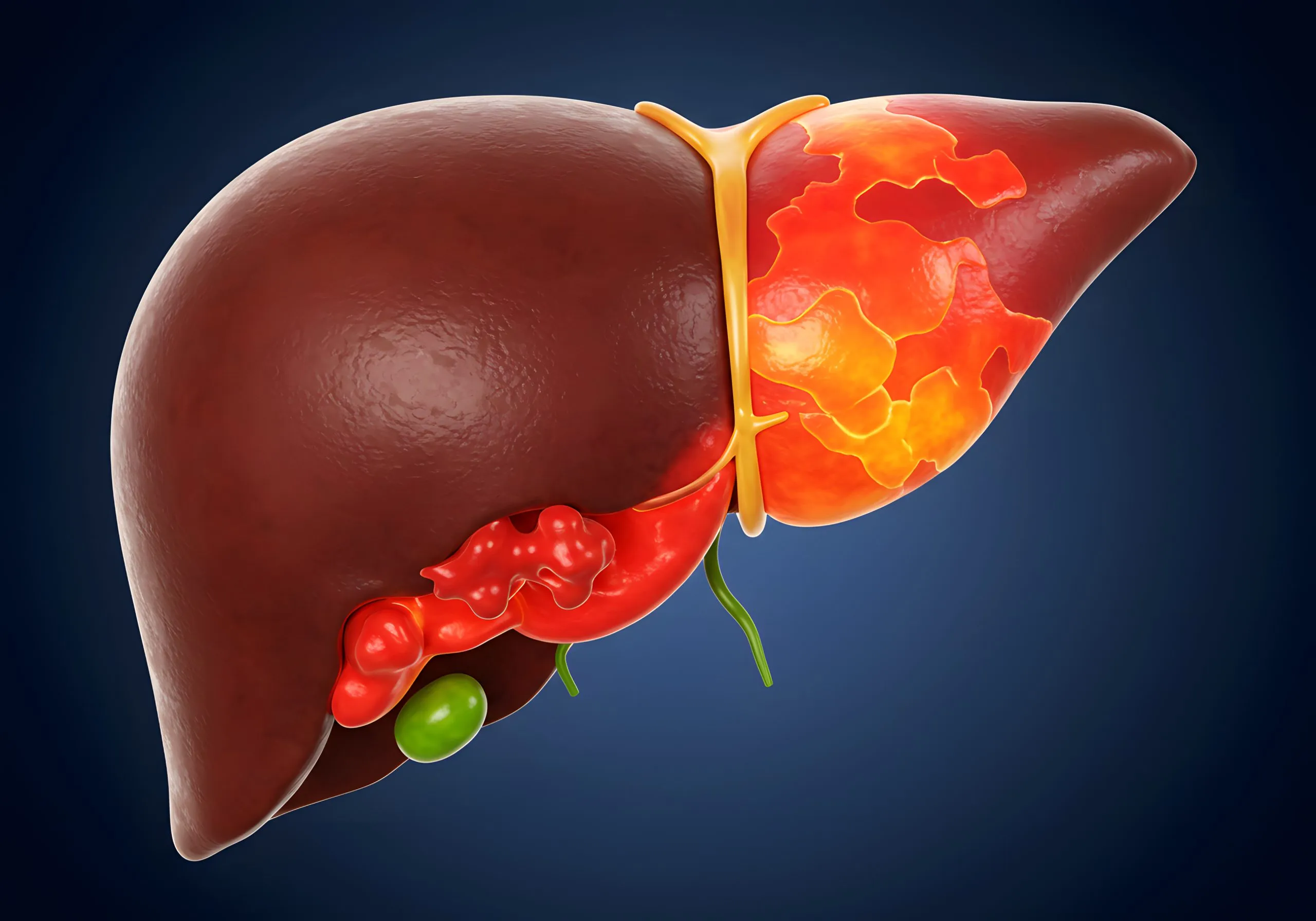
The drug’s distribution volume is 0.9ml/kg, and the drug is 10% to 20% bound to the red blood cells, and another 10% to 25% of it binds with plasma proteins, limiting the distribution of the drug to some extent. The metabolism of Paracetamol takes through one of the CYP isozymes, CYP2E1. The first metabolite that is formed through the process of metabolism is NAPQI. Another method of metabolism is its simple glucuronidation and sulfation.
The metabolites formed after conjugation become more hydrophilic and are excreted through the kidneys. The other metabolite called NAPQI is eliminated from the body through feces because the transformation of the molecule occurs in the liver. Less than 5% of Paracetamol is excreted through urine, while the remaining 95% is eliminated through feces within 24 hours.