Skip to content

The safety profile of paracetamol

Paracetamol is one of the few drugs that has a vast safety profile. It is eligible for use during pregnancy and lactation. There are no reports of adverse effects associated with acetaminophen for necessary pain management with Paracetamol. The fetus’s health remains unaffected, and the quality of health is improved in the mother at the same time.
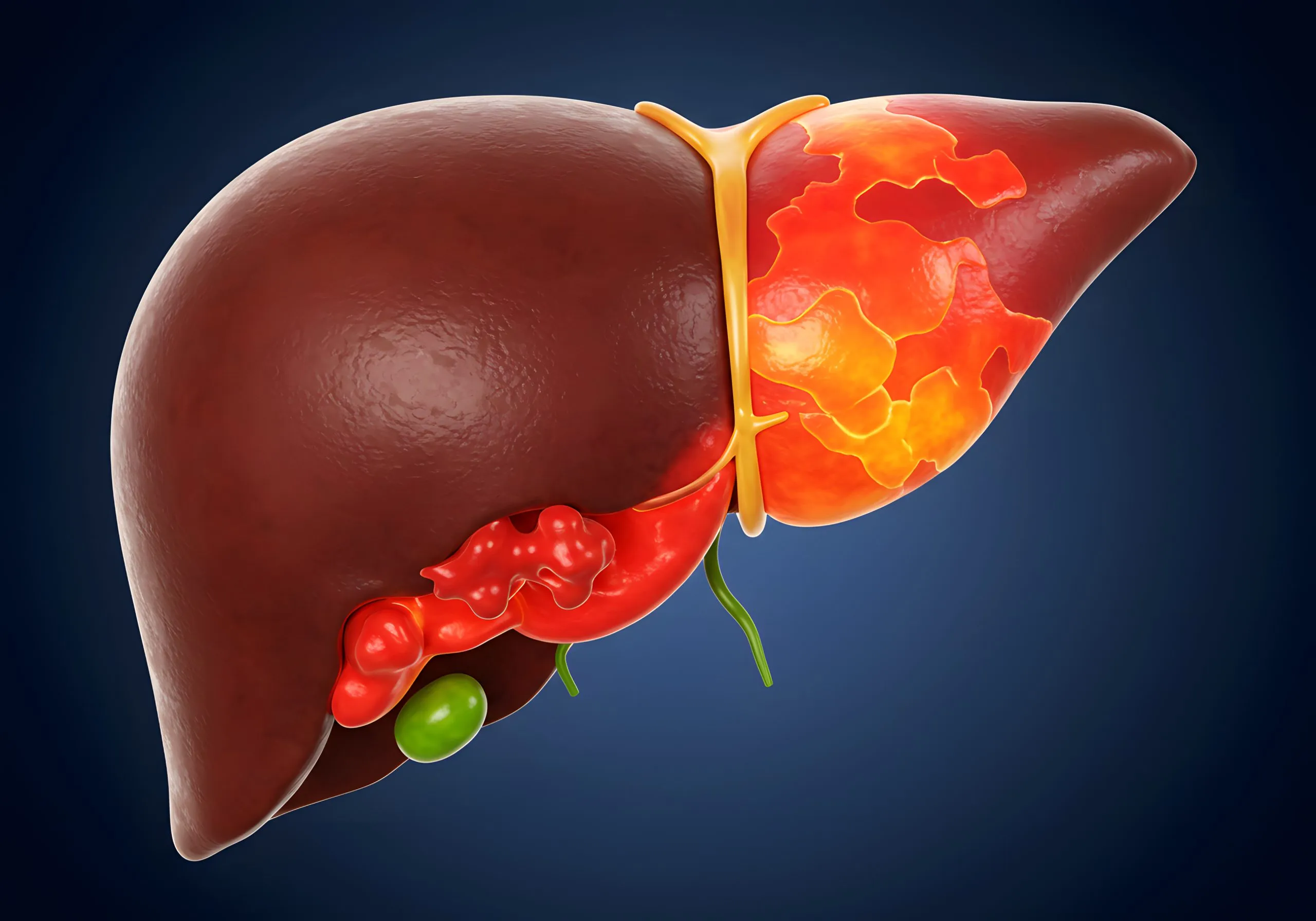
It is important to note that although Paracetamol is safe, its overdose is still another problem. The cases of paracetamol overdose are increasing because of its easy availability over the counter. The symptoms of paracetamol overdose are nausea, vomiting, diarrhea, abdominal pain, skin rashes, yellowish eyes, and pale skin (jaundice-like symptoms). The reaction to overdose is usually observed within the first 24 hours, and the patient should be brought into clinical settings as soon as possible. The decontamination of the GI tract by charcoal activity and the use of antidote is important in the paracetamol overdose, which can be provided at a hospital or clinical only.
References
NCBI – Paracetamol-d4. (2007). PubChem.
Acetaminophen: Uses, Interactions, Mechanism of Action | DrugBank Online. (2005). DrugBank.
NCBI – Clinical pharmacokinetics of Paracetamol. (1982, March). PubMed.
Courtney, P. (2002, September 1). Key questions concerning Paracetamol and NSAIDs for osteoarthritis. Annals of the Rheumatic Diseases.
Hyllested, M. (2002, February 1). Comparative effect of Paracetamol, NSAIDs or their combination in postoperative pain management: a qualitative review. Oxford Academic British Journal of Anesthesia.
Carroll, R. (2015, February). Epidemiology, management, and outcome of paracetamol poisoning in an inner-city emergency department.