
Clinical presentation of PBC

All symptoms, signs, and complications of PBC occur due to one of the following causes:
- The bile can’t reach the small intestine and do its functions.
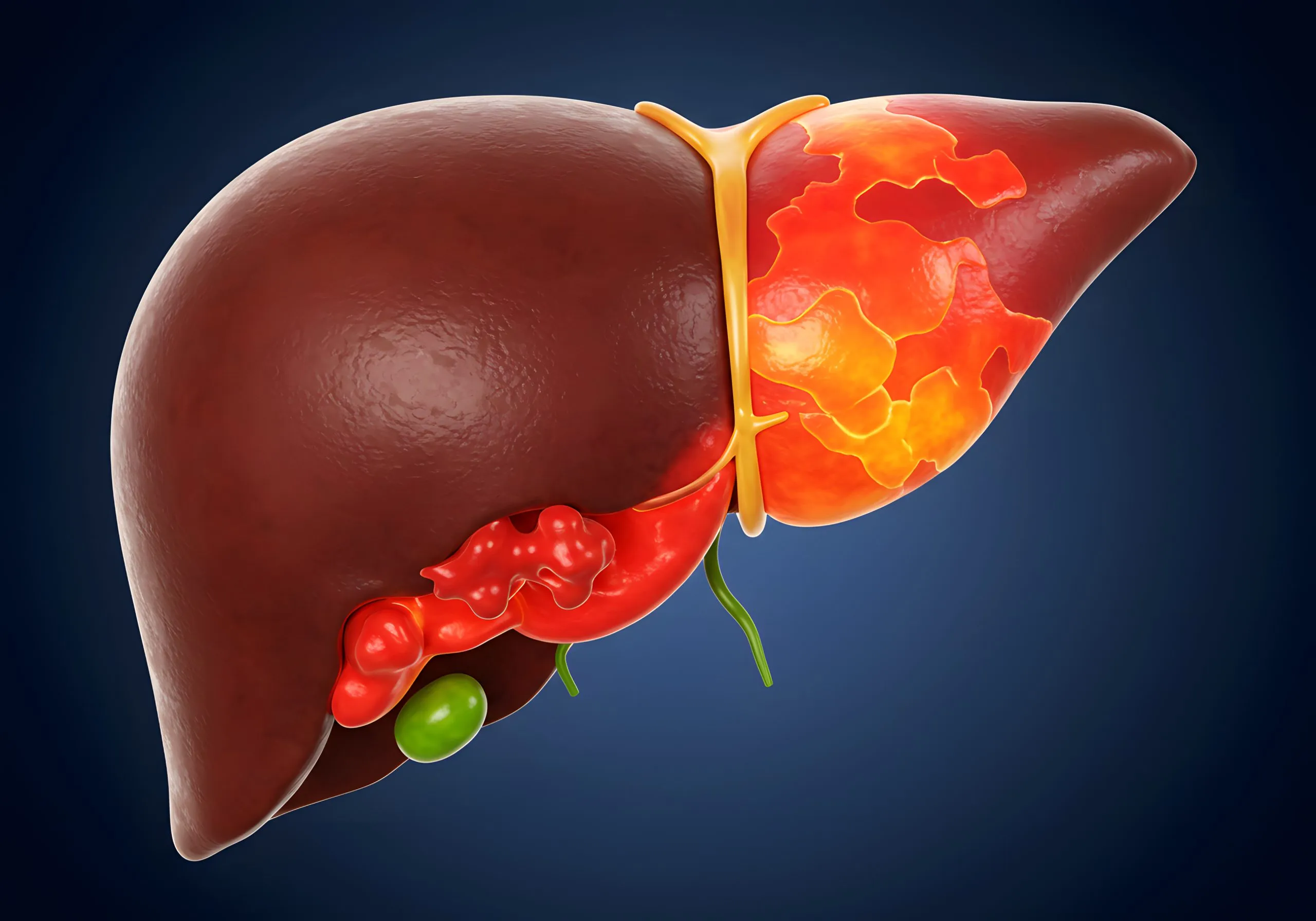
- The bile accumulates in the liver and causes inflammation.
- The liver heals by fibrosis, which causes liver cirrhosis (scarring). Also, extensive liver damage causes liver cell failure.
About 25% of patients are asymptomatic and discover this disease when investigating another problem.
The most common early symptoms include:
- Fatigue (tiredness): It is a chronic nonspecific symptom and ranges from mild to debilitating. About 80% of patients with PBC experience this symptom. It impacts the patient’s quality of life. Its severity doesn’t indicate the progression or stage of the disease.
- Itching: Itchy skin occurs in about 20% of the patients. It ranges from mild to intense and affects the quality of the patient’s life and night sleep. Due to severe itching, the skin may show darkening and discoloration in some areas.
As the disease progresses, other symptoms occur later, and they include:
- Dry mouth and eyes
- Yellow or white bumps under the skin (xanthomas) and eyes (xanthelasmas)
- Jaundice (yellowish discoloration of the skin and sclera)
- Right upper abdominal pain
- Nausea and weight loss
- Musculoskeletal pain (bones, muscle, and joints)
- High cholesterol
- Diarrhea (steatorrhea)
- Fat-soluble vitamins deficiency: Vitamin A deficiency causes night blindness and vision problems, and vitamin D deficiency causes osteoporosis (weak bones liable to fractures). Also, vitamin K deficiency leads to coagulation problems and bleeding tendency.
As the liver damage progresses, complications of liver cell failure and liver cirrhosis occur. These complications include:
- Jaundice deepens.
- Ascites: Enlarged abdomen due to fluid accumulation in the peritoneal cavity
- Lower limb edema
- Enlarged liver and spleen (Hepatosplenomegally)
- Esophageal varices that may cause severe internal bleeding
- Deterioration of mental functions (Hepatic encephalopathy) because the liver can’t do its detoxification function
Patients with PBC may show symptoms of associated other autoimmune diseases, such as thyroid problems and arthritis.