
Diagnosis of PBC

At first, your doctor will hear your complaint. Then, he will take your medical history. He will ask you about other symptoms, their progression over time, previous health problems, and family history of PBC or other autoimmune diseases.
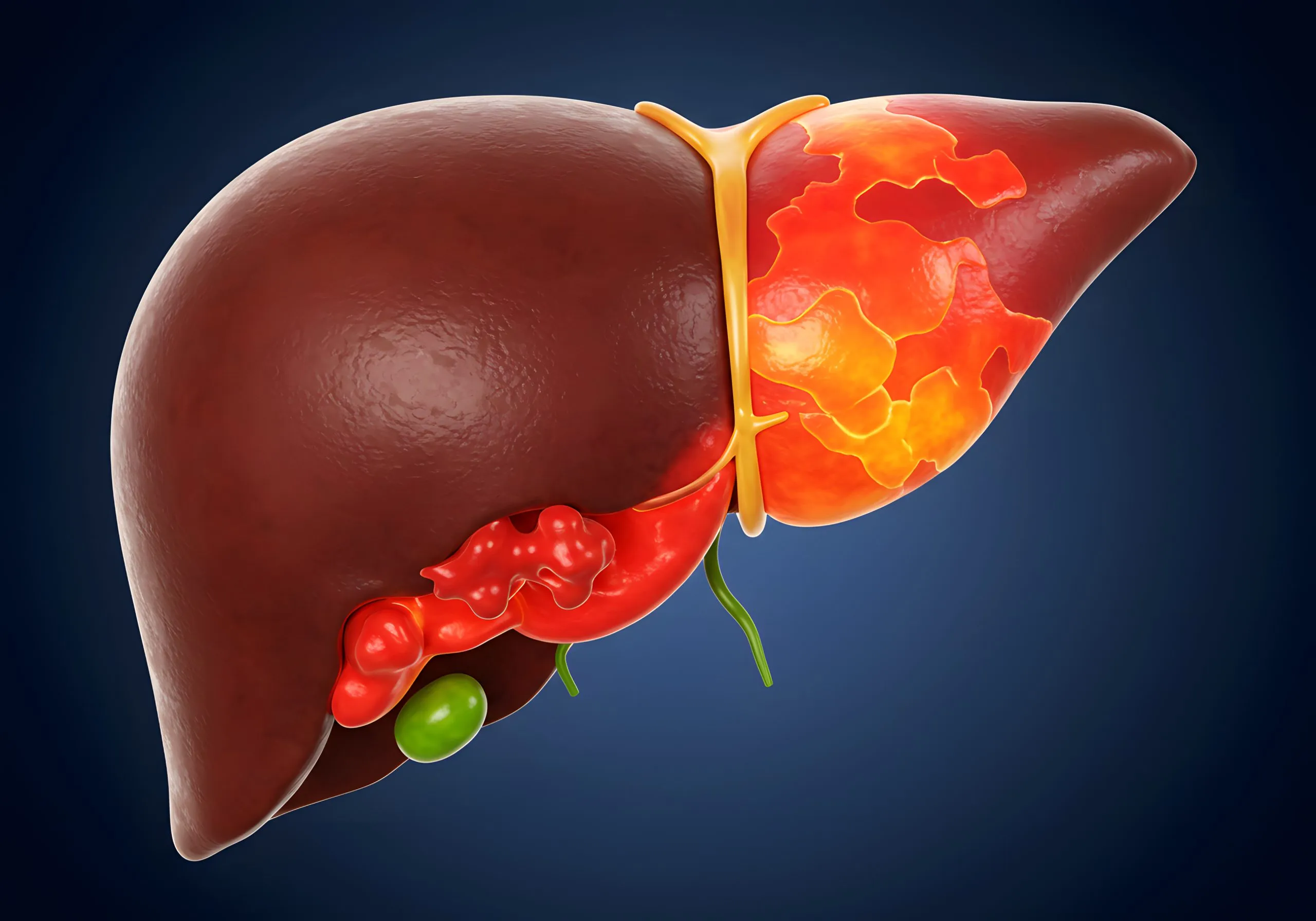
The next step is physical examination. Physical examination reveals the signs of PBC, such as yellow spots and jaundice, and progressive liver damage and cirrhosis, such as enlarged liver and spleen, ascites, and edema.
History and physical examination will suggest that you have a liver problem, which may be PBC. Then, your doctor will order investigations to confirm his initial diagnosis and exclude other possible causes.
These investigations include:
Blood tests
Blood tests include liver function tests that show raised liver enzymes and bilirubin during liver inflammation. The most characteristic raised liver enzyme is alkaline phosphatase. Also, we do blood tests to look for autoantibodies when we suspect autoimmune diseases. In PBC, we find elevated levels of anti-mitochondrial antibodies (AMAs) and IgM. Blood tests also check the blood cholesterol and lipids to consider their elevated levels in the management.
Imaging techniques
Your doctor may use imaging techniques to confirm his diagnosis and exclude other conditions that may block the bile flow from the liver and cause similar symptoms. These techniques include ultrasonography that checks the bile ducts and bile flow. Also, we can use FibroScan that is an ultrasound-like technique and measures liver scarring (cirrhosis).
Liver biopsy
Doctors do this procedure to confirm the diagnosis of PBC and any liver disease. Your doctor will take a sample from the liver tissue for histological examination. Through it, your doctor confirms his diagnosis and determines the disease severity.