Low Appetite Level and Weight Loss

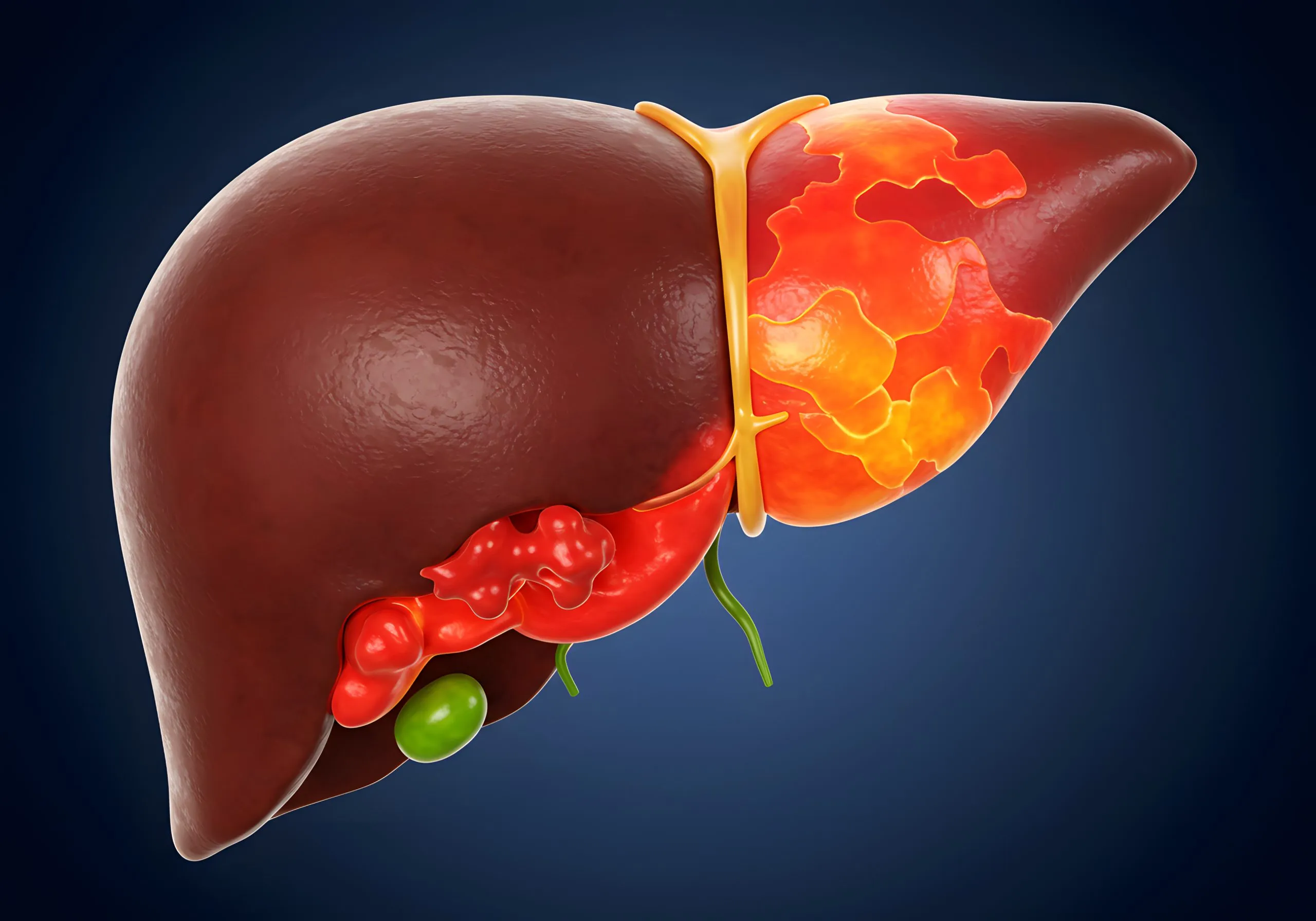
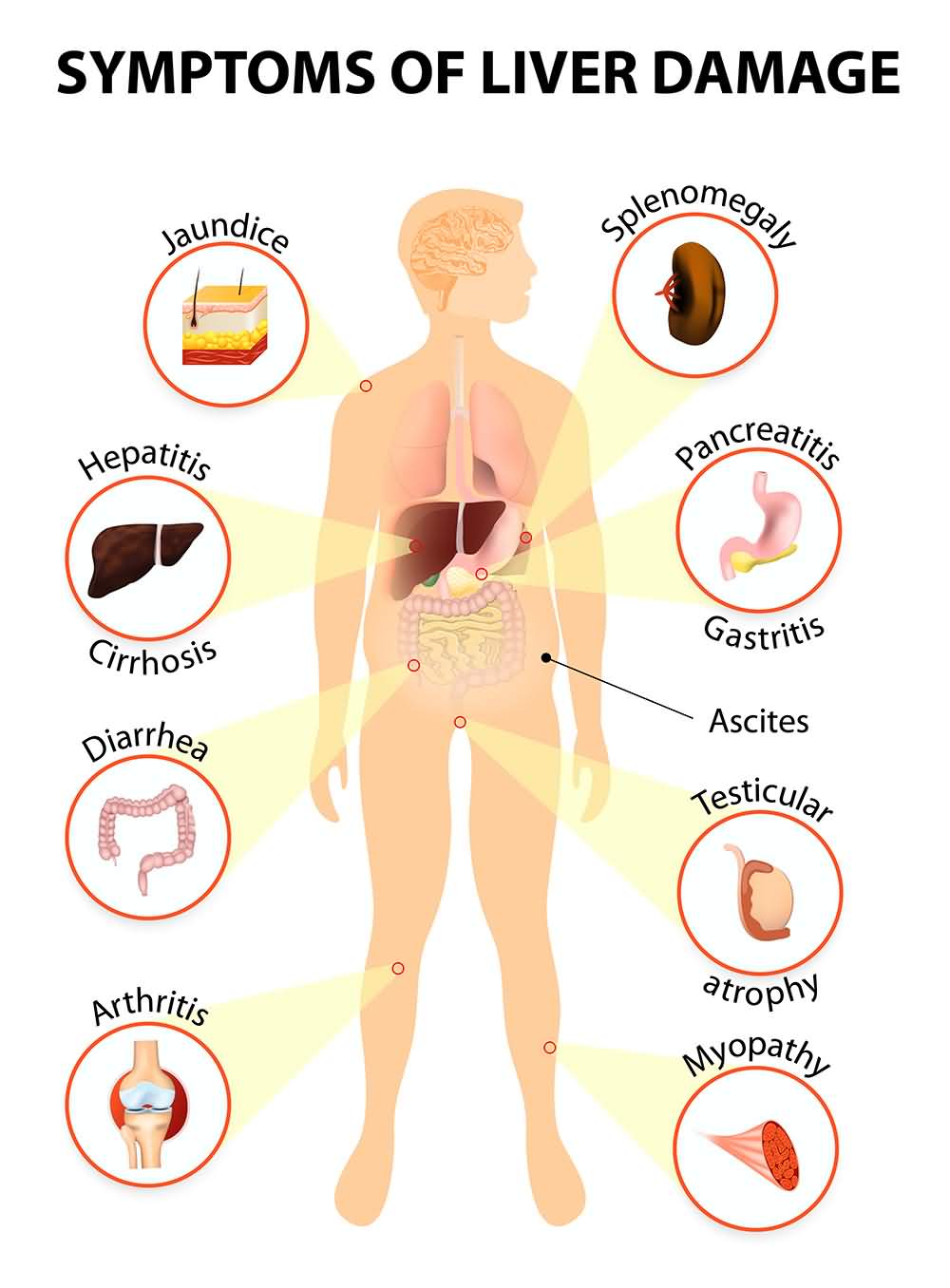
Low appetite, also known as anorexia, can be a symptom of liver damage or liver disease. The liver plays a crucial role in metabolism, digestion, and detoxification in the body. When the liver is damaged or not functioning properly, it can lead to a range of symptoms, including a decreased appetite. However, it’s important to note that low appetite alone is not specific to liver damage and can be caused by various other factors as well. If you’re experiencing this symptom, it’s recommended to consult a medical professional for proper evaluation and diagnosis.
In the context of liver damage or liver disease, here are some reasons why low appetite might occur:
Metabolic Disturbances: The liver is involved in the regulation of various metabolic processes, including the processing of nutrients from the digestive system. When the liver is damaged, it might not properly process nutrients, leading to a disruption in appetite-regulating signals in the body.
Toxin Buildup: One of the liver’s key functions is detoxification. When the liver is damaged, it might struggle to effectively remove toxins from the blood. The accumulation of toxins can impact the body’s overall well-being and appetite.
Inflammation: Liver damage, especially due to conditions like hepatitis or fatty liver disease, can lead to inflammation. Inflammation can affect the normal functioning of the liver and impact appetite-regulating mechanisms.
Digestive Issues: Liver damage can lead to problems with bile production and secretion, which are essential for digestion. Bile helps break down fats and aids in the absorption of nutrients. Digestive issues can contribute to a reduced desire to eat.
Energy Imbalance: Liver damage can disrupt the body’s energy balance and metabolism, potentially leading to feelings of fatigue and loss of appetite.
It’s important to monitor your health and seek medical attention if you experience persistent low appetite, especially if it’s accompanied by other symptoms such as:
Unexplained weight loss
Fatigue or weakness
Jaundice (yellowing of the skin and eyes)
Abdominal pain or discomfort
Dark urine or pale stools
Swelling in the abdomen or legs
Your healthcare provider can conduct the necessary tests to determine the underlying cause of your symptoms and recommend appropriate treatment or management strategies. If liver damage is identified, early intervention and proper medical care are essential to prevent further complications.