Skip to content
Jaundice
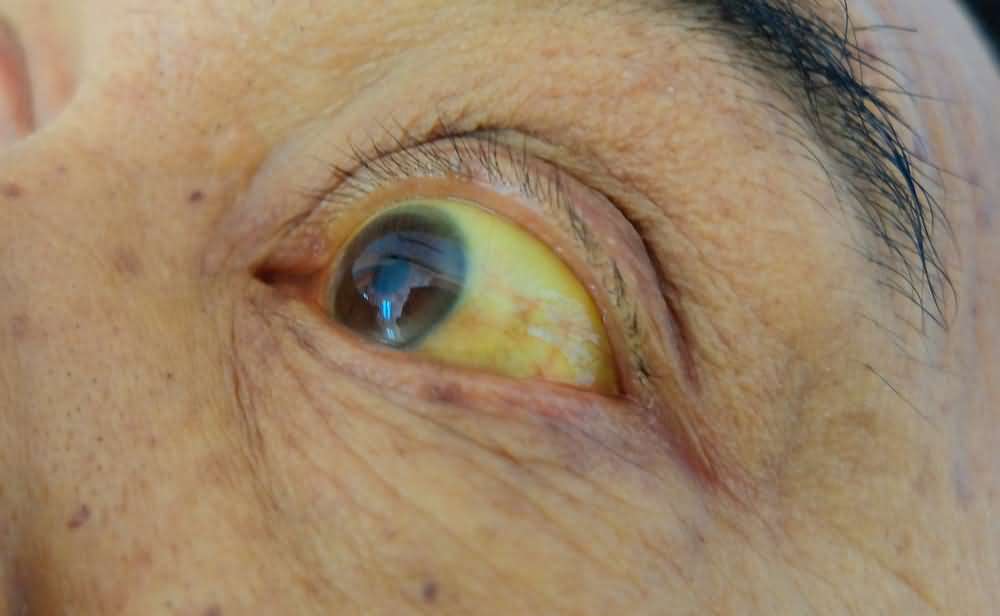
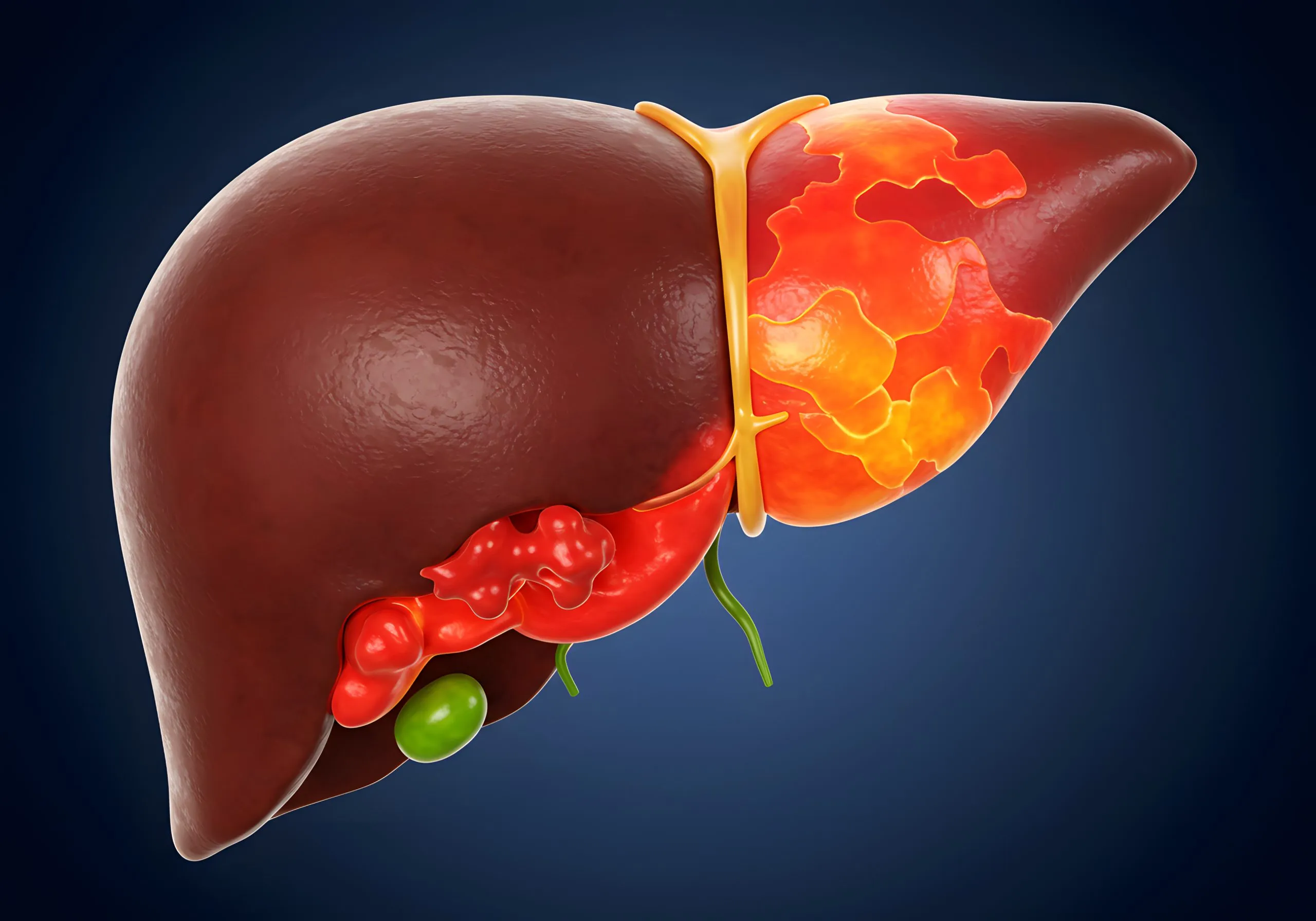
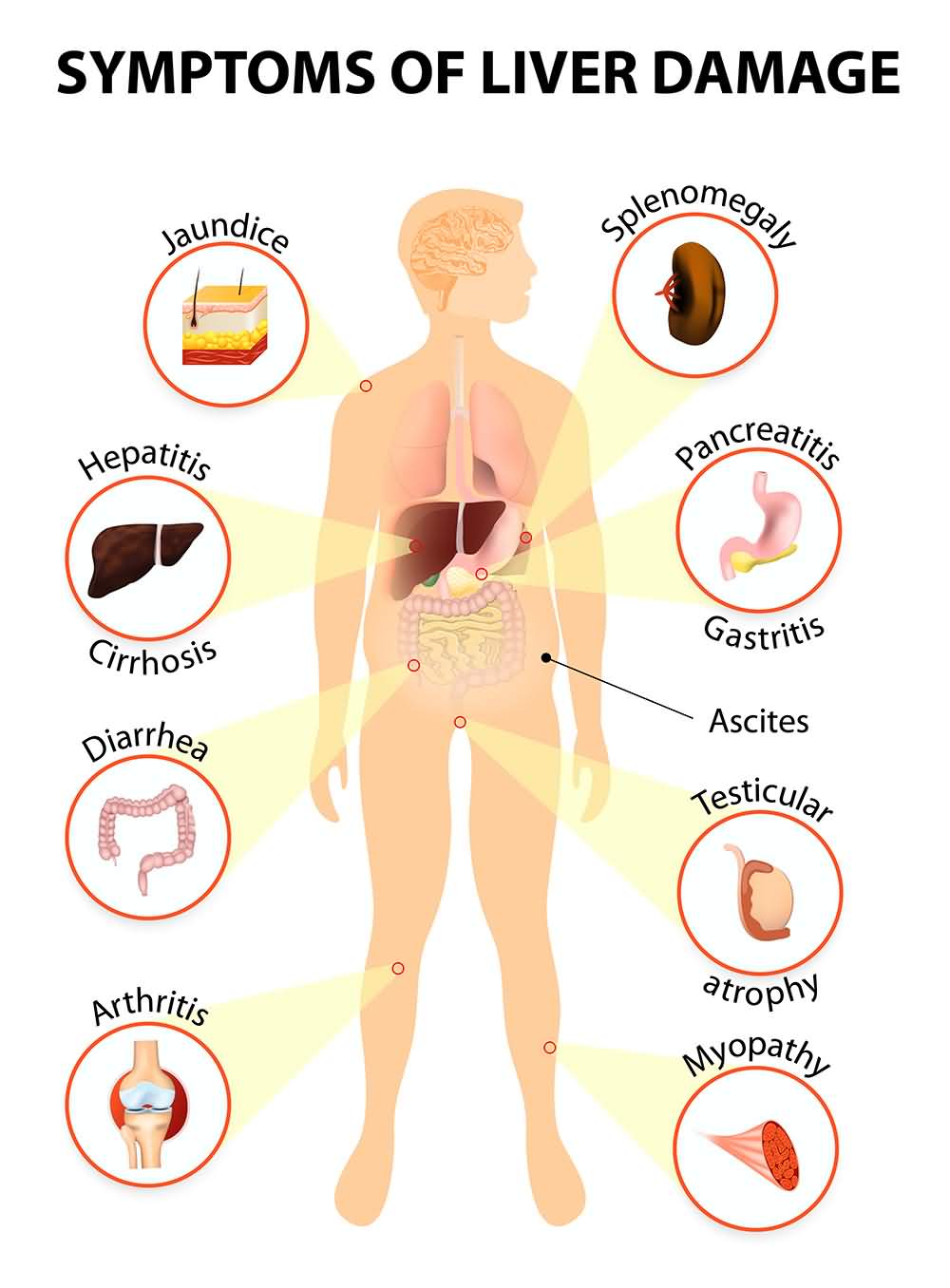
Jaundice is a medical condition characterized by the yellowing of the skin, eyes, and mucous membranes. It occurs when there is an excess of bilirubin, a yellow pigment that is produced during the normal breakdown of red blood cells, in the bloodstream. Jaundice can be a sign of liver damage or dysfunction, as the liver plays a crucial role in processing bilirubin and removing it from the body. Here are some signs of liver damage that might be associated with jaundice:
Yellowing of the Skin and Eyes: The most noticeable sign of jaundice is the yellowing of the skin and the whites of the eyes. This occurs when excess bilirubin builds up in the bloodstream and is deposited in the tissues.
Dark Urine: Liver damage can lead to the presence of bilirubin in the urine, causing it to appear darker in color. This is often described as “tea-colored” or “cola-colored.”
Pale Stools: On the other hand, stools can become pale or clay-colored due to reduced bilirubin reaching the intestines. Bilirubin gives stool its normal brown color, so a lack of it can cause stools to appear light.
Fatigue and Weakness: Liver damage can affect the liver’s ability to store and release glucose (sugar) for energy. This can lead to feelings of fatigue, weakness, and overall reduced energy levels.
Abdominal Pain or Discomfort: Liver damage, particularly from conditions like hepatitis or cirrhosis, can lead to inflammation and swelling of the liver. This can cause pain or discomfort in the upper right abdomen.
Swelling (Edema) and Ascites: In advanced cases of liver damage, fluid can accumulate in the abdominal cavity, causing swelling known as ascites. Swelling can also occur in the legs and ankles due to impaired liver function and changes in blood flow.
Easy Bruising and Bleeding: The liver produces proteins necessary for blood clotting. Liver damage can lead to a decrease in these clotting proteins, resulting in easy bruising and bleeding.
Nausea and Vomiting: Liver damage can lead to changes in digestion and metabolism, causing symptoms like nausea, vomiting, and loss of appetite.
Spider Angiomas and Palmar Erythema: These are visible changes in the blood vessels of the skin that can occur due to changes in blood flow associated with liver damage.
It’s important to note that jaundice and signs of liver damage can be caused by various conditions, including viral hepatitis, alcoholic liver disease, non-alcoholic fatty liver disease, autoimmune liver diseases, and more. If you or someone you know is experiencing jaundice or symptoms of liver damage, it’s crucial to seek medical attention promptly. A healthcare provider can conduct tests, such as blood tests, imaging, and possibly a liver biopsy, to determine the underlying cause and recommend appropriate treatment. Early detection and intervention can improve outcomes and prevent further liver damage.