Diagnosis

The diagnosis of Amebiasis can be made using a number of tools and techniques; however, they differ in their accuracy. These include:
- Direct Microscopy: The organisms can be diagnosed by assessing them under direct microscopy, using rectal swabs or stool samples. However, this may not always be effective, and the organism is seen in 30% of the patients.
- Antigen Detection: The detection of the disease-causing antigen can be detected using techniques like ELISA and Polymerase Chain Reaction.
- Specimen Cultures: Specimens of the fecal content or the rectal biopsy can be evaluated by conducting a culture. However, these are not always positive and are found to have a success rate of 60%.
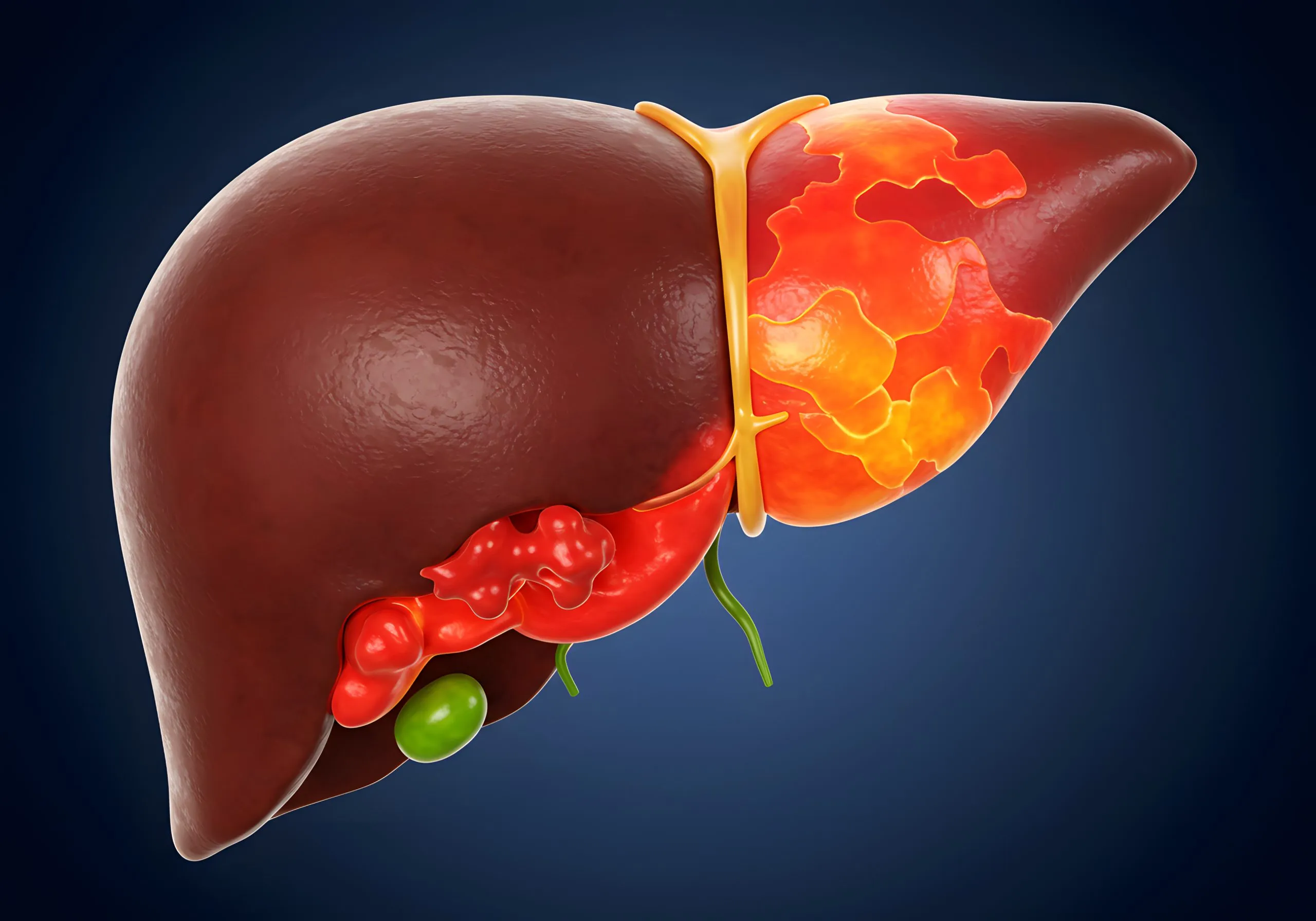
- Aspiration of Liver: Diagnosis of Amebiasis can also be fine using Liver aspiration, which is done by using a CT-guided imaging technique. However, this diagnosis method is only used when the abscess is very large in size or if there is a risk of its rupture.