Skip to content
Symptoms of Bile Duct Disease

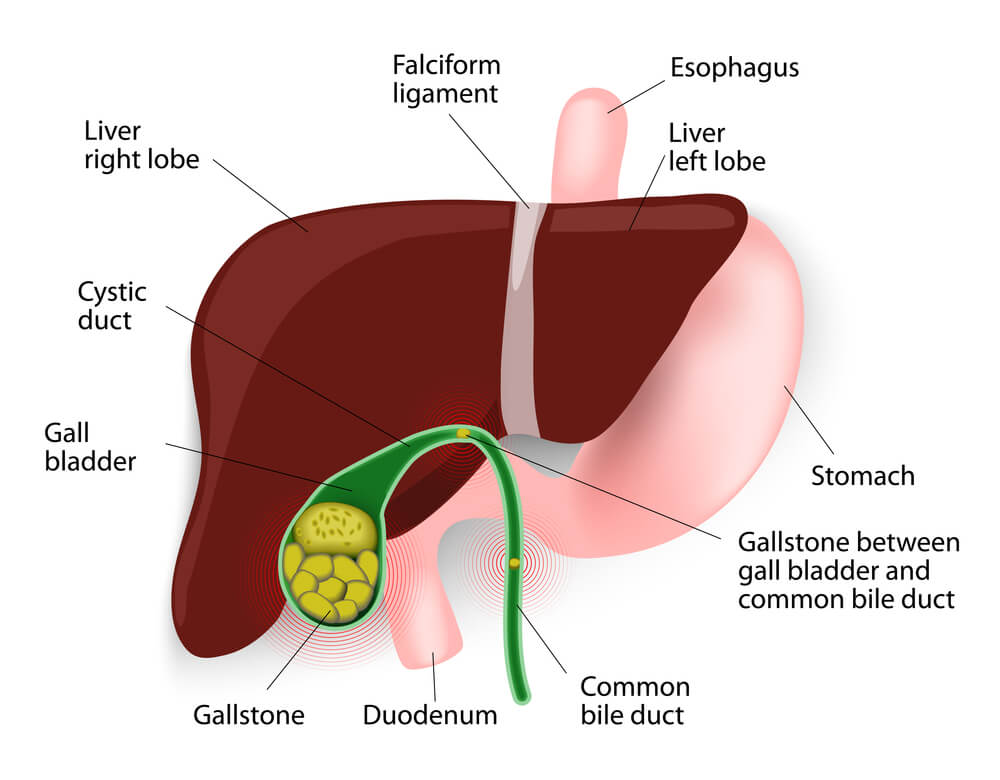
- Obstructive jaundice: Obstructive jaundice is the common end point of all causes of obstruction of the common bile duct. It results when bile can no longer be excreted into the small intestines, causing the regurgitation of bile into the blood. This causes the yellowish discoloration of the whites of the eyes (the sclera) and the skin. It can be severe enough that the whole body appears greenish yellow.
- Change of the color of urine and stools: Urine can become dark in color when bilirubin, which is a key component of bile, is excreted through it. This occurs along with obstructive jaundice. Stools, on the other hand, appear pale in color due to the absence of bilirubin in the intestines.
- Severe itching: When bile regurgitates into the blood, it causes the accumulation of bile salts, which can deposit under the skin and cause severe itching. In many cases, patients complain of most of the itching which is more severe at night that it can cause chronic insomnia.
- Easy bruising: Bile helps in the absorption of fats, and one of the key components of fats is fat-soluble vitamins. Fat-soluble vitamins are vitamins A, D, E and K. Vitamin K helps the blood coagulate when there is injury, stopping the bleeding. When it is deficient, even a minor injury or bump can cause severe bleeding and bruising.