Skip to content
How Are Conditions of the Bile Duct Diagnosed?

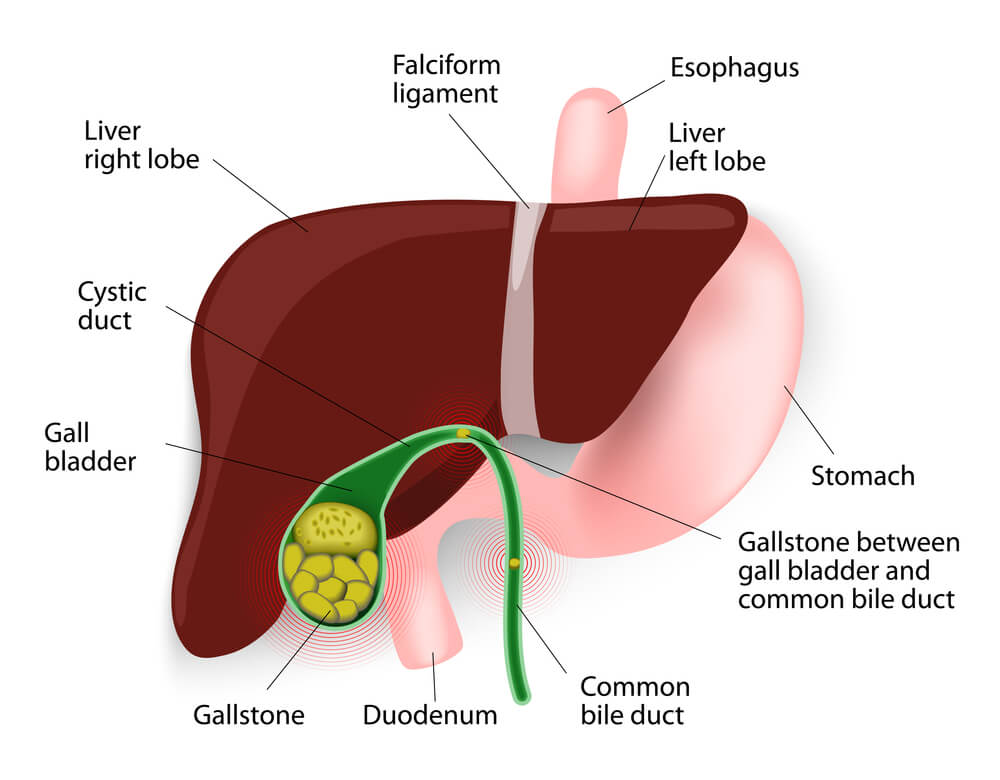
As mentioned above, several diseases can cause problems in the bile ducts, and they need investigations to differentiate them from other conditions and to differentiate between them. The most commonly done laboratory investigations include:
- Liver function tests: There is a tight relationship between biliary diseases and worsening of liver functions, and liver enzymes can still rise if the common bile duct is inflamed or obstructed.
- Alkaline phosphatase and Gamma-glutamyl transferase (ALP and GGT) levels: Both enzymes are specific to the cells of the bile ducts and are elevated when they are inflamed. This is usually found in cases with gall stones and acute inflammation.
- Bilirubin: The bile ducts are the main conduits of bile, and when they are inflamed or obstructed, the level of bilirubin rises. Bilirubin is either direct or indirect, with the direct type being the one flowing through the bile ducts after its processing within liver cells. When the direct bilirubin rises significantly, it means that there is an obstruction at any level within the bile ducts.
- Tumor markers: Tumor markers are special proteins or other substances whose levels are increased when
In addition, various imaging modalities have been used to detect diseases within the bile duct including:
- Ultrasonography: Ultrasound is very accurate in detecting abnormalities of the liver and the gall bladder. It can also help identify obstruction of the bile duct by visualizing the dilatation of other bile ducts that are above it. This is a sure sign of bile duct obstruction.
- ERCP: Endoscopic Retrograde Cholangiopancreatography or simply ERCP is an imaging modality that uses an endoscope -a small tube equipped with a camera- to see the bile duct and the whole biliary system using a special dye that is injected into the bile duct. This modality is increasingly being used because it can also be used to remove stones within the common bile duct.
- MRCP: Magnetic Resonance Cholangiopancreatography is another imaging modality that uses magnetic imaging to see the biliary system. It is better than ERCP in most situations since it does not involve the use of an endoscope and the lack of contrast injection, which can cause hypersensitivity and kidney damage.