Skip to content
Modes of transmission

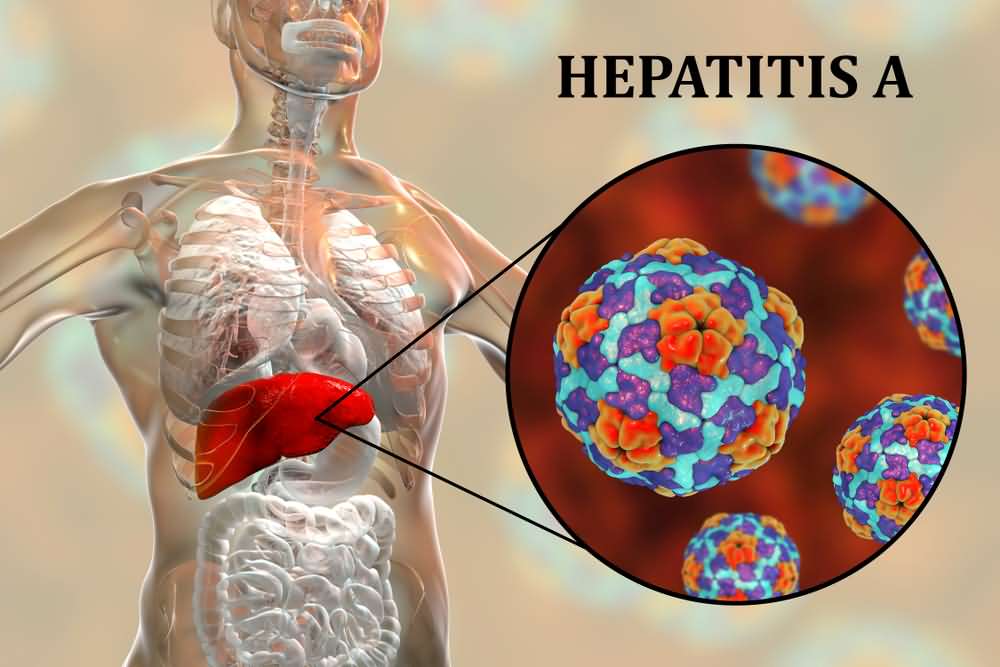
The primary mode of transmission of hepatitis A virus comes from ingestion. It is a fecal-oral transmission, which means that you get infected by ingesting food or water contaminated by fecal material from an infected individual. It sounds very unlikely to have food infected with feces, but even a microscopic portion is enough to pass down the disease. That’s why washing your hands and hygiene in the kitchen are both fundamental measures to prevent the disease.
Person-to-person contact is usually required for the transmission of the disease, and most infected individuals have close contact with a patient with similar symptoms. However, note that the virus’s highest transmission happens when the infected individual does not yet show any signs. This is called anicteric prodrome because the patient does not have a yellowish coloration of the skin or any other alarm sign. This had led to significant outbreaks in the past, as in 2005, when one restaurant became a vehicle of transmission of the disease through contaminated onions that arrived infected and were not properly washed before preparation.
But even though hepatitis A is classically associated with the fecal-oral transmission, there are recorded parenteral transmission cases (through blood contact). It is sporadic, but we do have isolated cases.