
Treatment
Treating jaundice is the treatment of its cause. As long as the cause is unknown, no specific measures exist. Below are examples of the treatment of some of the commonest causes of jaundice:
- Hemolytic anemias are treated according to their cause. For example, autoimmune hemolytic anemias may need steroids or immunosuppressive therapy. Hemolytic anemias from enzyme deficiencies such as Glucose 6 phosphate dehydrogenase do not need specific treatment, only the avoidance of some foods and medications such as fava beans and sulphur-containing antibiotics.
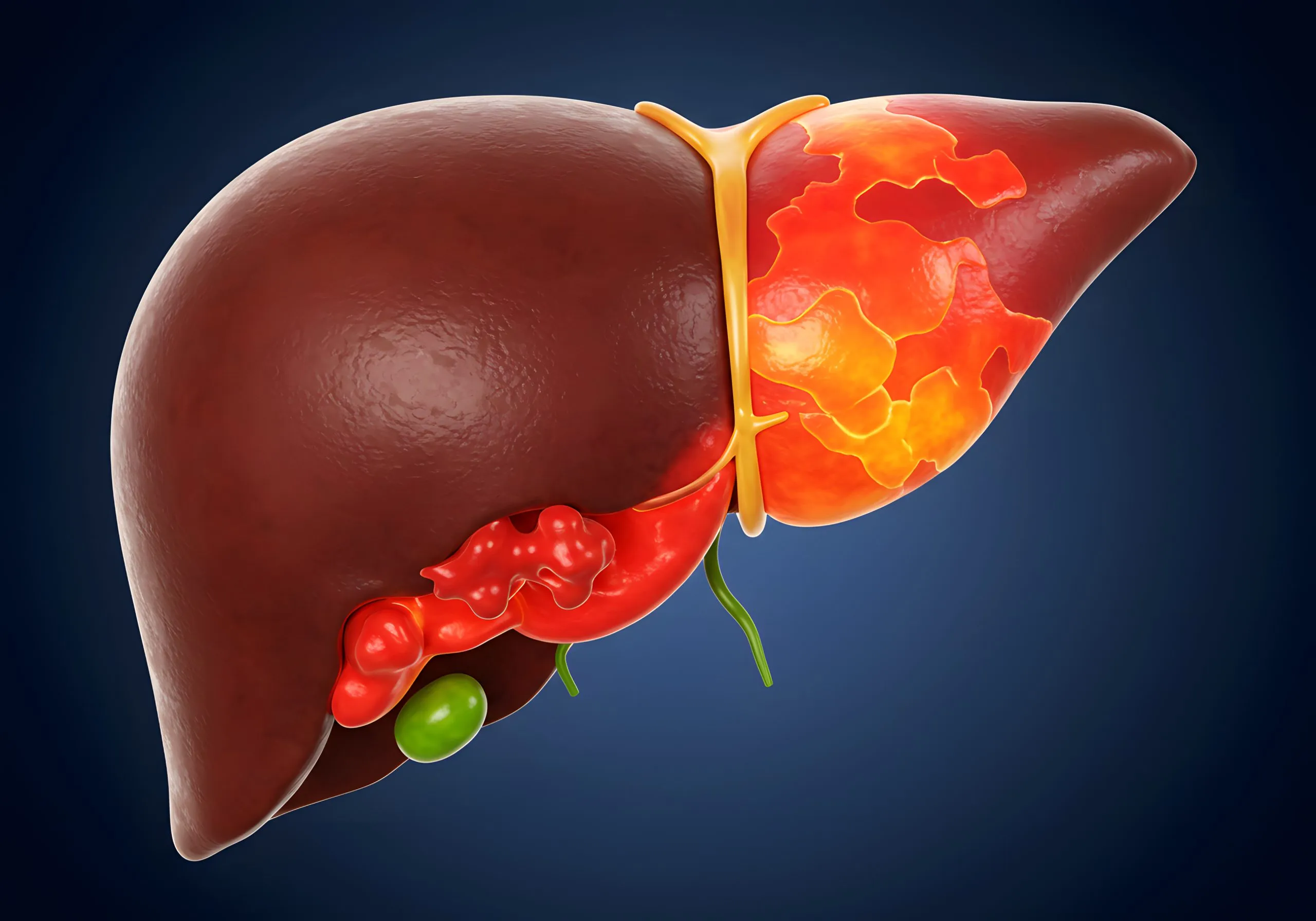
- Acute hepatitis needs only liver-supportive treatment and ceasing fat-rich meals. Then after the inflammation has stopped, the cause is corrected. Viral hepatitis can be treated by specific antiviral medications. Alcoholic hepatitis only needs the cessation of alcohol with some lifestyle modification if there is fatty liver.
- If the cause of hepatitis is autoimmune, steroids and other immunosuppressive medications are needed. If the damage of hepatitis is beyond repair, then liver transplantation becomes the only option.
- Gallstones causing jaundice must be treated surgically. Stones in the common bile duct can be extracted using endoscopy or open surgery may be done to remove the gallbladder and then explore the bile ducts for residual stones.
- Tumors are treated according to their stages. Pancreatic head cancer has a better outcome than the tail as it presents early on by jaundice. In general, tumors that are caught early on can be treated by surgical resection, while those which had spread before their discovery are treated palliatively, with chemotherapy to shrink the tumor and delay or minimize symptoms. Analgesics can also be used.
- Congenital causes of jaundice are treated accordingly. If the cause is mild such as Gilbert syndrome, no treatment is needed and some medications such as phenytoin for a short period of time to control the jaundice. Other more severe causes such as biliary atresia need emergency surgical care.