Skip to content
Life cycle of leptospirosis

The bacteria of Leptospirosis, when it comes in contact with a healthy individual, first of all, find a way to enter the host’s body. The usual methods of entry are open wounds, damaged skin or mucous membranes, lungs, and even conjunctivitis. If your skin is healthy or is wet or swollen, there are no chances of bacterial entry from there. The interesting part is that the bacteria must be enveloped in water or a similar suspension before being transported to the human portal system. That is why urine makes a perfect medium for the transfer of bacteria.
Once it reaches the bloodstream, the bacteria divides and reproduces as many copies as possible according to its doubling time which is 8 minutes. They need an optimum body temperature and metabolism to produce and develop. Usually, they do not cause a major inflammatory reaction, but their survival ultimately depends on the host’s immune response. If the immune response is more robust, the infection might not show any prominent signs and symptoms, and the infection might go away without even being diagnosed. On the other hand, people with low immunity in their bodies allow a better environment for the bacteria to grow rapidly.
The virulent strains rapidly multiply while the body quickly removes the avirulent strains. As a result, the patient’s blood sample usually shows the virulent strains of Leptospira. The division of the bacteria keeps on occurring until the immunity finally conquers the bacteria or the person dies, which is rare.
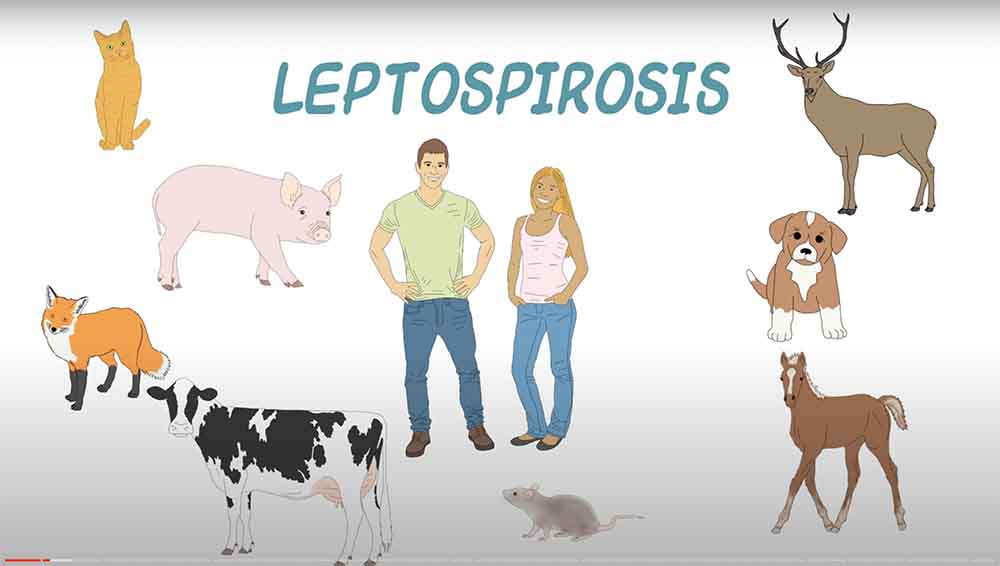
The life cycle of the Leptospira also involves reservoir hosts where the host organism only acts as a carrier, and the symptoms of the disease do not show up. Rats are the primary reservoir hosts in this case. With the method of urinary shedding, the infection is transferred from the carrier to a healthy patient or animal. Humans and pets affected by the disease are non-carrier hosts and are not suitable for the colony growth of leptospira.
The leptospira bacteria can remain alive on non-living surfaces like soil, water, and urine for a long time. They can live for even months without reaching their host’s body. This is one of the reasons why infection is on the rise worldwide.