Skip to content

Risk factors of liver cancer

How do you know you’re at a high risk of developing liver cancer? You could evaluate the following risk factors. The more risk factors you have, the more likely it is to develop this ailment now or in the future.
The most important risk factors include:
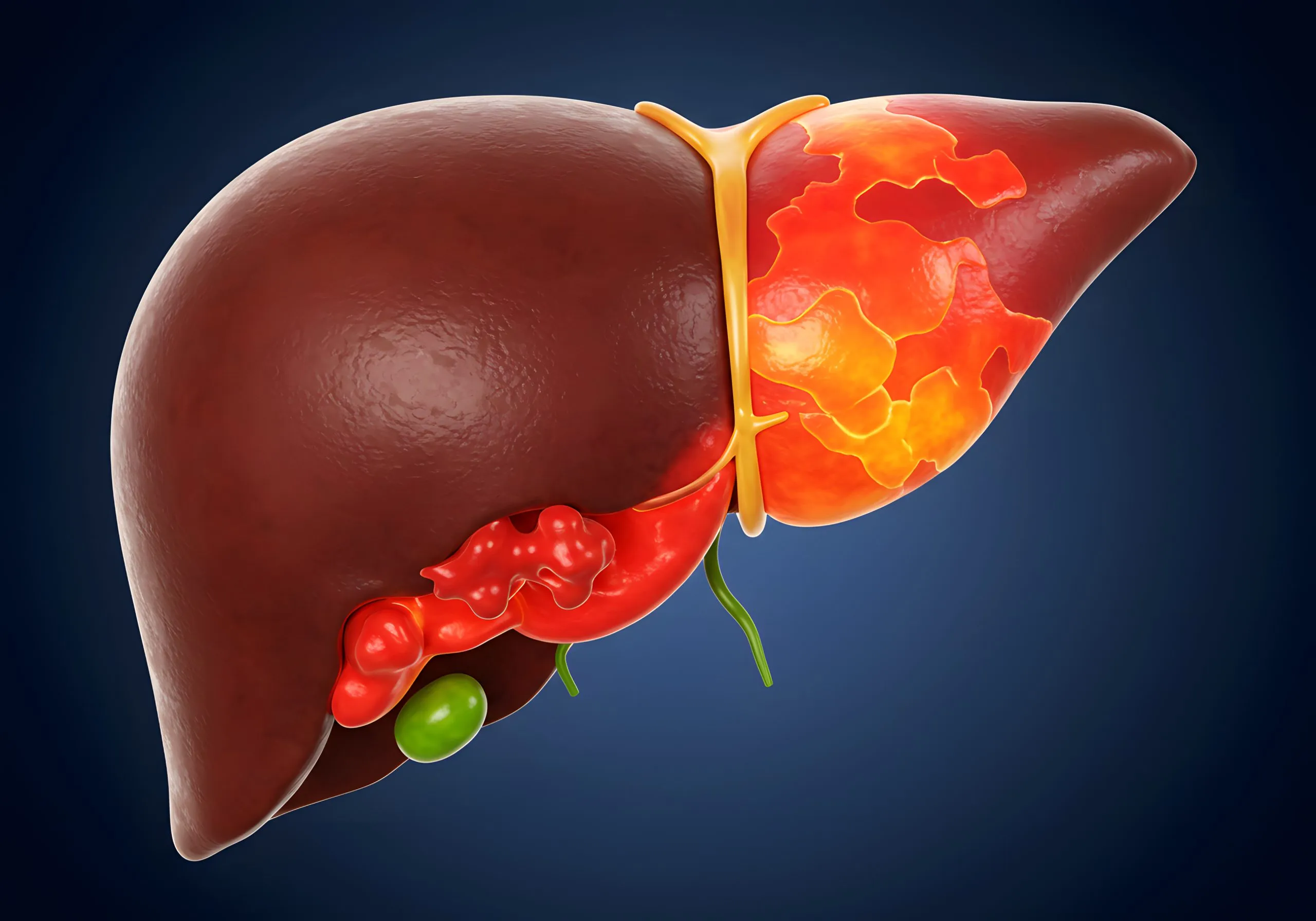
- Cirrhosis: It is a significant risk factor for the development of liver cancer. Up to 80% of patients suffering from this disease already had cirrhosis before the diagnosis. The most common cause of cirrhosis is alcohol abuse, nonalcoholic fatty liver disease, and chronic hepatitis infections.
- Metabolic disease: As noted above, nonalcoholic fatty liver disease is a cause of cirrhosis, and this, in turn, can lead to hepatocellular carcinoma. That’s why obesity and diabetes have been indirectly implicated in the development of liver cancer.
- Heavy alcohol drinking: This is the most widely known risk factor, and it is right on point. Around 30% of liver cancer diagnoses in the United States are associated with heavy alcohol drinking, and 50% of them at least have a history of alcohol abuse in the past. We can define heavy drinking as 89 grams per day or 6 drinks per day, and the risk is higher if this is an ongoing practice for more than 10 years.
- Hepatitis virus infections: Different types of chronic hepatitis lead to inflammation, fibrosis, and cirrhosis. As such, they may also increase the risk of hepatocellular carcinoma. The most common types of hepatitis virus-associated with liver cancer include hepatitis B virus, responsible for up to 20% of hepatocellular carcinoma, and hepatitis C virus, which may have triggered around 30% of cases in the United States.
- Hemochromatosis: This disease features an abnormal accumulation of iron in different organs, causing toxicity due to an overload of this mineral. It is caused by a genetic condition and may speed up the development of liver cancer in patients with cirrhosis as an underlying disease. 30% of death in hemochromatosis patients are caused by liver cancer.
- Aflatoxin: In certain countries, aflatoxin is produced by fungi and contaminates foodstuff. This is particularly common in Southeast Asia and Saharan Africa. When infected by this carcinogen, they lead to DNA damage. If you live in endemic areas and have been exposed to aflatoxin, your p53 tumor suppressor gene could be mutated and damaged.
- Other risk factors: Additionally, you should consider other risk factors such as older age, a family history of liver cancer, and male gender.