Skip to content
Causes of Molluscum Contagiosum Virus
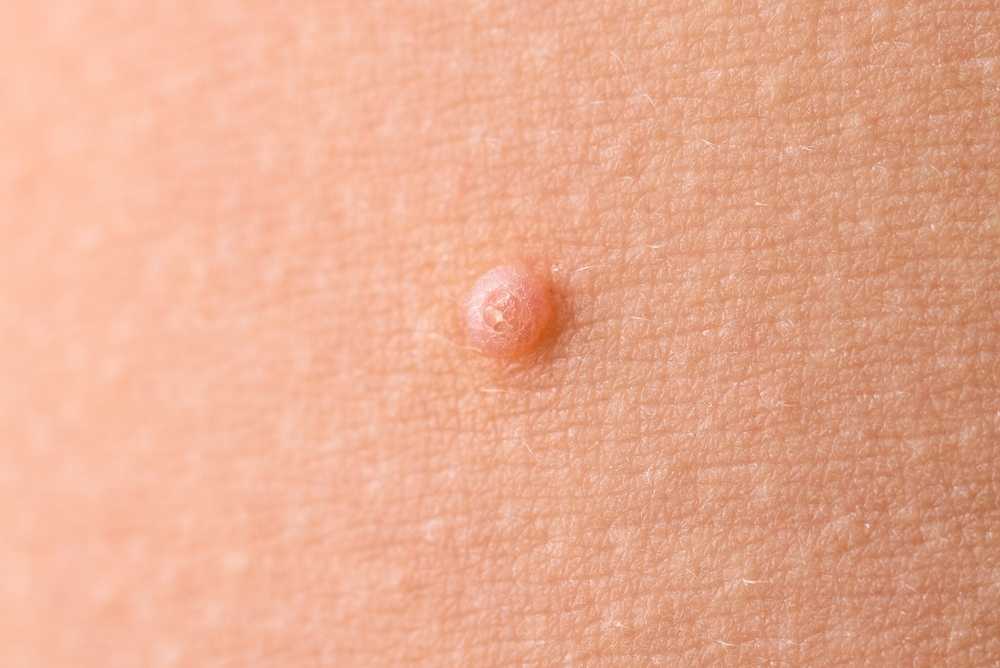
Molluscum contagiosum virus can spread through person-to-person physical contact, using contaminated or infected objects like wrestling gloves, yoga mats, and sharing toiletries such as towels, shaving tools, bathing sponges, or clothing with an affected person. When an affected person uses any stuff or touches any surface, the virus stays there and can be transmitted to anyone who touches that surface later. In children aged 1-10, this virus can spread by simple playing.
For adults, the widespread cause of this virus transmission is sexual contact. However, this is not the only cause; contact sports such as wrestling, football, or other games where skin-to-skin contact is possible can also transfer this virus. Another common cause might be public swimming pools. Researchers presented that the chlorinated water of pools might not be a transmitter of the virus but shared toiletries around the pool could be a reason. Although research is still in progress to find satisfactory results about whether the virus is transferred only by contact with the surface of the bump or by breaking and contact with waxy substance present inside the bump.
One might transfer the virus from one part of the body to another by touching, scratching, or shaving a bump and then touching another part of the body. This is called autoinoculation. As these lesions are on the epidermis (the upper layer of skin) thus, they do not get transmitted to others by sneezing and coughing. Once the bump disappears, the virus is gone. It does not sleep and come back like other viruses like herpes.
Risk Factors

Molluscum contagiosum virus is most common in children of age 1 to 10. Molluscum contagiosum can affect people of any age, although the following factors raise the risk of infection:
- The person affected by cancer has a weak immune system and is likely to catch the virus earlier than normal persons.
- People are affected by any other disease that has weakened their immune system, such as HIV, Hepatitis, etc.
- People who have undergone an organ transplant.
- People with breaks in skin due to atopic dermatitis or any other reason are more likely to get the Molluscum contagiosum virus and spread it to other parts of the body easily.
- People who live in warm, humid, tropical climates.
- People who live in crowded areas.
- People who participate in more skin-to-skin games like wrestling, football, etc.
Molluscum contagiosum has been very common, especially in the United States, since the mid 60’s. Although the bumps typically go away on their own with time and don’t require any therapy, it is occasionally necessary to administer a mild course of action.