Skip to content

Treatment of ascites
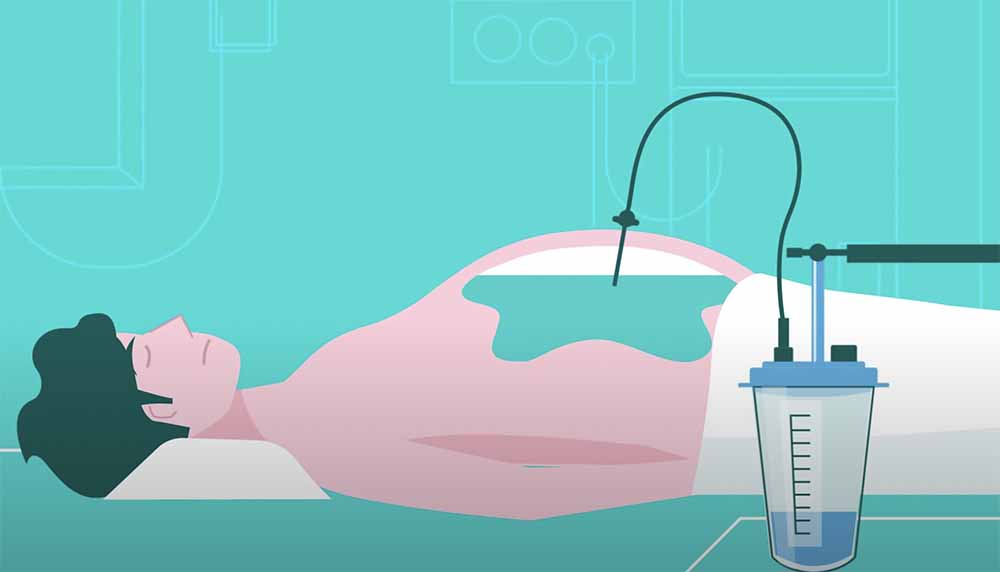
Ascites is not itself life-threatening, but it can cause multiple complications including renal failure and infection. If you have ascites, you will need specific investigations including kidney functions and ascitic tap to detect the presence of infection. If infection is suspected or found, your doctor will start you on antibiotics, but otherwise, the main treatment of ascites is the use of diuretics. Diuretics are specific medications that help the kidneys excrete excess water in urine. The two most commonly used diuretics are spironolactone and furosemide.
Undergoing paracentesis is another option. Large-volume paracentesis or LVP is an option where all the ascitic fluid is drained to decrease the load on the kidneys. It can be beneficial in resistant cases to diuretics, but it has some complications including worsening of brain disease of liver cirrhosis. Liver transplantation is also the ideal treatment in those cases and can reverse ascites in late stages if the patient is eligible.