Skip to content
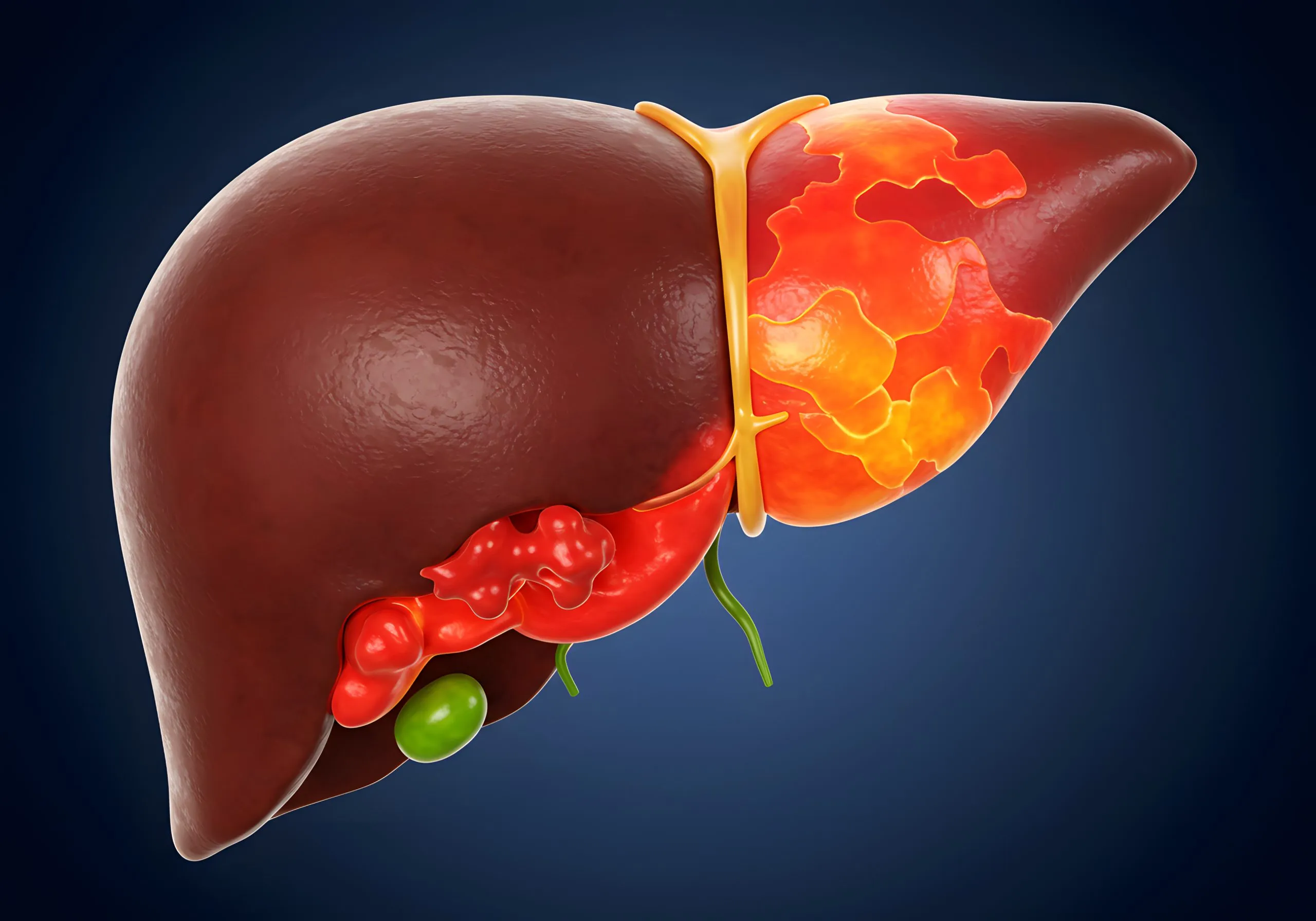
Hepatocellular carcinoma (HCC), commonly referred to as primary liver cancer, is a cancer that originates in the main cells of the liver, known as hepatocytes. In many cases, this disease develops gradually and without noticeable symptoms, especially in its early stages. Because of this, liver cancer is often diagnosed later in the course of the disease.
Although early symptoms may be absent, research has identified several well-established risk factors that help determine which individuals are at higher risk. Chronic infection with hepatitis B or hepatitis C virus is one of the most significant contributors to the development of hepatocellular carcinoma. For this reason, vaccination against hepatitis B and appropriate treatment of chronic viral hepatitis are key strategies in reducing the global burden of liver cancer.
In addition to public health efforts, individual awareness and preventive care play an important role. Understanding risk factors, recognizing when medical evaluation is appropriate, and participating in regular monitoring if you are at increased risk can help support earlier detection.
In this article, we will explain how liver cancer may present at different stages of the disease and what signs and changes to watch for over time.
Early Stage of Liver Cancer
During the early stage of hepatocellular carcinoma, most people do not experience specific or obvious symptoms. As a result, the most common early finding is:
-
No noticeable symptoms
This is why screening and monitoring are especially important for individuals with known risk factors. Mayo Clinic. Liver cancer (hepatocellular carcinoma)., World Health Organization. Hepatitis and liver cancer.

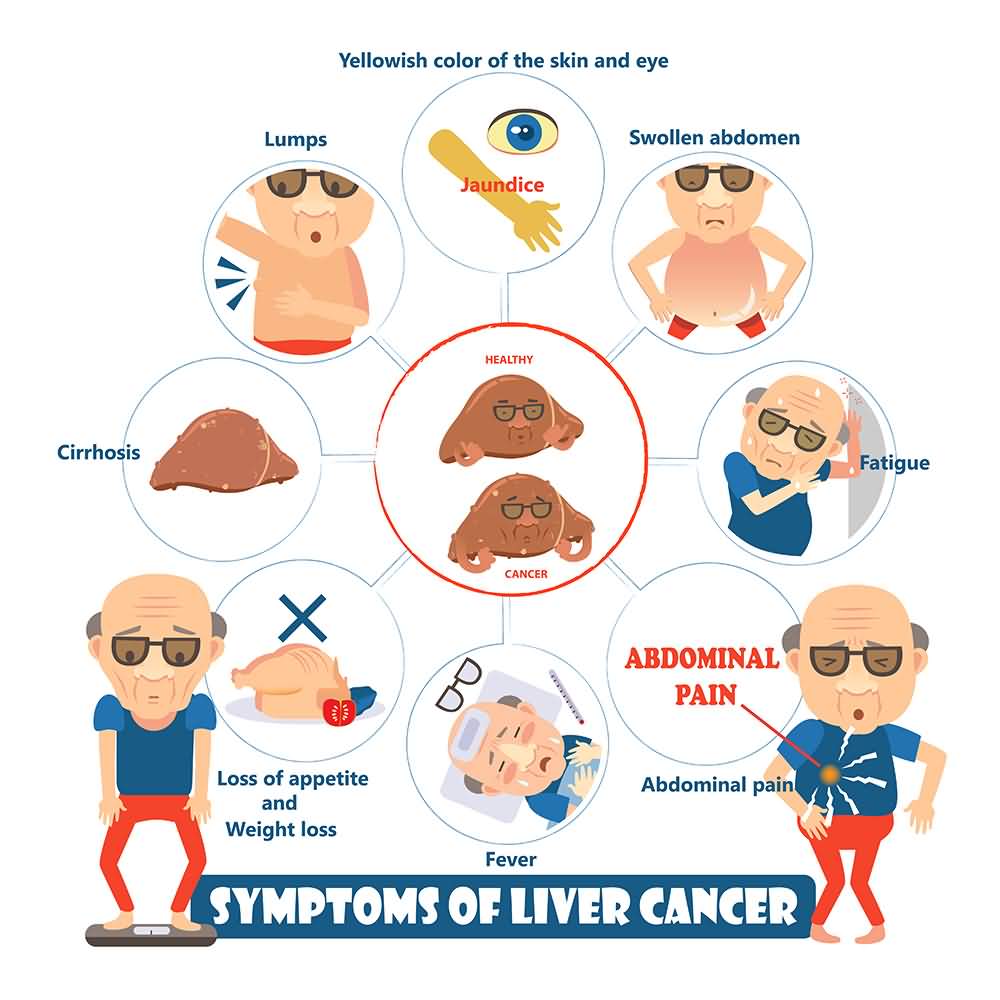
This initial stage features progressive growth of the tumor. If the tumor is not causing any obstruction, it may not trigger any symptoms at all. If the patient has developed liver cancer without another comorbidity such as cirrhosis or hepatitis, he may feel entirely healthy for many months. During this stage, patients may experience unspecific symptoms such as tiredness and abdominal discomfort. However, they are not as intense to become a cause of concern.