Skip to content
Treatment of Giardiasis

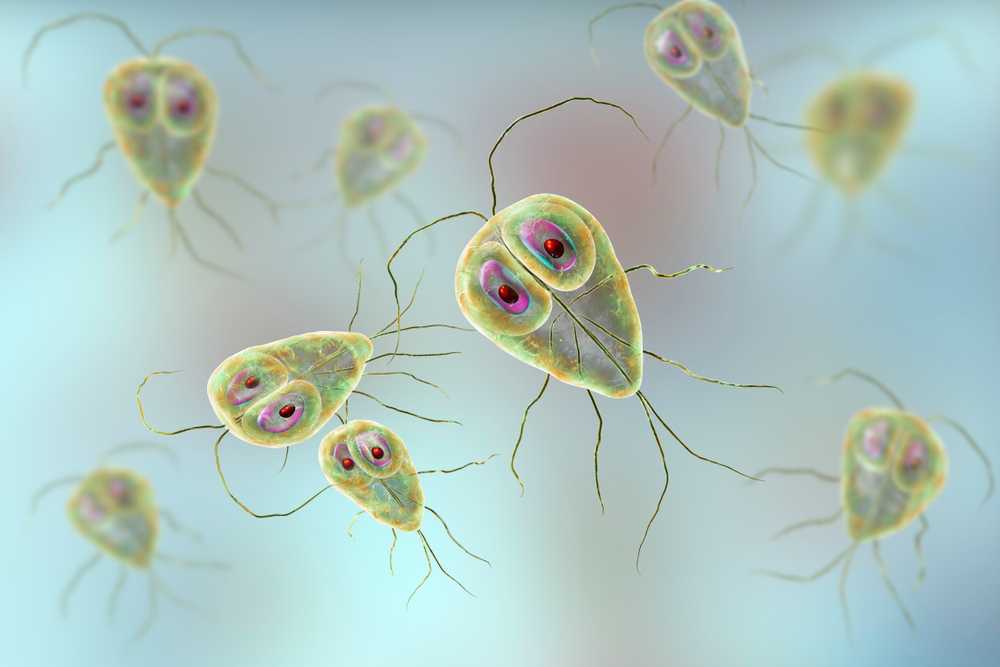
Treatment of giardiasis focuses on improving the general condition of the patient as well as eradicating the parasite. Improving the condition is especially needed in children, who are at risk of dehydration from diarrhea. To prevent dehydration, make sure that you take enough fluids after every attack of diarrhea.
Eating fresh vegetables can also help reduce the severity of diarrhea. In infants and young children, a special formula called oral rehydration solution is beneficial to help replace the fluids and salts lost in diarrhea. It should be given after every attack.
Not all patients with giardiasis in their stools need treatment, and it is only needed when symptoms are present, especially in children. The main medications used in its treatment include:
- Metronidazole: Metronidazole is the most effective antibiotic in giardia. Another similar medication to metronidazole is tinidazole.
- Nitazoxanide: It is also an effective treatment for giardiasis and may be given in addition to metronidazole.
- Antispasmodics: Some medications that decrease spasms can be used in the treatment of diarrhea, especially those associated with abdominal pain. It is not recommended to use any anti-diarrhea medication such as loperamide in infections, as it can damage the colon severely if the bacterial infection is present. Doctors do not fear diarrhea, they only avoid and treat dehydration. Diarrhea remains a good elimination mechanism of most infectious diseases of the gastrointestinal tract.
Not all types of diarrheas need antibiotics, and the overuse of antibiotics in diarrhea can also damage the colon through the destruction of its useful bacteria. When the bacteria within the colon are destroyed, other harmful bacteria called clostridium difficile flourishes, paradoxically causing severe diarrhea called pseudomembranous colitis.